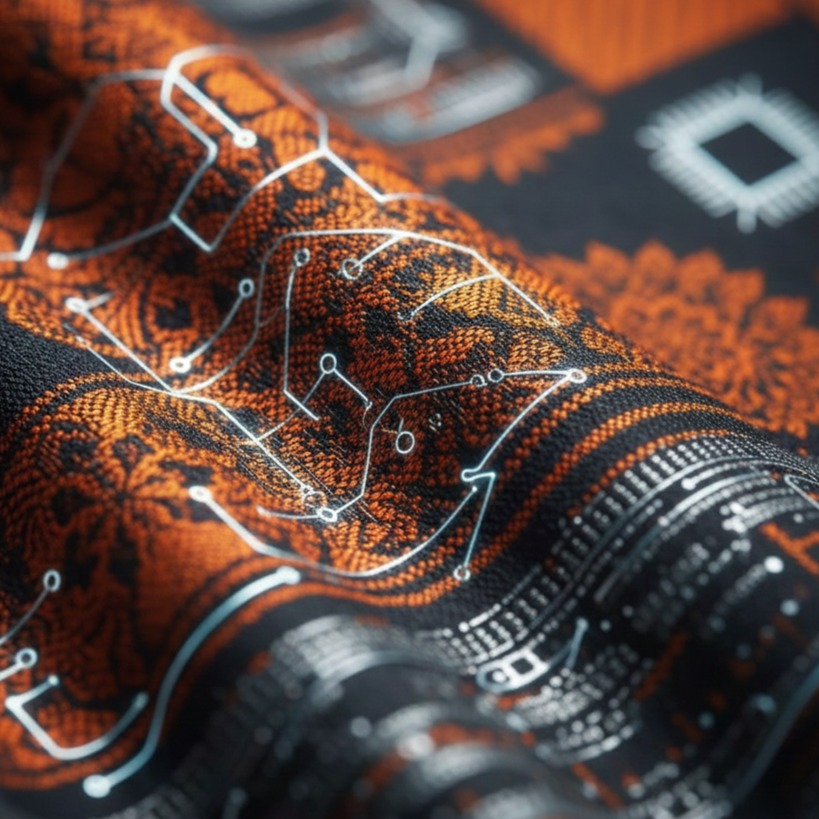
Discover how AI fashion is transforming the Indian textile industry with smarter, sustainable, and personalized daily fashion choices for the future.
Overview
The Indian textile industry, one of the oldest and most vital sectors of the economy, is undergoing a revolutionary transformation thanks to advancements in AI fashion. The integration of artificial intelligence has opened new avenues for fashion technology, enabling smarter production, personalized clothing designs, and sustainable fashion solutions. This change is not just improving the efficiency of textile manufacturing but also reshaping how consumers make daily fashion choices both domestically and globally. As digital fashion and textile tech evolve, India’s textile sector is poised to embrace the future of fashion with a strong blend of tradition and innovation.
How AI Is Changing Textiles and Fashion in India
1. From Fabric Patterns to Finished Garments
AI doesn’t just decorate designs—it controls the entire fashion creation pipeline. Here’s how:
a) AI for Fabric Pattern Recognition
Modern AI tools scan fabric images and identify colors, textures, prints, and repeats.
This helps:
-
Mills reduce human errors
-
Designers get ready-made pattern suggestions
-
Brands test new fabric designs in minutes
b) Intelligent Fabric Selection
AI systems study:
-
climate
-
fabric strength
-
comfort levels
-
customer preferences
Then they recommend the best fabric for a specific garment.
Example: AI may suggest cotton-modal blends instead of pure cotton for summer shirts due to better breathability.
c) Automated Stitching and Smart Production
AI-powered machines can cut fabric precisely and guide stitching robots.
Benefits:
-
Less material waste
-
Faster garment production
-
Higher finishing quality
d) Smart Textiles With Sensors
India is also entering the world of smart clothing, which includes:
-
temperature-adjusting clothes
-
sweat-monitoring sportswear
-
posture-correcting shirts
These innovations merge fashion with health and comfort—something future India will use daily.
2. Impact on Indian Boutiques and Global Fashion Brands
Both local Indian boutiques and major international fashion houses now use AI for smarter business.
a) AI Fashion Forecasting
AI predicts which colors, fabrics, and styles will trend next season by analyzing:
-
Instagram posts
-
e-commerce sales
-
runway shows
-
festival buying patterns
Example: AI may predict the demand for pastel lehengas during wedding season or cotton kurta sets during summer.
b) Inventory Management
Indian retailers lose money when they overstock or understock.
AI solves this problem by:
-
tracking fast-selling items
-
predicting future demand
-
suggesting when to reorder fabrics or garments
c) Personalized Shopping Recommendations
AI studies customer behavior and gives suggestions:
-
“This kurti matches your previous order.”
-
“These shirts suit your body type.”
-
“Customers like you bought these fabrics.”
This increases customer satisfaction and leads to more purchases.
d) Virtual Try-On Technology
This is becoming very popular in Indian online shopping.
Customers can:
-
upload a photo
-
create a 3D avatar
-
try outfits digitally
This reduces returns and helps customers make confident buying decisions.
Impact on Indian Boutiques and Global Brands
Indian boutique stores and global fashion houses alike leverage AI for fashion forecasting, inventory management, and personalized customer experiences. By analyzing consumer preferences and market trends, AI tools help predict demand patterns, ensuring popular items are stocked while minimizing excess inventory. Brands that cater to diverse market segments use AI clothing recommendation systems to suggest outfits tailored to customer tastes, leading to increased satisfaction and loyalty. Moreover, virtual try-on technology, a key element of digital fashion, has revolutionized online shopping by enabling consumers to visualize apparel without physical trials.
Real-World Use Cases
1. AI-Powered Fabric to Garment Workflow in Gujarat
Textile mills in Surat and Ahmedabad use AI to:
-
detect fabric defects
-
choose the right dye combinations
-
simulate garment drapes
-
automate quality checks
This reduces production time by 30–40% and ensures premium finishing.
2. Personalized Clothing for D2C Brands in Mumbai
Startups use AI to create custom outfits based on:
-
exact body measurements
-
style preferences
-
color choices
-
past purchases
Result:
Return rates drop sharply, and customer confidence increases.
3. Virtual Try-On for Indian E-Commerce
Many fashion apps offer AI try-on for:
-
sarees
-
kurtis
-
men’s shirts
-
kidswear
This increases conversion rates by 25–40% on average.
4. AI in Sustainable Fashion
Exporters in Tiruppur and Noida use AI to:
-
monitor water consumption
-
reduce dye waste
-
track carbon footprint
This helps them meet global eco-friendly standards.
- AI-Powered Fabric to Garment Workflow: Leading textile mills in Gujarat use AI platforms to streamline from fabric selection to garment production, reducing turnaround time and enhancing quality control. This includes identifying the best fabric blends through machine learning to create durable and fashionable apparel.
- Personalized Clothing for D2C Brands: Startups focusing on direct-to-consumer apparel in Mumbai use AI algorithms to offer personalized clothing options based on customer body measurements, preferences, and style choices. This reduces return rates and improves user satisfaction.
- Virtual Try-On for E-commerce: Indian online retail platforms have introduced AI-driven virtual try-on solutions, allowing shoppers to see how clothes fit and look on their digital avatars, thus increasing engagement and conversion rates.
- AI in Sustainable Fashion: Several Indian exporters implement AI-based sustainability audits to monitor resource use and carbon footprints, ensuring their products conform to global eco-friendly standards, a rising demand worldwide.
Industry Insights and Expert View
“AI has become a key driver in bridging traditional craftsmanship with modern customization in the Indian textile sector. By enabling data-driven decisions, AI helps mills and designers reduce waste and bring more relevant and innovative fashion products to market,” says Ramesh Kumar, Founder & CEO of Textile Innovations Pvt Ltd, Ahmedabad.
His insight highlights how artificial intelligence is not only a tool for efficiency but also a catalyst for sustainable fashion innovation, combining India’s rich heritage with the demands of tomorrow’s consumers.
Market Data and Growth Potential
According to the Indian Ministry of Textiles, the textile industry contributes nearly 2% to India’s GDP and employs over 45 million people. The sector’s digital transformation focusing on AI implementation is accelerating growth and improving competitiveness in the global market.
Globally, the AI in fashion market is projected to reach $4.4 billion by 2027, growing at a CAGR of over 35%, as highlighted in a McKinsey report on AI fashion. This growth emphasizes the critical role AI plays in enhancing production efficiency and consumer engagement worldwide.
How Tools Like Textile AI Platforms Help
AI platforms such as Tameta Textile AI provide end-to-end solutions for textile manufacturers and fashion brands. These platforms use deep learning to assist in everything from smart textiles development to fashion forecasting and inventory management. For example, their fabric to garment AI feature enables seamless design-to-production workflows, helping businesses save time, reduce errors, and cater to personalized demands efficiently.
Additionally, the AI textile blog offers constant updates on fashion technology trends and practical insights for stakeholders eager to adopt AI clothing innovations, making it a valuable resource for India’s evolving textile ecosystem.
Challenges and Responsible Use of AI
Despite its transformative potential, the adoption of AI in textiles also presents challenges. Skill gaps in AI literacy among traditional textile workers can slow down implementation. Moreover, data quality is paramount; inaccurate or biased data can lead to flawed fashion forecasting or poor product recommendations.
There are also ethical considerations regarding the use of AI, such as ensuring human creativity is complemented rather than replaced and promoting transparency in AI-powered decisions. Responsible use of AI involves investing in training, robust data governance, and inclusive design practices to make fashion innovation accessible and fair.
Action Steps for Readers
- Explore AI-powered textile solutions by consulting platforms like Tameta Textile AI to understand technology benefits for your business.
- Invest in upskilling current staff to manage AI tools effectively and foster a culture of innovation within your textile operations.
- Focus on integrating AI for sustainable fashion efforts, such as monitoring resource consumption and reducing waste in manufacturing.
- Adopt AI-based fashion forecasting tools to better anticipate market trends and consumer preferences, reducing risks of overproduction.
- Leverage AI-powered virtual try-on and personalized clothing services to enhance customer experience, especially for online and D2C businesses.
Conclusion
AI fashion is reshaping Indian textiles by blending tradition with cutting-edge technology to deliver smarter daily fashion choices. From manufacturing innovations and smart apparel to personalized clothing and sustainable practices, AI's influence spans every aspect of the textile value chain. For India’s textile sector to capitalize on this transformation, embracing AI-powered fashion technology is essential. Platforms like Tameta Textile AI illustrate how textile tech can empower Indian brands and manufacturers to thrive in the evolving global landscape. As AI continues to develop, the future of fashion looks smarter, more sustainable, and more personalized than ever before.