Explore how AI in textile industry is transforming Indian textiles and fashion with smarter choices, sustainability, and innovation for a sustainable future.
Overview
The Indian textile industry, long regarded as a cornerstone of the country’s economy and cultural heritage, is currently undergoing a revolutionary transformation powered by artificial intelligence (AI). The integration of AI in textile industry processes, ranging from design and manufacturing to marketing and consumer engagement, is enabling smarter fashion choices that are both innovative and sustainable. As global demand shifts towards personalized styles, eco-friendly fabrics, and efficient production cycles, AI-driven technologies are offering Indian manufacturers and brands new tools to meet these changing needs at scale. Now more than ever, the fusion of fashion technology and AI is reshaping the future of Indian textiles, positioning the sector for unparalleled growth and global competitiveness.
According to the Ministry of Textiles, Government of India, the Indian textile market contributes approximately 2% to the country’s GDP and employs over 45 million people directly. Embracing AI is critical to maintaining this economic significance while addressing modern challenges such as sustainability, cost pressures, and fast-changing consumer demands.
How AI Is Changing Textiles and Fashion
From Fabric Patterns to Finished Garments
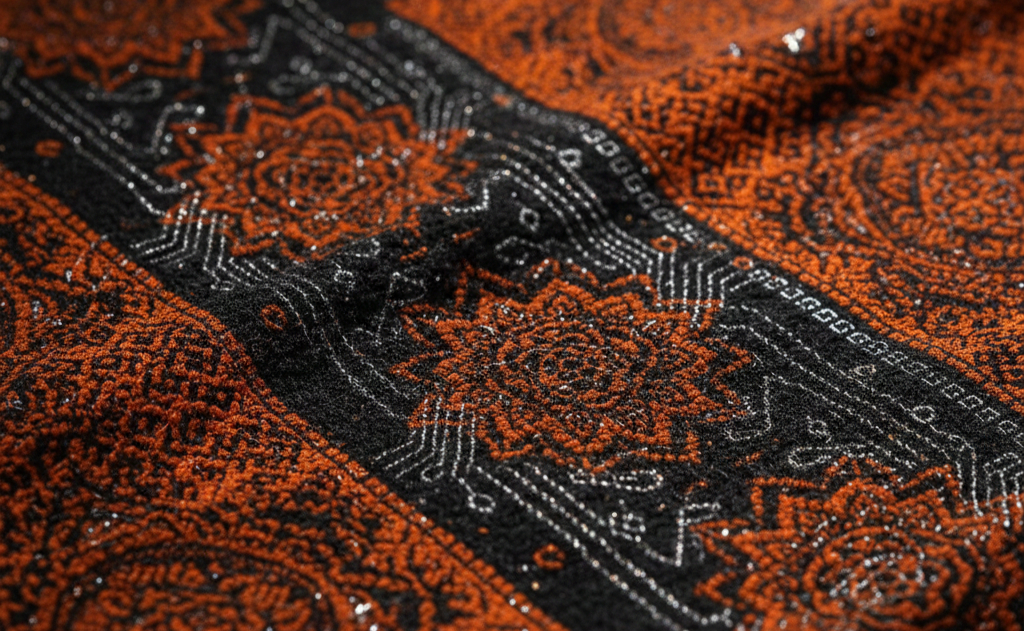
AI’s impact in textiles begins at the very inception of fashion—fabric and pattern design. Advanced algorithms analyze vast datasets from fashion trends, consumer preferences, and historical designs to predict trending styles and create innovative fabric patterns. By leveraging AI-based design tools, textile designers can generate thousands of variations, optimizing color palettes, textures, and motifs swiftly compared to traditional manual methods.
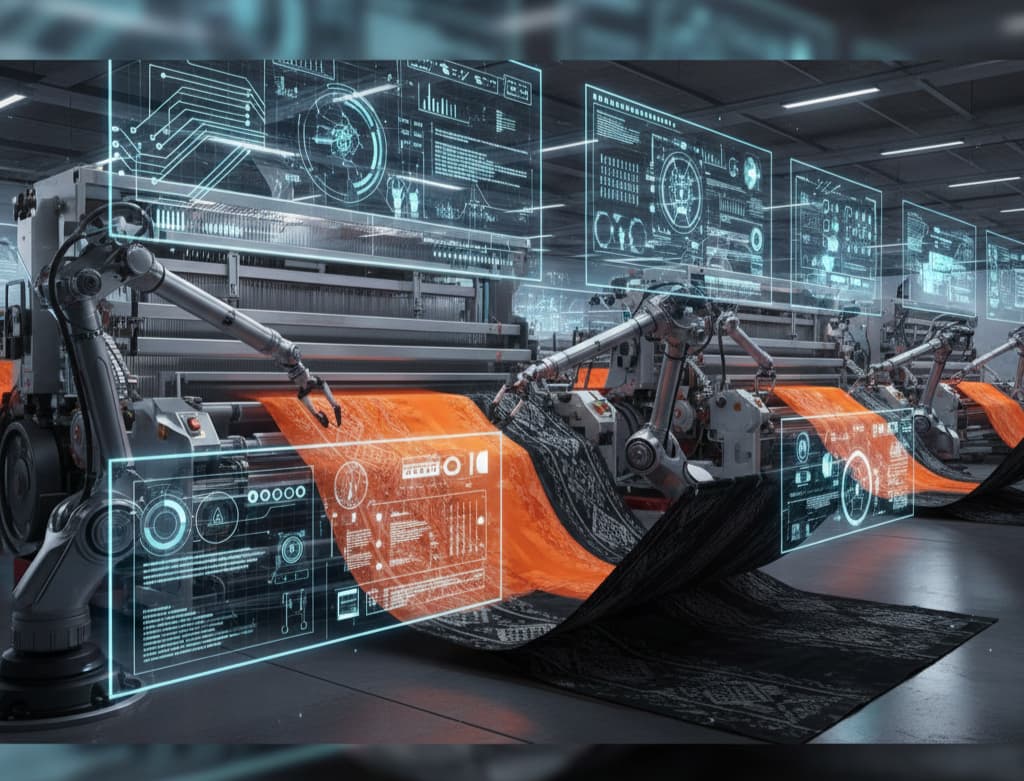
Beyond design, AI integrates into manufacturing processes with smart textiles that incorporate sensors and digitally enhanced fibers enabling responsive and adaptive garments. AI algorithms manage production lines, optimize cutting paths to minimize fabric wastage, and detect defects automatically, ensuring quality and sustainability align with commercial goals.
Impact on Indian Boutiques and Global Brands
Small-scale Indian boutiques and designers now harness AI-powered fashion AI tools to compete globally. Virtual try-on technology, personalized style assistants, and digital textile platforms allow these businesses to engage customers with interactive, immersive shopping experiences and tailor products to individual preferences.
On the other hand, global brands sourcing from Indian mills are increasingly adopting AI-driven supply chain management and inventory forecasting to accelerate product launches and reduce overproduction. This synergy creates a unique ecosystem where Indian exports meet international demand supported by intelligent data-driven decisions.
Real-World Use Cases
- AI-Driven Fabric Design: Indian fabric manufacturers use AI-based systems to analyze trend data from social media and fashion weeks worldwide. This enables them to design collections that resonate with contemporary tastes while preserving traditional weaving techniques.
- Smart Textiles with Integrated AI: Innovators in India and globally are embedding AI-enabled sensors in textiles that monitor body temperature, moisture, or even posture. This technology finds applications in sportswear, healthcare uniforms, and fashion products, enhancing functionality.
- Virtual Try-On and Customer Engagement: Indian fashion retailers and D2C brands use AI-powered apps offering virtual try-on features, reducing purchase hesitation and returns. This personalization boosts sales and customer satisfaction while decreasing environmental impact.
- AI in Manufacturing and Quality Control: Textile mills across India employ AI vision systems to inspect fabric quality in real-time, spotting defects early and reducing waste. Automation powered by AI enhances productivity and reduces labor-intensive inspection.
Industry Insights and Expert View
“AI is a game-changer for the textile sector in India. It not only enhances efficiency but also opens doors to creative expression and sustainability, essential for modern fashion,” says Mr. Rajesh Khandelwal, CEO of SilkWeave Fabrics, a leading textile manufacturer based in Surat. “Our integration of AI tools has cut production downtime by 30%, and our customer feedback shows a rising preference for AI-aided customized designs.”
This perspective highlights how AI is not simply a cost-cutting tool but a catalyst for innovation and competitiveness. By enabling faster decision-making and deeper insights into consumer demands, AI empowers Indian textile companies to meet diverse market needs sustainably and profitably.
Market Data and Growth Potential
The Indian textile market was valued at approximately USD 150 billion in 2022 and is expected to reach USD 230 billion by 2026, growing at a CAGR of 11.33% according to IBEF’s 2023 report on Indian textiles. This growth is partially attributed to the adoption of advanced technologies including AI in manufacturing and design.
Globally, the application of AI in the fashion and textile industry is projected to grow at a CAGR of over 35% through 2027, boosted by investments in AI fashion design, smart textiles, and AI-powered ecommerce platforms, as reported by McKinsey in their 2023 analysis on AI in retail (McKinsey AI Retail Report 2023).
How Tools Like Textile AI Platforms Help
AI platforms specifically designed for textiles, such as Tameta Textile AI, are transforming how textile professionals digitize and innovate their workflow. These platforms offer features such as automated fabric pattern recognition, AI-driven trend forecasting, and seamless integration from fabric design to garment manufacturing.
Fabric to garment manufacturing AI tools, available through platforms like the fabric to garment AI feature, support efficient production management by aligning raw material usage with product demand, reducing waste and lead times.
Such digital textile platforms are pivotal for Indian textile mills and brands to thrive globally by providing scalable solutions built on smart algorithms and data analytics, thus elevating traditional craftsmanship through modern technology.
For readers seeking continuous insights on AI advancements in the textile industry, the AI textile blog offers ongoing news, case studies, and expert advice curated for professionals and enthusiasts alike.
Challenges and Responsible Use of AI
Despite its promise, the adoption of AI in the Indian textile sector faces challenges. One significant hurdle is the skill gap; many traditional workforce members lack training to operate AI-powered machinery and software. Upskilling initiatives and accessible digital literacy programs are essential to bridge this gap.
Another challenge lies in data quality and privacy. AI systems require precise and diverse datasets to deliver accurate insights. Ensuring ethical use of customer data and transparent algorithms will foster trust among consumers and stakeholders.
Moreover, overreliance on automation can risk sidelining artisanal skills and local craftsmanship that define Indian textiles. Balancing technology use with cultural preservation is crucial for responsible AI deployment in the sector.
Action Steps for Readers
- Start by exploring AI-based design tools to complement traditional creativity and reduce time-to-market.
- Invest in staff training on AI applications relevant to your segment, from fabric inspection to digital marketing.
- Collaborate with AI platform providers like Tameta Textile AI to pilot digital textile solutions tailored to your production scale and market.
- Adopt sustainable fashion practices supported by AI insights, such as waste reduction and demand forecasting.
- Engage consumers with AI-powered ecommerce features like virtual try-ons to enhance buying confidence and improve brand loyalty.
Conclusion
The integration of AI in textile industry heralds a new era for the Indian textile sector, driving smarter fashion choices across design, manufacturing, and retail. This digital revolution supports not only efficiency and creativity but also sustainability and market responsiveness that meet the demands of today's conscious consumers. As Indian textile businesses embrace these technologies, they enhance their competitive edge globally while nurturing traditional heritage with modern innovation. The future of fashion in India is undeniably intertwined with AI, paving the way for a transformational journey in textile innovation.