Introduction: Fashion Has a Visualization Problem
Fashion has always been visual.
From touching fabric in physical stores to watching garments move on a runway, buying fashion has traditionally relied on seeing and feeling.
But the global shift to online fashion created a serious challenge:
How do you help customers imagine a garment when all they see is a flat image?
Even today, many fashion brands struggle with:
-
Low buyer confidence
-
High return rates
-
Poor conversion despite great designs
-
Customers unable to visualize how a fabric becomes a finished garment
Tameta Textile AI was created to solve exactly this problem — not just at one stage, but across the entire fashion visualization journey.
This blog shares the complete story:
-
How the idea was born during Diwali
-
Why fabric-to-garment AI was only the beginning
-
How Virtual Try-On became a natural evolution
-
And how Tameta Textile AI continues to grow into a full fashion visualization platform
The Beginning: A Diwali Idea Rooted in Real Fashion Problems
Every meaningful product starts with a real-world observation.
During Diwali a time when fashion demand peaks globally — the Tameta team noticed a recurring issue faced by boutiques, designers, and fabric sellers.
Beautiful fabrics were everywhere:
-
Silk
-
Cotton
-
Rayon
-
Printed textiles
-
Ethnic and contemporary materials
But the same question kept coming from buyers and sellers alike:
“How will this fabric look after stitching?”
Designers struggled to explain it.
Boutique owners relied on imagination.
Customers hesitated.
This wasn’t a design problem.
It was a visualization gap.
That Diwali moment became the foundation of Tameta Textile AI.
Phase One: Fabric-to-Garment AI — Solving the First Gap
The first mission was clear:
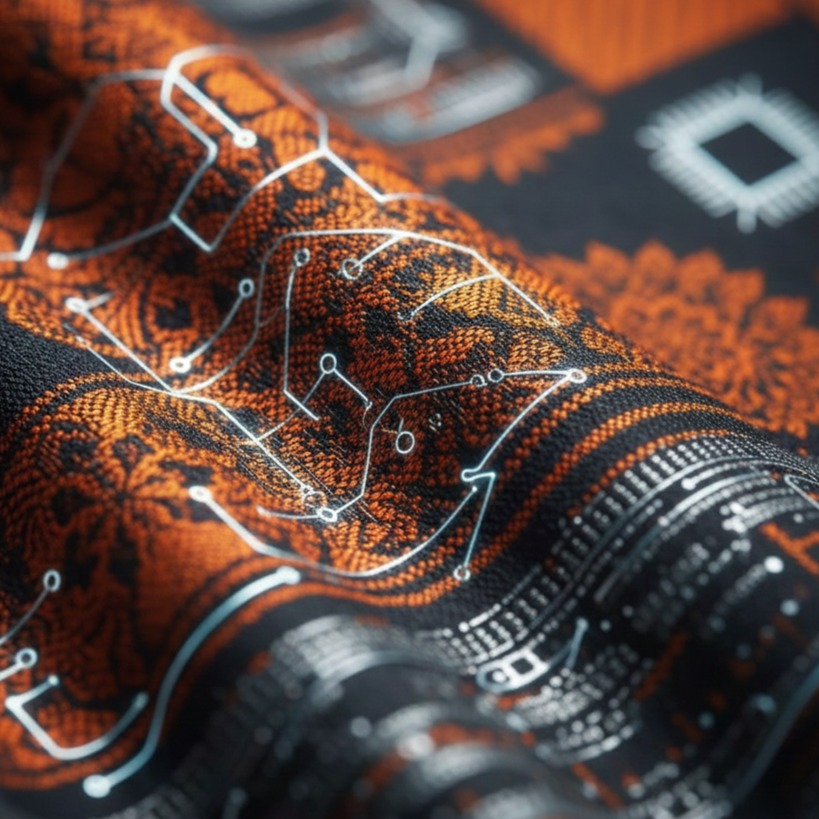
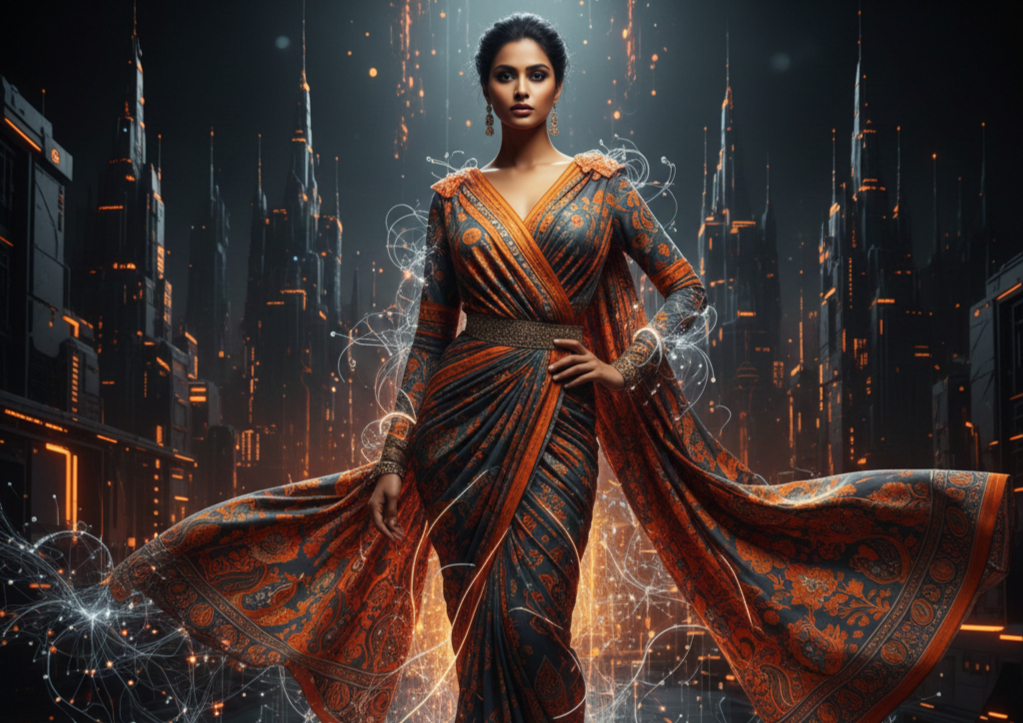
Convert raw fabric into realistic garment visuals using AI.
Instead of flat fabric photos, users could now:
-
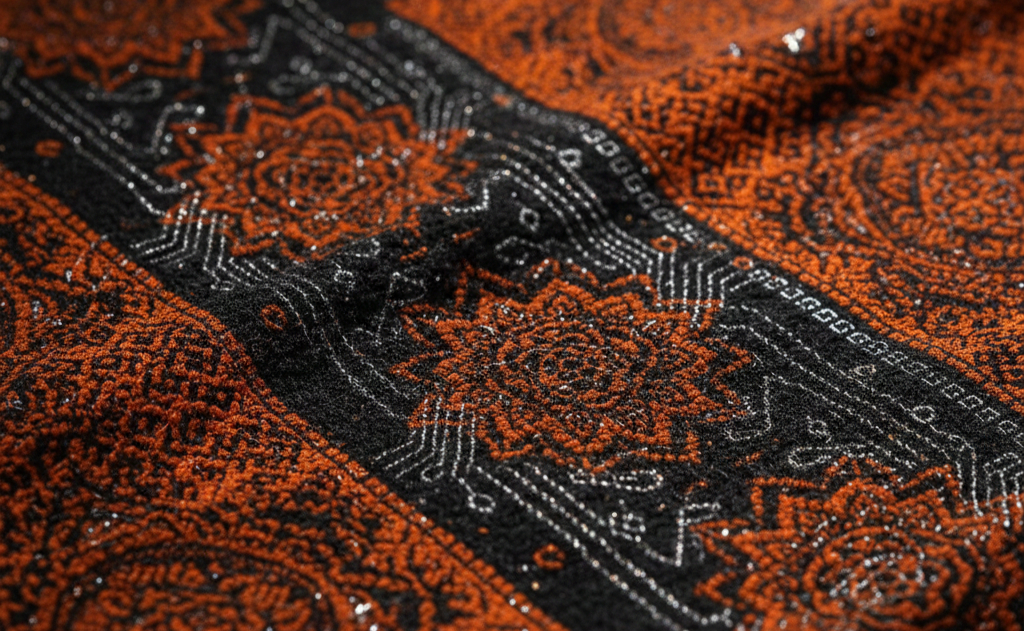
Upload a fabric image
-
Choose a garment type
-
Instantly generate a realistic stitched look
This changed how fashion businesses worked:
-
Fabric sellers could show ready designs
-
Designers could present ideas faster
-
Boutiques could attract customers without physical samples
The response was immediate and positive.
But soon, a deeper realization emerged.
The Turning Point: Design Is Only Half the Journey
As powerful as fabric-to-garment AI was, one question kept coming back internally:
What happens after the garment is designed?
Fashion is not just about design.
It’s about decision-making.
Customers don’t just want to see clothes —
they want to see themselves in those clothes.
That insight marked a critical turning point.
The Evolution: Why Virtual Try-On Became Inevitable
If AI can:
-
Understand fabric textures
-
Create realistic garments
-
Simulate drapes and folds
Then why stop there?
Why not help customers visualize:
-
Fit
-
Look
-
Presence
-
Confidence
That question led to the most important evolution of Tameta Textile AI:
Virtual Try-On technology.
Virtual Try-On: Bridging Imagination and Confidence
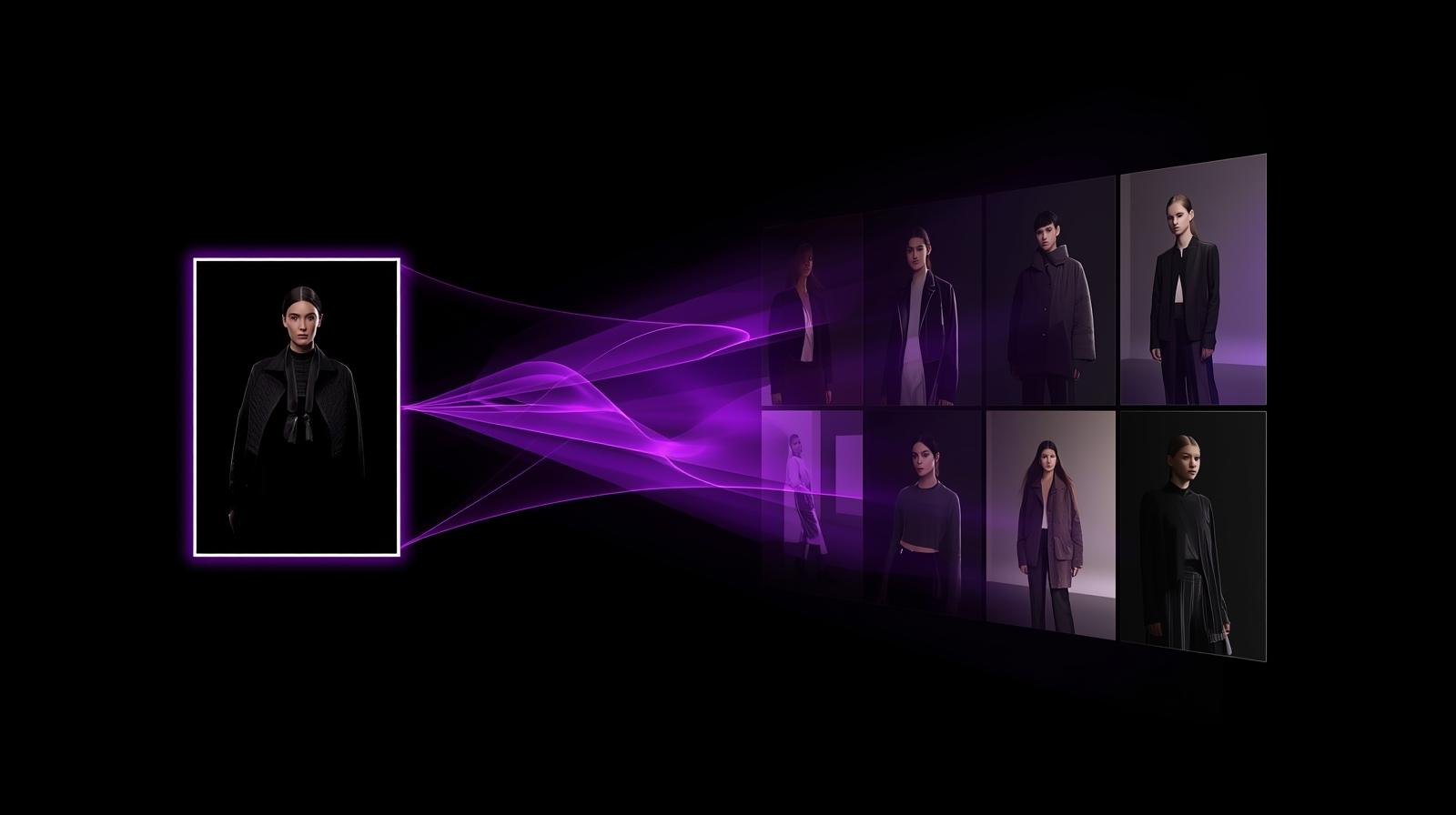
Virtual try-on technology allows users to:
-
See garments on digital human models
-
Understand how outfits look before buying
-
Reduce hesitation and uncertainty
For fashion ecommerce brands, this is transformative.
It directly impacts:
-
Buyer confidence
-
Add-to-cart rate
-
Conversion rate
-
Return reduction
Virtual try-on is not a gimmick.
It’s a decision-making tool.
Tameta Textile AI didn’t add virtual try-on as a trend feature —
it added it because it solved the final missing link in online fashion.
From Fabric to Virtual Try-On: A Complete Visualization Flow
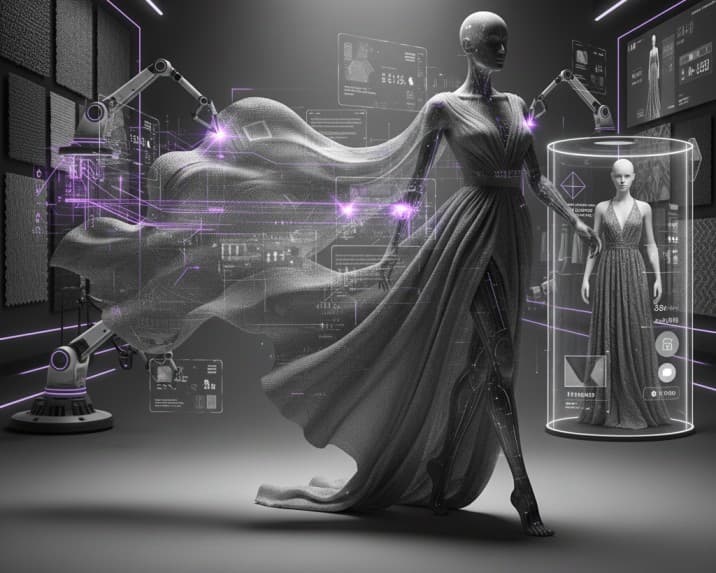
Today, Tameta Textile AI supports a complete fashion visualization journey:
-
Fabric Upload
Raw textile images from suppliers or designers -
Garment Visualization
AI converts fabric into realistic stitched garments -
Design Refinement
Variations in styles, cuts, and patterns -
Virtual Try-On
Garments displayed on digital models -
Customer Confidence
Clear understanding of look and fit -
Purchase Decision
Reduced doubt, faster checkout
This end-to-end flow is what sets Tameta Textile AI apart globally.
Why Fashion Brands Worldwide Are Adopting This Approach
Across global markets — from India to Europe, the US, and the Middle East — fashion brands face similar challenges:
-
Customers can’t try before buying
-
Returns are expensive
-
Product photography is costly
-
Time-to-market is slow
AI-powered fashion visualization changes the economics of fashion ecommerce.
With Tameta Textile AI, brands can:
-
Launch collections faster
-
Reduce sampling costs
-
Improve customer trust
-
Scale visual content without physical shoots
This makes it valuable not just for large brands, but also for:
-
Boutique owners
-
D2C startups
-
Online fashion marketplaces
-
Textile exporters
The Philosophy Behind Tameta Textile AI
What makes Tameta Textile AI different is not just technology —
it’s mindset.
Every feature follows one principle:
Solve a real problem first. Technology comes second.
This philosophy shaped every phase:
-
Fabric visualization
-
Garment realism
-
Virtual try-on
-
Continuous feature expansion
The platform was never built to chase hype.
It was built to support how fashion businesses actually work.
Continuous Growth: From Diwali Idea to Global Platform
Tameta Textile AI is not a finished product.
It is a growing ecosystem.
From its Diwali foundation to today, the platform has evolved through:
-
User feedback
-
Industry use cases
-
Real-world fashion workflows
And it continues to expand with:
-
More garment categories
-
Improved realism
-
Better model diversity
-
Faster AI processing
-
Deeper ecommerce integration
This evolution is intentional.
Fashion changes fast.
The technology supporting it must evolve faster.
The Impact on Fashion Ecommerce Performance
Global data shows that better visualization directly impacts sales.
Fashion brands using advanced visualization tools experience:
-
Higher engagement time
-
Better product understanding
-
Increased conversion rates
-
Reduced product returns
Virtual try-on technology is now becoming a standard expectation, not a luxury.
Tameta Textile AI positions brands ahead of this curve.
Looking Ahead: The Future of Fashion Visualization
The future of fashion ecommerce will not rely on static images.
It will be driven by:
-
AI-generated visuals
-
Interactive product experiences
-
Personalized fashion previews
-
Intelligent styling suggestions
Tameta Textile AI is already aligned with this future.
What started as a simple Diwali idea has grown into a platform that:
-
Connects design to decision
-
Bridges creativity with commerce
-
Helps brands sell fashion with confidence
Conclusion: More Than AI — A Complete Fashion Experience
Tameta Textile AI is not just:
-
Fabric AI
-
Garment AI
-
Virtual try-on AI
It is a complete fashion visualization journey.
From the first spark of a Diwali insight
to a globally relevant fashion-tech platform
the mission has remained consistent:
Help fashion brands show products better, sell with confidence, and grow faster.
As fashion continues to move online, tools like Tameta Textile AI will define how brands succeed in the digital-first world.