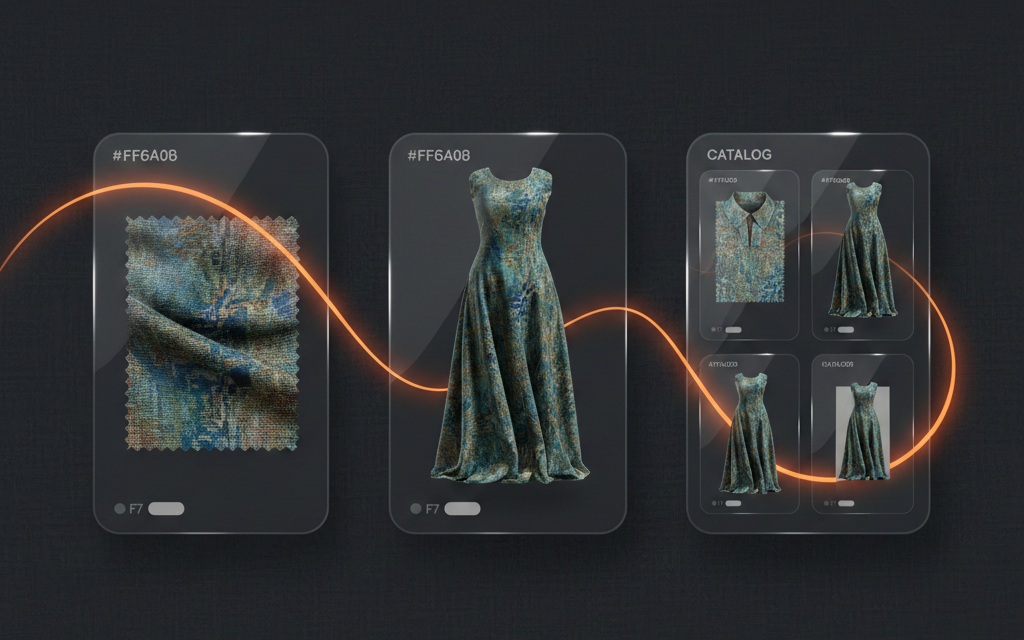
Discover how AI in fashion is revolutionizing the textile industry, enhancing design, manufacturing, and sustainability in India and globally.
Overview
The textile industry, a cornerstone of India’s economy and a vibrant global sector, is undergoing a profound transformation fueled by advances in artificial intelligence. AI in fashion is not just a buzzword but a disruptive force reshaping how fabrics are envisioned, produced, and experienced daily. From fabric technology to AI clothing design, the integration of smart textiles and digital fashion is moving beyond concept into commercial reality.
Today, the role of AI goes far beyond automation. It drives innovation in manufacturing processes, accelerates design cycles, reduces wastage, and creates personalized consumer experiences. As sustainable fashion tech gains momentum worldwide, the Indian textile sector is uniquely positioned to leverage AI to compete on a global scale while addressing environmental and economic challenges.
How AI Is Changing Textiles and Fashion
From Fabric Patterns to Finished Garments
Artificial intelligence is revolutionizing each stage of the textile and apparel value chain. In fabric technology, AI algorithms analyze vast datasets of material properties to engineer smarter textiles that adapt to conditions such as temperature and humidity or offer added functionalities like stain resistance and UV protection.
AI-driven design software enables the rapid generation of complex fabric patterns, optimizing aesthetics and functionality simultaneously. These tools consider consumer trends, color preferences, and even cultural motifs, making designs more relevant and appealing. For garment manufacturing, AI-enabled robotics and predictive maintenance streamline production lines, reducing downtime and defects while speeding time-to-market.
Impact on Indian Boutiques and Global Brands
On the commercial front, Indian boutiques and global brands alike harness AI to revolutionize their fashion technology approaches. In Mumbai and Bangalore, small to medium-sized enterprises use AI fashion design platforms for quick prototyping, virtual sampling, and virtual try-ons, reducing the need for physical samples and wastage.
Global e-commerce giants integrate AI-powered customization engines to deliver personalized recommendations and made-to-measure apparel. This integration supports the rise of direct-to-consumer brands that thrive on agility and customer engagement, a trend increasingly visible in India’s fast-growing fashion market. This paradigm shift is transforming how consumers interact with fashion—from passive purchasing to interactive, technology-enabled experiences.
Real-World Use Cases
- AI in Design Automation: Indian fabric manufacturers are employing AI textile software such as pattern recognition and generative design tools to create novel motifs inspired by traditional art forms like Kalamkari and Bandhani, preserving heritage while adding innovation. For example, some Maharashtra-based mills have integrated AI to shorten the design phase by 40%.
- Smart Textiles in Sportswear: Global brands develop smart textiles embedded with sensors monitoring body temperature and hydration levels. Indian startups are collaborating with these companies, producing such fabrics locally, thus benefiting the export market and positioning India in future-forward textile production.
- Digital Fashion and Virtual Try-On: Retailers in Delhi and Mumbai have introduced virtual try-on technology powered by AI, allowing online shoppers to visualize apparel fit and style. This has improved conversion rates and reduced product returns, enhancing consumer satisfaction.
- AI-Enabled Sustainability: AI algorithms optimize material usage and suggest eco-friendly fabric blends, supporting sustainable fashion tech initiatives. Indian textile exporters increasingly adopt these tools to meet strict environmental standards of European and American markets.
Industry Insights and Expert View
According to Rajesh Mehta, Founder & CEO of Textile Innovators India, “The marriage of AI and textiles is not merely enhancing operational efficiency but redefining creativity and consumer experience. For Indian manufacturers and designers, AI offers a unique chance to blend rich cultural heritage with cutting-edge technology, making our fashion globally competitive and sustainably responsible.”
Mehta’s perspective highlights how AI bridges tradition and modernity. The integration of AI fashion design tools allows artisans and designers to experiment digitally before producing physical samples, thus saving both time and resources. His insights also emphasize the broader economic benefits, such as improving export capabilities and innovating sustainable production methods.
Market Data and Growth Potential
The Indian textile and apparel industry is among the largest contributors to the national economy, providing employment to over 45 million people. As per the Indian Ministry of Textiles, the industry is expected to grow at a CAGR of around 11% over the next five years, with rising adoption of AI and fashion technology accelerating this trajectory.
Globally, the AI in textiles market was valued at approximately $1.5 billion in 2022 and is projected to reach $5 billion by 2030, according to a McKinsey report on AI in fashion. This growth is driven by the increasing demand for smart textiles, digital fashion, and AI-enhanced manufacturing processes that boost sustainability and innovation.
How Tools Like Textile AI Platforms Help
AI platforms dedicated to textiles, such as Tameta Textile AI, play a pivotal role in transforming the sector. These platforms integrate advanced algorithms for fabric-to-garment AI feature modeling, optimizing both design and production workflows. They allow manufacturers, designers, and brands to simulate fabric behaviors, streamline pattern creation, and digitally prototype garments before physical fabrication.
By leveraging solutions offered on platforms like the AI textile blog, industry players stay updated on the latest developments in AI clothing design and sustainable fashion tech. This knowledge base supports the adoption of best practices in textile innovation and digital fashion, offering competitive advantages in an evolving marketplace.
Challenges and Responsible Use of AI
Despite its potential, deploying AI in textiles comes with challenges. A significant barrier is the skill gap; many Indian manufacturers and designers require training to harness AI tools effectively. Additionally, quality and quantity of data remain critical, as AI’s output depends heavily on accurate, diverse datasets.
Moreover, ethical considerations arise around data privacy, workforce displacement, and over-reliance on automation. Responsible AI use mandates transparent algorithms, human oversight, and capacity building to ensure that technology empowers rather than replaces human creativity and craftsmanship.
Action Steps for Readers
- Explore AI textile platforms like fabric to garment AI feature to pilot digital prototyping and pattern design in your fashion projects.
- Invest in upskilling teams on AI fashion design software to improve operational efficiency and innovation capacity.
- Adopt smart textiles with embedded functionality for product differentiation and greater customer appeal.
- Incorporate AI-driven data analytics to forecast trends, optimize inventory, and reduce wastage aligning with sustainable fashion tech principles.
- Collaborate with technology providers to customize AI solutions suitable for your scale of operations and market.
Conclusion
The integration of AI in fashion marks a new era for the textile industry, where fabric technology, sustainable fashion tech, and digital fashion converge to reshape experiences from design to consumption. As demonstrated in Indian and global markets, AI enhances creativity, productivity, and sustainability, unlocking untapped potential in a sector steeped in tradition yet poised for future innovation.
Brands, designers, and manufacturers who embrace AI clothing design and fashion technology today are well-positioned to lead the future of fashion. Platforms like https://textile-ai.tameta.tech/ exemplify the digital tools enabling this transformation. Ultimately, AI in fashion is not just improving how clothes are made but revolutionizing our daily textile experience worldwide.