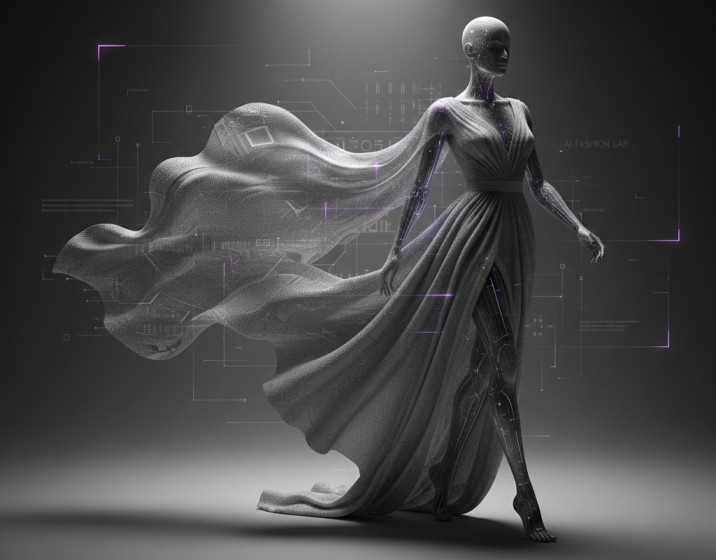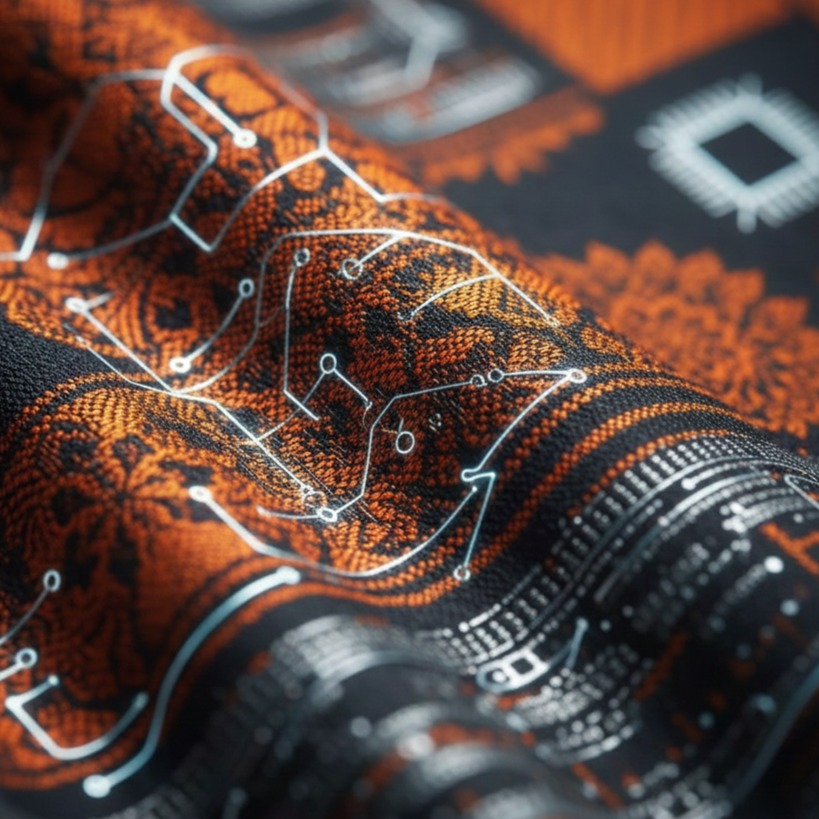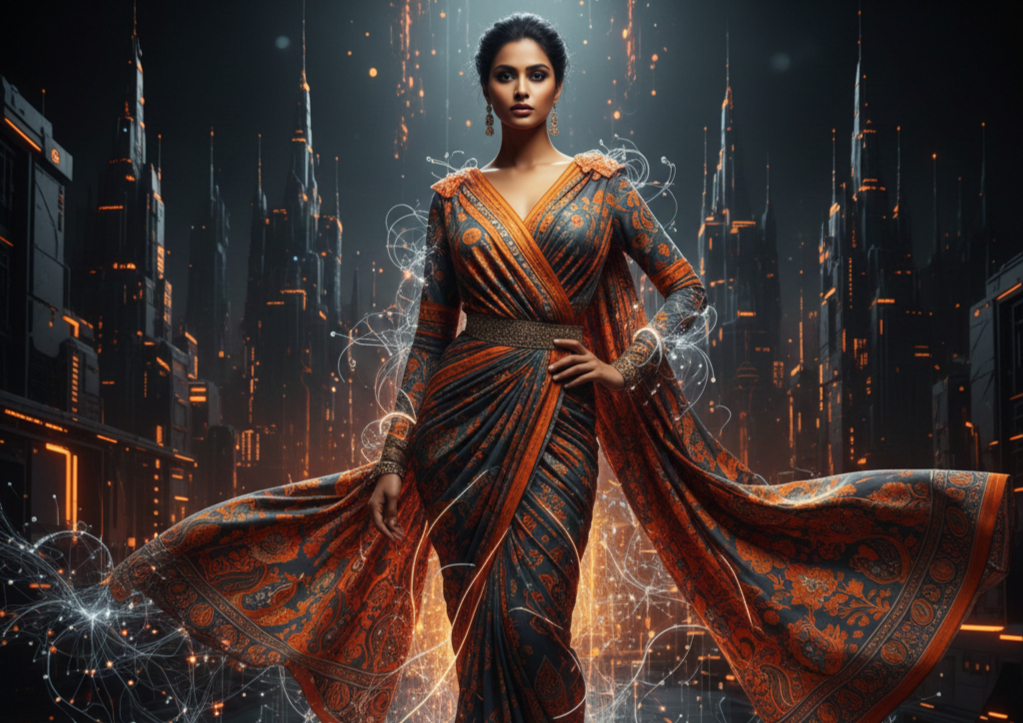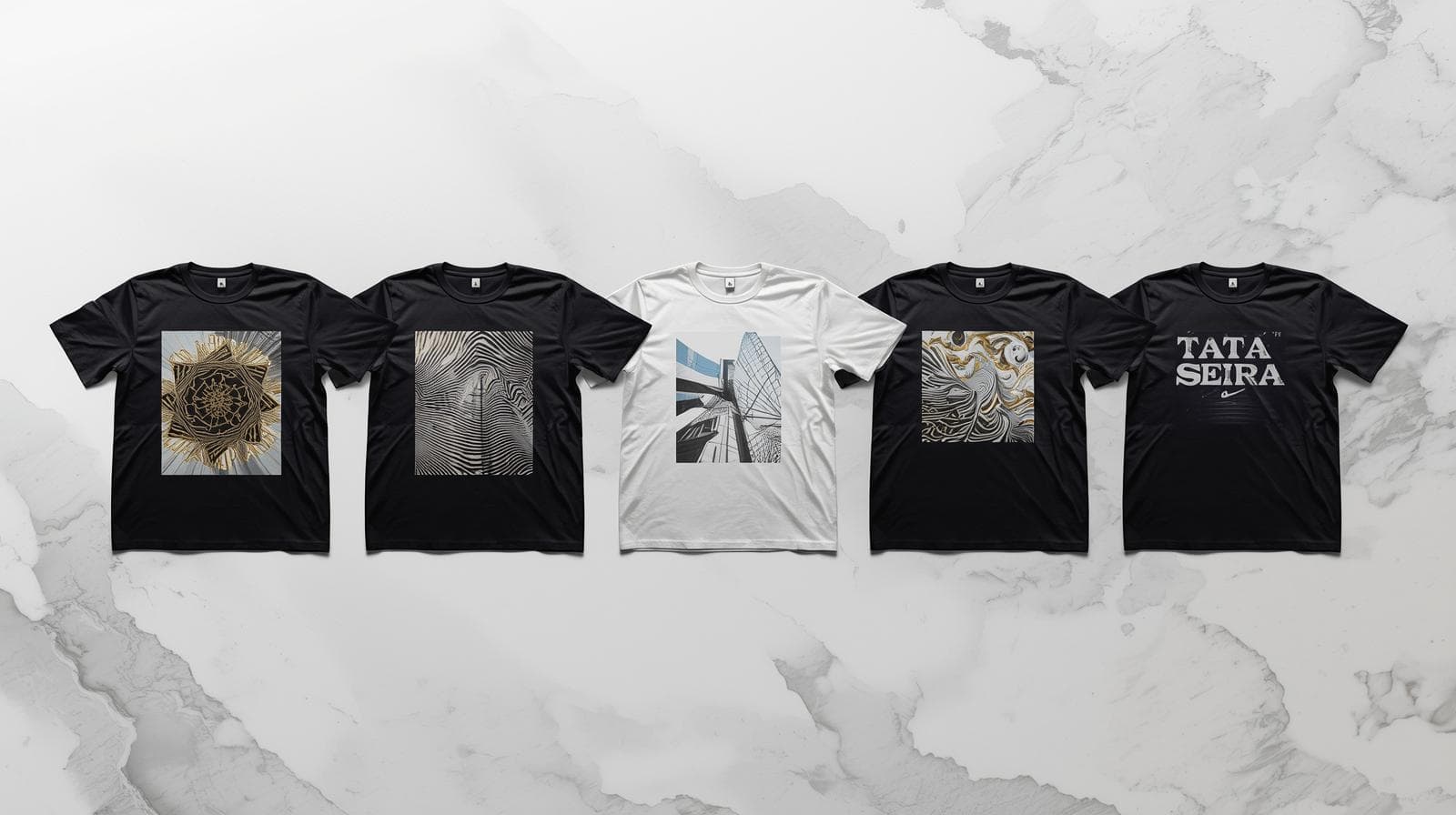
Imagine looking at a T-shirt design that feels real even though nobody has stitched it yet. A single fabric photo can turn into a complete T-shirt look in a few seconds. This new and fast method is helping thousands of textile businesses across India work faster, reduce costs, and show customers perfect results without producing a single sample.
Introduction
India has one of the world’s biggest textile industries, and millions of workers, tailors, boutiques and fabric sellers depend on it for daily income. But this industry also faces many problems. Traditional garment sampling is slow and expensive. A single T-shirt sample requires fabric cutting, stitching, ironing, model photography, background editing and catalog creation. This process takes time and increases cost for small businesses.
AI-based garment visualization changes this entire process. Instead of stitching a sample, businesses now upload a fabric photo and instantly see a finished T-shirt design. The result looks clear, realistic and ready to show customers.
This technology helps tailors, boutiques, wholesalers, fashion startups and online sellers. It brings speed, clarity, and confidence to design decisions. This document explains how AI-based T-shirt visualization works, how Tata Seira style designs can be tested digitally, and why this method is becoming essential for the Indian textile market.
How Tameta Textile AI Helps With T-Shirt Visualization (Deep Explanation)
Tameta Textile AI is a modern textile visualization platform that converts fabric photos into finished T-shirt designs within seconds. It supports cotton, rayon, polyester blends, printed fabrics, woven textures and many more materials used across India. The platform is fast, simple and built for designers, tailors, boutiques, online sellers and manufacturers who want to see final garments without stitching real samples.
The platform can be explored through the Tameta Textile AI website (textile-ai.tameta.tech).
Clear Fabric Understanding
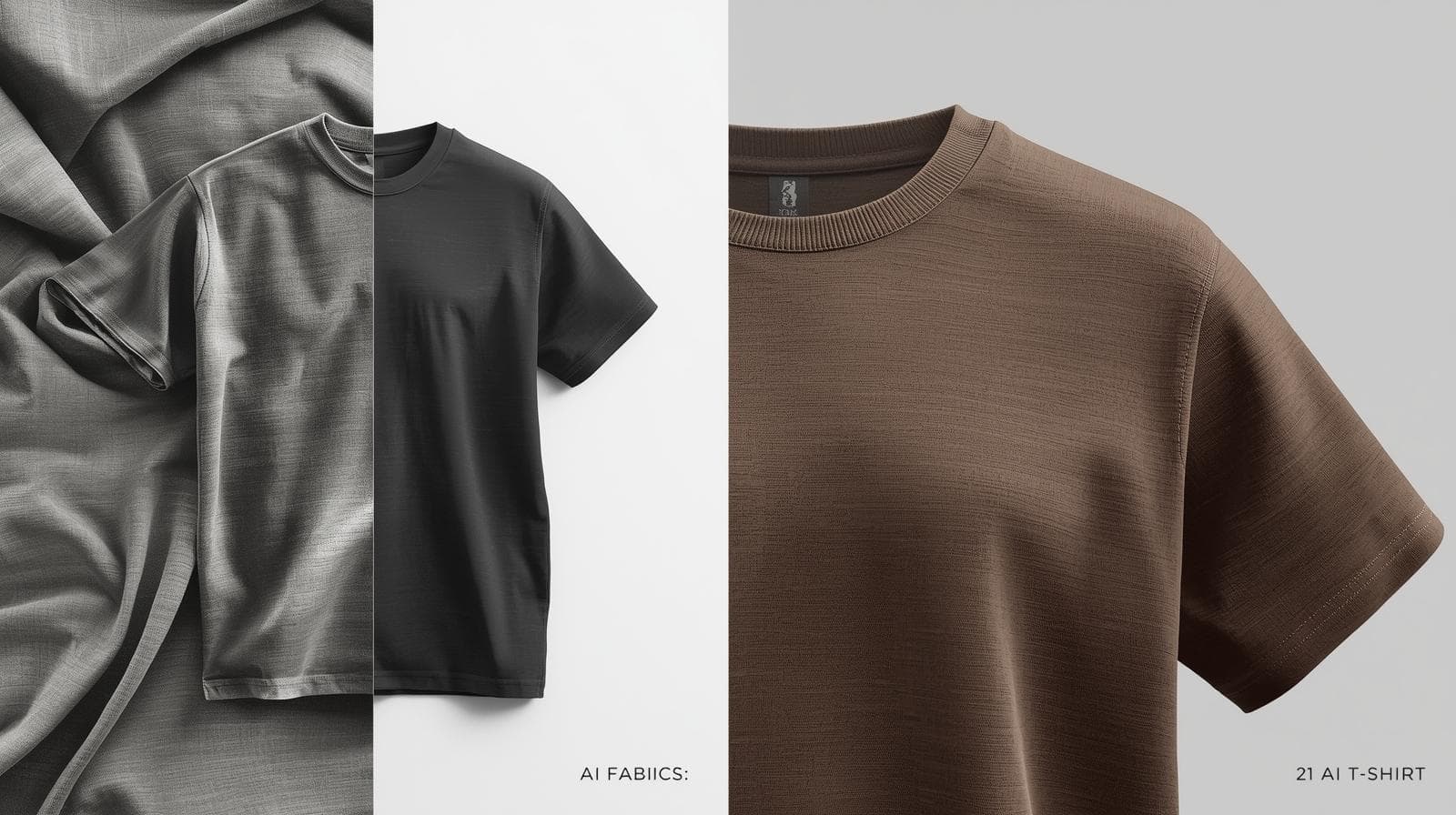
The strength of the platform lies in its ability to study fabric deeply. After a user uploads a fabric photo, the system uses textile-focused AI models to understand:
-
Color tones, gradients and shade mixing
-
Fine texture and weave structure
-
Print density and detailing
-
Pattern flow and direction
-
Motif clarity and scale
-
Repeat pattern placement
This means the AI does not just “overlay” a design. It interprets the fabric and applies it to the T-shirt model in a way that looks natural, smooth and believable.
Global textile research such as the TextileNet Study by ArXiv (arxiv.org) highlights how modern AI can recognize weave, fiber and material properties accurately.
Thanks to this fabric understanding, the final T-shirt preview reflects the real material as closely as possible.
Accurate T-Shirt Templates
Different brands, fits and target groups require different T-shirt styles. Tameta Textile AI supports multiple T-shirt templates, allowing a business to test designs instantly. Available options include:
-
Round neck
-
V-neck
-
Slim fit
-
Regular casual fit
-
Oversized streetwear
Each template is designed with correct proportions and garment flow.
This helps designers match the fabric with the style. For example:
-
Heavy prints suit oversized fits because they offer more surface area for bold artwork.
-
Minimal prints and soft tones look cleaner on slim-fit designs.
-
Streetwear fabrics can be previewed with drop-shoulder oversized templates.
This flexibility helps brands create collections that look well-planned and consistent with their identity.
Readers can explore real-world design strategies in the Fashion Design and Visual Merchandising Study by NIFT (nift.ac.in), showing how garment shape and print scale influence final appeal.
Instant Final Look
The biggest benefit is speed. Once the template is selected, the AI generates a 4K-quality T-shirt visual that includes:
-
Natural fabric folds
-
Light reflections
-
Clean shadow mapping
-
Print stretching accuracy
-
True-to-life drape
-
Texture clarity at high resolution
The result looks like a professional studio photograph.
Boutiques and online sellers can use these visuals directly in:
-
Website product pages
-
WhatsApp promotions
-
Instagram catalogs
-
Facebook ads
-
Retail presentations
This reduces or eliminates the need for:
-
Physical stitching
-
Model shoots
-
Studio lighting
-
Background editing
Indian e-commerce studies by IBEF (ibef.org) confirm that clean visuals improve customer trust and increase conversion rates drastically.
AI previews achieve this without any physical effort.
Storage for Collections
Every design created on the platform is saved automatically.
Users can revisit their collection any time, compare designs, create multiple versions, or organize sets for publishing.
This stored catalog acts like a digital wardrobe, helping designers:
-
Build seasonal launches
-
Maintain color stories
-
Plan drop-based collections
-
Save rejected ideas for future use
-
Share designs with buyers instantly
Instead of filling up storage with physical samples, everything stays digital, organized and ready for production approval.
Deeper Advantages for the Textile Industry
Tameta Textile AI supports both tiny local shops and large manufacturers. Some deep industry-level benefits include:
-
Faster decision cycles during festival seasons and sale periods
-
Easier communication between designers, tailors and wholesalers
-
Lower financial risk due to reduced sampling
-
Ready-to-publish visuals for online marketplaces
-
Higher productivity for textile teams
-
Reduced wastage and sustainable fashion practices
The Ministry of Textiles India (texmin.nic.in) has highlighted the importance of digital tools in reducing textile waste and improving production efficiency.
Visualization tools like Tameta directly support this national goal.
Why AI T-Shirt Mockups Are Transforming the Textile Market
Fast Production Decisions
In the textile market, timing is everything. India experiences fast-moving demand cycles throughout the year. Festivals, local fairs, school events, seasonal sales and sudden fashion trends influence customer buying patterns. Traditional garment sampling cannot keep up with this changing demand.
A single sample requires many steps:
-
Fabric selection
-
Cutting
-
Stitching
-
Ironing
-
Model preparation
-
Studio setup
-
Photography
-
Editing
-
Catalog upload
Even in the fastest shops, these steps take time. In many businesses, a sample takes between two to five days. In smaller towns or during busy seasons, it may take longer.
AI T-shirt mockups change this completely. Instead of days or weeks, the final T-shirt look appears in seconds. A fabric photo is enough to start the process. This speed helps businesses react instantly. For example:
-
A shop can launch a new collection on the same day a new fabric arrives.
-
A boutique can update WhatsApp catalogs daily, not monthly.
-
A manufacturer can test designs overnight before printing thousands of meters.
This speed gives small businesses an advantage usually seen only in big brands. Faster decisions create faster sales.
Cost Control
Traditional sampling is expensive, especially for small businesses. Every physical sample requires real material and labor. Costs include:
-
Fabric usage
-
Tailor fees
-
Accessories like thread, buttons or labels
-
Steam pressing
-
Shooting photos using a model or mannequin
-
Editing the images
-
Catalog creation and layout
These costs reduce profit margins. Many shops avoid creating enough samples because of these expenses. As a result, they lose customers who want more options.
AI mockups remove most of these costs. A business can create dozens of T-shirt designs digitally and pay almost nothing compared to physical sampling. The money saved can be used for better things:
-
Running ads
-
Improving packaging
-
Buying new fabrics
-
Increasing storage
-
Hiring staff
-
Opening online stores
When cost pressure reduces, businesses become more flexible. They can experiment more and take bigger risks with design. Even new brands with low budgets can create a full T-shirt collection using textile AI.
Better Customer Understanding
Indian customers, especially retail shoppers, often struggle to imagine how a fabric will look when stitched. They touch the fabric, stretch it, look at the print, but still hesitate. This hesitation happens because they cannot clearly predict the final outcome.
AI previews solve this problem instantly.
A customer can now see:
-
Exact fit
-
Fabric fall
-
Stitching style
-
Neck shape
-
Sleeve shape
-
Print placement
-
Color look under light
Seeing the final look builds confidence. Customers feel safer buying when they clearly understand what they are getting.
This improves many business metrics:
-
Higher customer trust
-
Faster decisions
-
Higher add-to-cart rate for online stores
-
More conversions in physical shops
-
Higher chances of repeat orders
When a customer trusts the preview, the business earns loyalty. This is important in India where customer recommendations and word-of-mouth greatly influence sales.
Reduced Waste
India faces a major textile waste problem. More than one million tonnes of textile waste is produced every year, according to the Ministry of Textiles. A big part of this waste comes from:
-
Wrong samples
-
Unused stock
-
Over-production
-
Rejected designs
-
Fabric cutting waste
-
Trial stitching
AI mockups reduce this waste in multiple ways:
1. No need to cut fabric for samples
The design can be visualized digitally. Only approved designs go to production.
2. No printing errors
Designers can check how prints align on the T-shirt before printing fabric. This removes the risk of poorly aligned patterns.
3. No wrong color decisions
Colors often look different after stitching. AI previews help verify color combinations before production.
4. No unsold designs
Instead of stitching 20 designs and selling only 5, businesses can test all 20 digitally and stitch only the best performers.
5. Seasonal leftovers reduce
Businesses create products based on real demand, not guesswork.
Sustainability is becoming a strong value in fashion. Customers appreciate brands that avoid waste. AI helps businesses produce responsibly while saving money.
Deep Summary of the Transformation
The shift from physical sampling to AI visualization is having a major impact on India’s textile ecosystem:
-
Production cycles become shorter.
-
Decisions become sharper and faster.
-
Samples become cheaper and cleaner.
-
Business planning becomes more flexible.
-
Wastage reduces.
-
Customer confidence increases.
-
Smaller brands compete with large ones.
-
Startups enter the industry easily.
T-shirt mockups are only the beginning. AI is touching weaving, printing, pattern generation, virtual try-on, catalog creation and more.
The businesses adopting this early will grow faster, sell smarter and operate with less risk.
Tata Seira Style T-Shirts and AI: A Perfect Match
A brand like Tata Seira can build its identity faster with AI-driven previews.
Brand Identity Testing
A brand can test:
-
Color combinations
-
Print styles
-
Neck shapes
-
Sleeve variations
-
Logo placements
-
Contrast borders
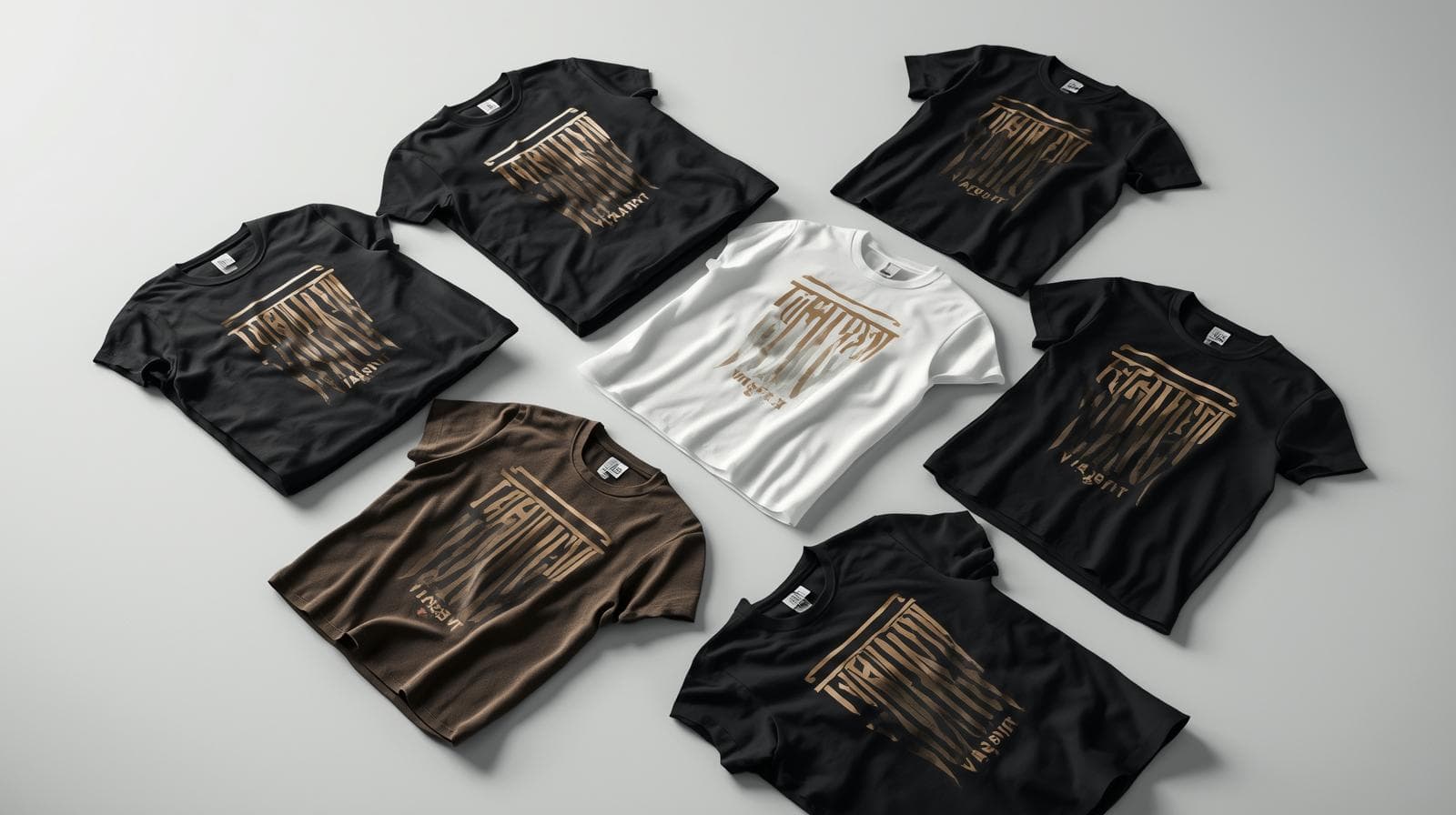
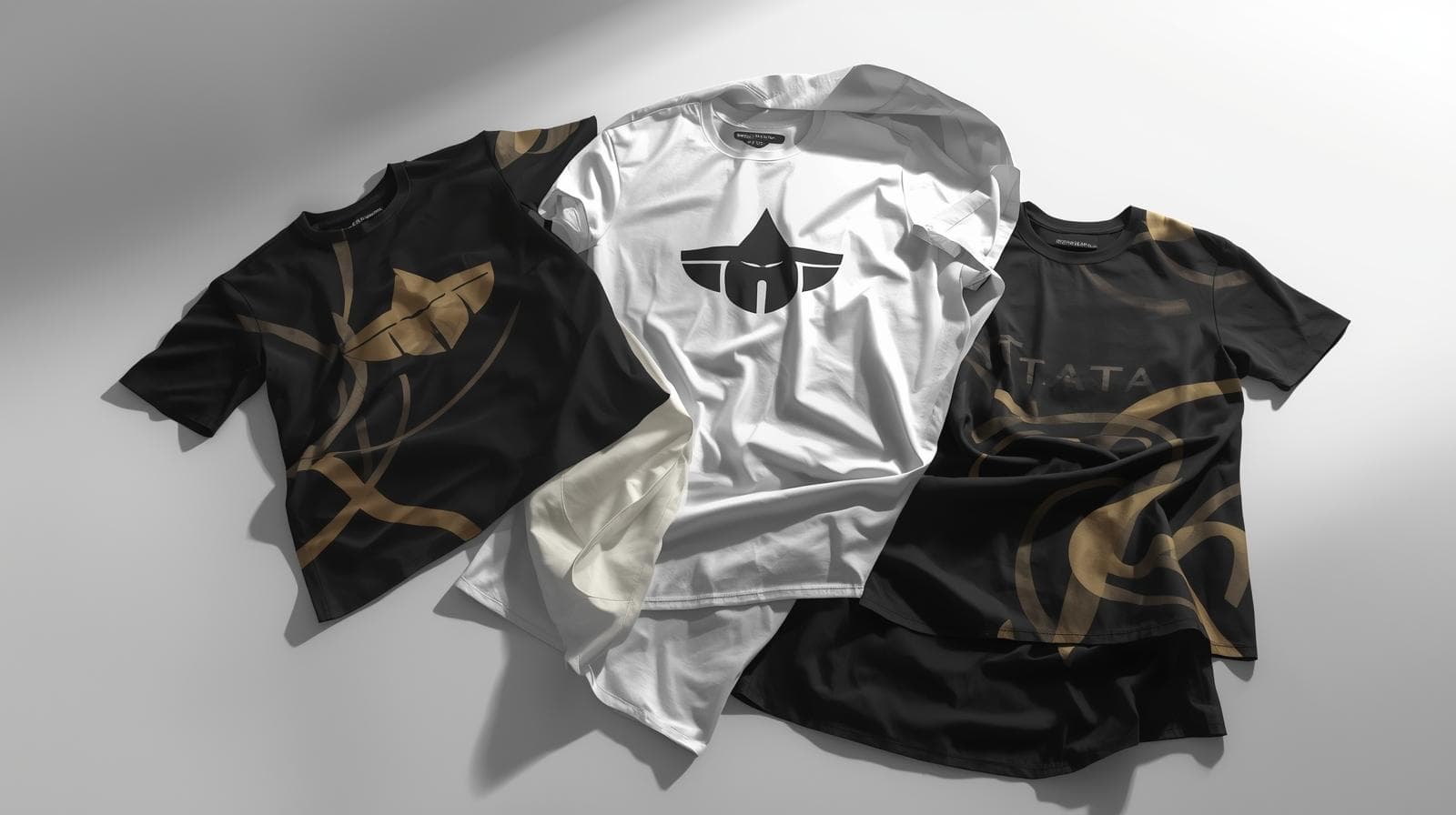
Without stitching anything, the brand can see if the design is suitable, attractive, and aligned with the Tata Seira look.
Instant Collection Building
A complete T-shirt collection can be made from fabric photos alone. Multiple colors, print styles and fits can be visualized in one day. This helps in building weekly or monthly drops, similar to fast-fashion brands.
Catalog-Ready Visuals
AI T-shirt previews look clean and professional. They can be used directly in:
-
Instagram pages
-
Facebook ads
-
Online stores
-
WhatsApp groups
-
Retail presentations
This increases the brand’s premium appeal.
Step-by-Step T-Shirt Visualization Process
Step 1: Fabric Photo Preparation
A fabric photo should be:
-
Bright
-
Clear
-
Flat
-
Static without wrinkles
-
Captured in natural light if possible
Good photos create better-quality T-shirt previews.
Step 2: Upload Fabric
The image is uploaded on the Tameta platform.
Link: https://textile-ai.tameta.tech/
Step 3: Select T-Shirt Template
Choosing the right style ensures accurate results. Each template shows how the fabric behaves in different fits.
Step 4: AI Analysis
The system studies the fabric and places it correctly on the T-shirt, including the torso, sleeves and neckline.
Step 5: Review Result
The final preview shows:
-
Texture
-
Shadows
-
Print alignment
-
Color accuracy
This helps in planning production or showing customers.
Step 6: Save or Download
The preview can be stored or downloaded for catalog use.
Link: https://textile-ai.tameta.tech/catalogs
Impact on Indian Textile Businesses
Support for Tailors
Tailors can use AI to show customers exactly how stitched T-shirts will look. This reduces confusion, improves communication and speeds up order confirmation.
Support for Boutiques
Boutiques can publish T-shirt collections faster. They do not need to waste fabric or pay for photoshoots. Customers get a clear idea of the design instantly.
Support for Wholesalers
Wholesalers can show hundreds of T-shirt options to retailers without producing stock. This increases variety and helps in placing bulk orders confidently.
Support for Online Sellers
Online sellers need clear and clean product photos. AI previews act like professional studio photos, helping small sellers compete with big brands.
AI and Indian Textile Industry: Verified Trends
Fast Pattern Creation
AI can generate 100+ pattern variations instantly.
Reference:
https://textile-ai.tameta.tech/blog/how-ai-can-generate-100-pattern-variations-instantly
Growing Use Among Designers
More than 10,000 designers use Tameta and similar platforms to speed up work. This shows that AI is becoming a daily tool in India’s garment industry.
Research and Global Acceptance
Academic studies confirm that AI can detect textiles, recognize weave structures, and understand fabric behavior.
Reference:
https://arxiv.org/abs/2301.06160?utm_source=chatgpt.com
Common Questions
Is AI accurate?
AI previews are visually accurate. Final fabric feel must still be checked physically.
Does this work for all fabrics?
It works for cotton, rayon, polyester, linen, and most printed fabrics.
Does it help in mass production?
Yes. Many manufacturers now use AI to finalize designs before bulk stitching.
Can it reduce financial risk?
Yes. Only tested and liked designs are stitched, avoiding loss.
Practical Tips for Better Results
-
Use bright lighting while taking fabric photos
-
Keep the fabric smooth
-
Test multiple T-shirt styles
-
Ask customers for feedback before stitching
-
Combine one real sample with multiple AI previews for safety
Tata Seira: Example Workflow
A new brand wants to launch 20 T-shirt designs. Instead of 20 stitched samples, the brand uploads fabric photos, creates digital previews and shares them with its audience on Instagram and WhatsApp. Customers select their favorites. Only the top designs are produced. This prevents waste, saves money, and increases confidence.
Future of Textile Visualization in India
AI will soon support:
-
Virtual try-on experiences
-
Motion-based fabric drape effects
-
Auto-generated catalogs
-
Zero-waste sampling
-
Custom size generation
-
3D display of T-shirts
The textile industry in India is quickly adopting digital technology. Businesses that use AI early will grow faster and stay ahead of competitors.