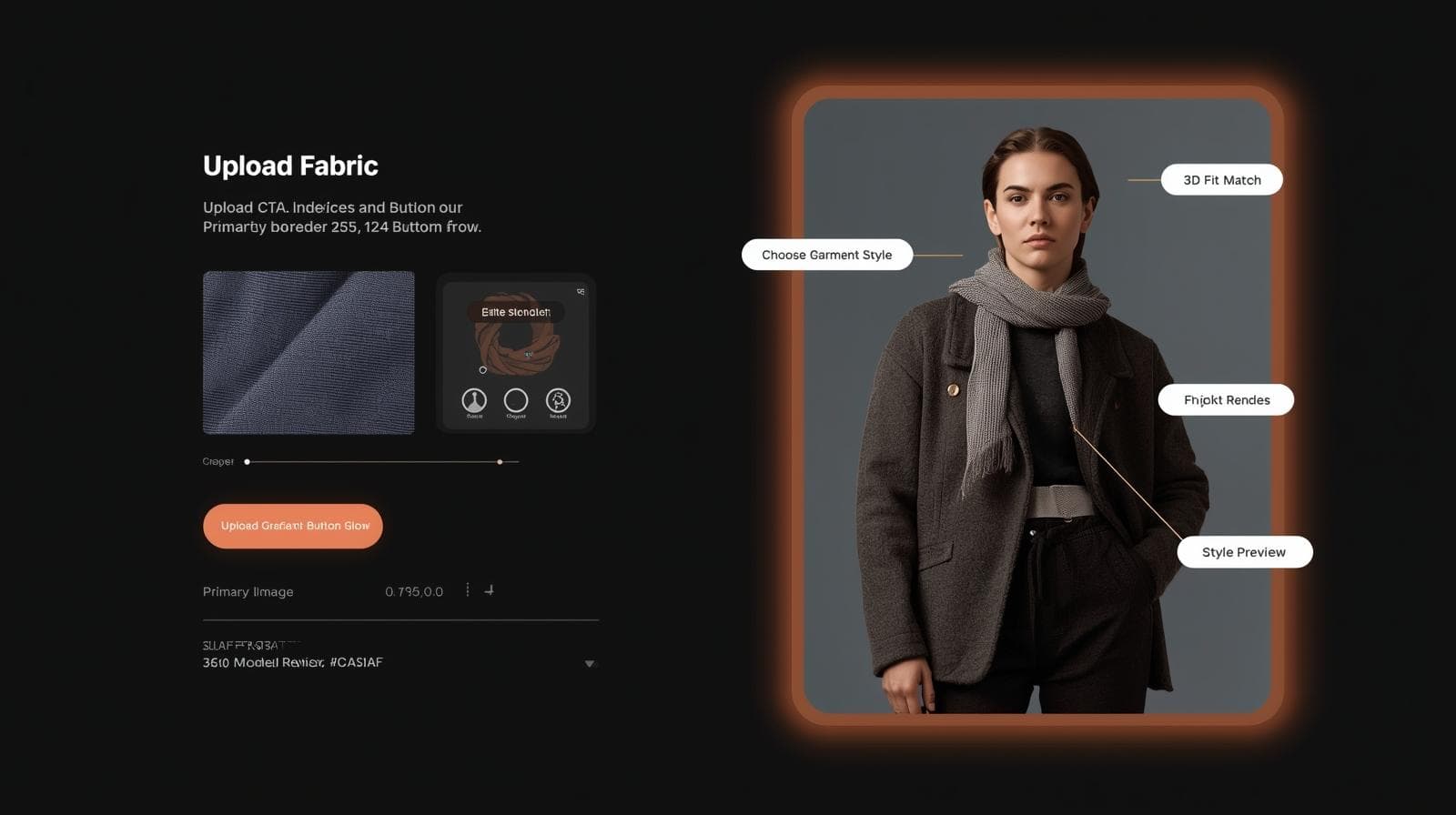
Tameta Textile AI – From Fabric to Garment with AI + Virtual Try-On
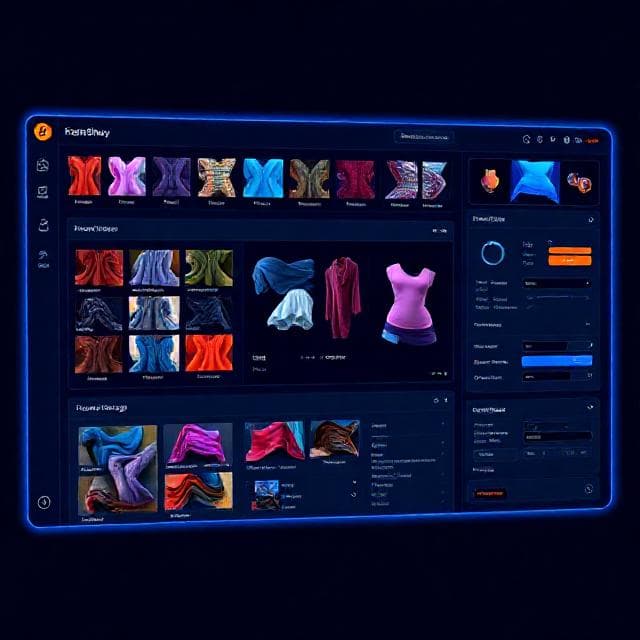
The Indian textile and fashion industry is transforming rapidly. New technologies like AI fashion and virtual try on are changing how you shop and design clothes. Tameta Textile AI is a game-changer, helping small businesses and designers bring smart textiles and digital fashion closer to you. This article explores how fabric technology meets augmented reality fashion and 3d clothing try on, creating a virtual fitting room experience that works for everyone.
Understanding AI Fashion and Virtual Try-On: A New Era in Clothing Shopping
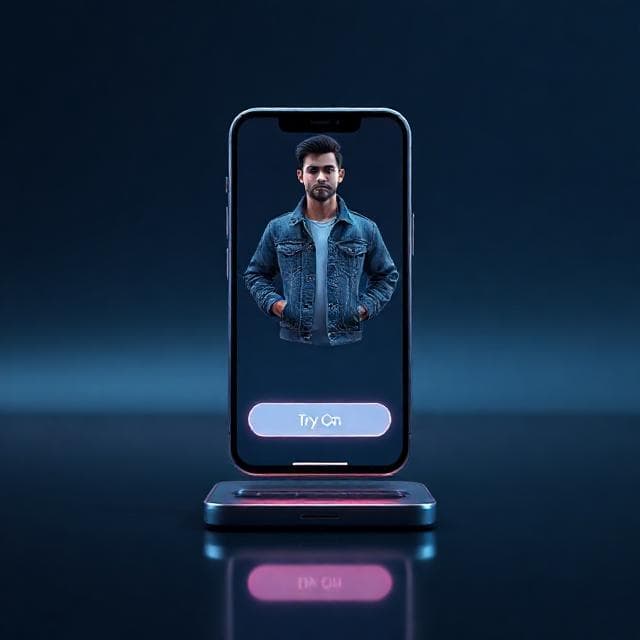
AI fashion and virtual try on bring a simple idea — trying clothes without wearing them physically — into reality. Today, you don’t need to go to a store or even touch the fabric to see how a garment looks on you. Virtual fitting room technology uses your phone or computer camera to create a digital version of you for online clothes fitting. This helps sellers reduce returns and gives buyers confidence.
1. What is Virtual Try On?
Virtual try on means using technology to see how a piece of clothing will look on you without actually wearing it. It mixes your picture or video with fabric and clothing designs, showing a realistic image instantly.
Virtual try on technology has gained importance, especially after COVID-19, when physical shopping became limited. According to Statista (2023), online apparel sales in India grew by over 25% due to digital fashion tools like virtual try on.
- Virtual try on : It lets you digitally try clothes on your phone, just like seeing yourself in a mirror during online shopping, reducing doubts and hesitation.
- AI fashion : AI fashion uses smart algorithms to suggest styles based on your taste, size, and current trends, making shopping personalised and easy.
- Virtual fitting room : Virtual fitting rooms are like digital shops where you can try multiple outfits in seconds, saving time and guesswork.
Example: A small clothing store in Nagpur adopted a virtual try on system on their website. Customers could upload photos and see sarees and kurta sets on their virtual image. This helped increase online orders by 40% during festival seasons.
Tip: Start with a simple virtual try on feature on your website to reduce return rates.
Note: Ensure mobile compatibility as many Indian users shop on their phones.
Remember: Clear images and accurate size charts improve the virtual try-on experience.
Quote: "Virtual try on is the future of convenient and confident shopping."
2. How AI Fashion is Changing Indian Textile Industry
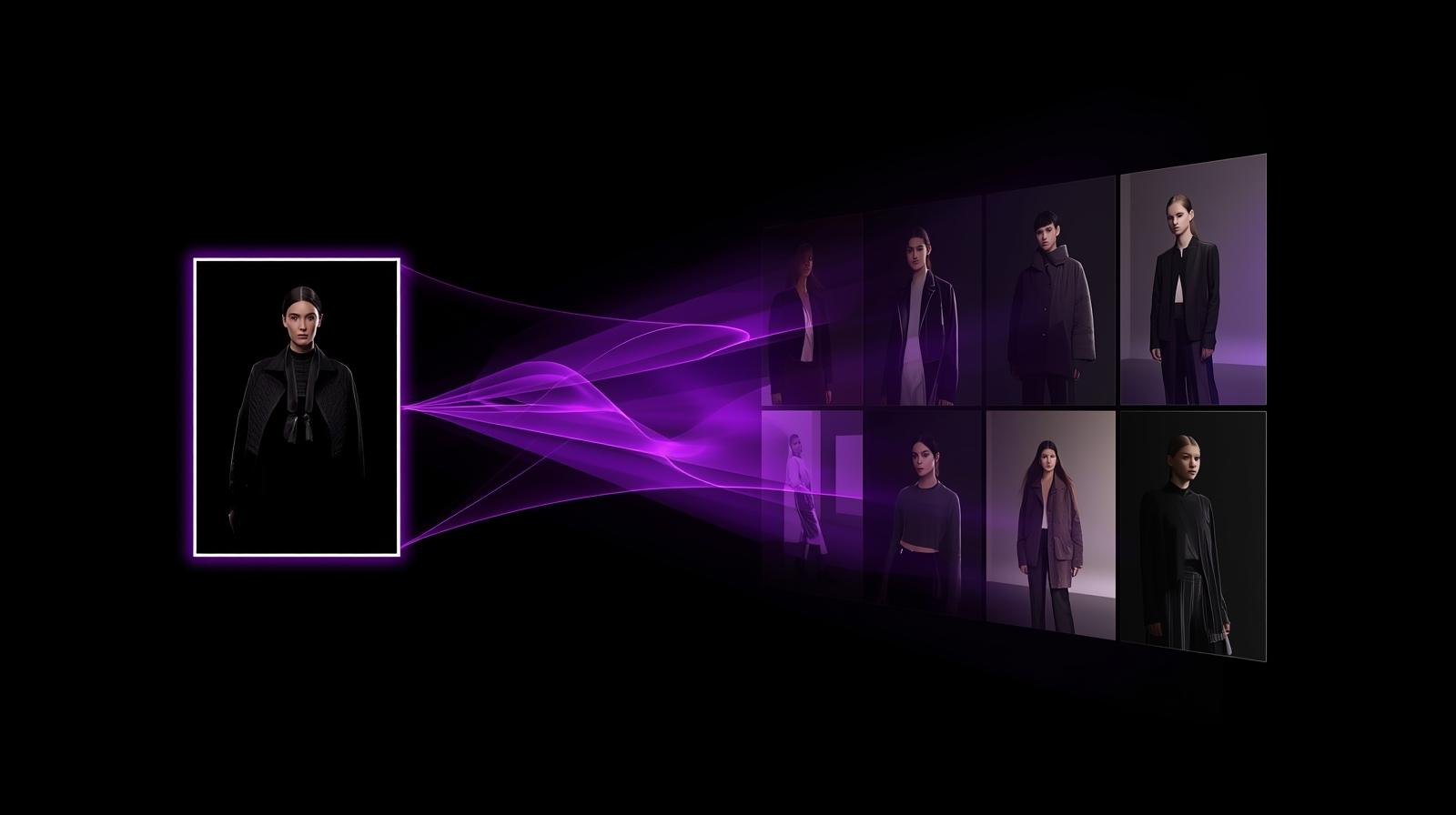
AI fashion merges computer intelligence with traditional designing. It can analyze fabric technology and customer preferences to create clothes that look good and fit well.
In India, small town designers are using AI to predict market trends faster than ever before. Fabric technology combined with AI helps produce textile with better durability, comfort, and style.
- Fabric technology : Modern fabric techniques offered by AI ensure clothes are comfortable in various Indian climates.
- Smart textiles : AI helps create smart textiles that can react, like anti-odor or moisture control suits, perfect for India’s hot and humid weather.
- Fashion AI : This software analyzes thousands of fashion trends and customer data to suggest right colors and styles for different Indian regions.
Example: A textile mill in Surat uses fashion AI to optimize cloth production for regional demands, resulting in less wastage and better stock availability.
Tip: Use AI-based clothing design software to customize collections quickly.
Note: Local language support in AI tools helps smaller businesses adapt quickly.
Remember: AI can reduce manual errors while improving design quality.
Quote: "AI is weaving smart threads into India’s textile future."
3. Benefits of a Virtual Fitting Room for Small Indian Retailers
A virtual fitting room can seem like a big investment, but its benefits are huge, especially in India’s diverse market with COD and tier-2 logistics.
It helps customers decide without physically touching or trying, reducing delivery returns and saving shipping costs. By offering online clothes fitting, retailers can serve customers in far-flung areas better.
- Virtual fitting room : Offers convenience of trying multiple outfits at home, helping buyers during festivals like Diwali or Eid.
- Online clothes fitting : Helps sellers reduce inventory costs and plan stock better by understanding client preferences digitally.
- Digital fashion : Encourages sustainable buying, reducing fabric waste from unwanted returns.
Example: An online retailer in Jaipur integrated virtual fitting rooms with custom checkout flow including UPI and COD options, seeing a 30% drop in returns within 6 months.
Tip: Integrate virtual fitting rooms with ecommerce integrations tailored for Indian payments.
Note: Train your staff to educate customers about virtual try on benefits.
Remember: A happy customer is more likely to become a repeat buyer.
Quote: "Virtual fittings bring the fitting room to your doorstep."
4. Augmented Reality Fashion and 3D Clothing Try On Explained
Augmented reality fashion overlays digital clothes onto your live image or mirror. 3d clothing try on lets you see garments in three dimensions, helping judge fabric flow and fit.
This technology suits Indian buyers who want to feel the real fabric feel but cannot visit stores regularly. Using AR fashion, exploring ethnic wear or designer brands becomes fun and interactive.
- Augmented reality fashion : Adds a layer of virtual clothes to your live environment, useful during shopping festivals.
- 3d clothing try on : Offers a detailed look at fabric drapes and stitching details on your avatar.
- Clothing design software : Designers use this to view their creations as virtual prototypes.
Example: A Bangalore-based ethnic wear brand launched an AR app during Diwali sales, increasing engagement by 50% and bringing new buyers from Tier 2 cities with limited physical access.
Tip: Use AR fashion particularly for festive and bridal collections to attract buyers.
Note: Lightweight AR apps perform better on low-budget Indian smartphones.
Remember: Patience and clear instructions can help customers use these apps better.
Quote: "AR makes dressing up a digital delight."
5. How Digital Fashion and Smart Textiles Can Boost Your Business
Digital fashion combined with smart textiles creates new opportunities for Indian businesses to grow. You can offer high-tech fabrics with benefits while showing them digitally to customers before purchase.
Smart textiles that regulate temperature or repel stains appeal strongly in India’s diverse weather. Digital fashion platforms help small Indian brands showcase their collections globally.
- Digital fashion : Helps sellers launch collections online with realistic previews to entice buyers.
- Smart textiles : Tech-enhanced fabrics offer comfort, durability, and style perfectly suited for Indian conditions.
- Clothing design software : Bridges the gap between design ideas and physical production faster and efficiently.
Example: A Mysore silk brand used smart textile innovation and digital fashion marketing, doubling exports within a year by attracting tech-savvy urban customers.
Tip: Educate customers about benefits of smart textiles during online interactions.
Note: Highlight eco-friendly fabric technology to attract growing green consumers.
Remember: Combining tradition with technology creates unique selling points.
Quote: "Smart textiles are the new thread of India’s fashion industry."
Building Virtual Try-On Into Your Business Today
If you run an apparel business in India, embracing virtual try on can be simple and rewarding. The technology works well with India’s COD, UPI, and regional language preferences. Starting small and focusing on customer education helps.
1. Choosing the Right Virtual Try On Technology
You need software that fits your budget, supports Indian payment gateways, and works on popular mobile devices.
Virtual try on platforms vary from basic image overlays to full AI-powered 3D avatars.
- Virtual try on : Choose solutions tailored for Indian market to support GST billing and tier-2 logistics.
- Fashion AI : Helps optimize product suggestions based on local trends.
- Ecommerce integrations : Smoothly combine virtual try on features with your current website and payment systems.
Example: A Delhi-based startup integrated a virtual try on plugin with their existing ecommerce platform, adding support for local languages like Hindi and Tamil to improve reach.
Tip: Start with a trial version before committing to expensive software.
Note: Test the tool on different Indian smartphone models.
Remember: Easy user interface encourages repeat use.
Quote: "Right tools make virtual try on a breeze for Indian sellers."
2. Training Your Team and Customers
Virtual try on works best when your staff and customers understand it well. Training video calls and simple guides in regional languages can help.
On-ground demonstration during local festivals or markets boosts awareness.
- Virtual fitting room : Educate customers on how to use it for quick and confident purchases.
- Fashion AI : Train your team to use AI insights for inventory planning.
- Digital fashion : Share content showing the benefits of trying clothes virtually.
Example: A Surat textile wholesaler held workshop sessions for local retailers before launching virtual fitting rooms on their platform, leading to faster adoption and increased sales.
Tip: Use WhatsApp groups to share tips and troubleshoot common issues.
Note: Encourage feedback from users to improve experience.
Remember: Support builds trust in new technology.
Quote: "Knowledge is key to unlocking virtual try on’s potential."
3. Marketing Your Virtual Try-On Service
Promote your virtual try on on social media, especially during festive sales. Showcase real customers trying clothes virtually to build trust.
Localized ads and festive bundles attract more users.
- Virtual try on : Highlight convenience and confidence it offers in buying garments online.
- Augmented reality fashion : Use demo videos to show AR features for ethnic wear.
- Online clothes fitting : Push unique selling points like no-contact shopping and size accuracy.
Example: During Navratri, a Gujarat boutique ran ads showing their new virtual try on for chaniya cholis, boosting online engagement and sales by 35%.
Tip: Use local influencers to demonstrate the technology.
Note: Customize marketing messages for different Indian states.
Remember: Festival seasons are ideal for virtual try on campaigns.
Quote: "Good marketing turns virtual try on from tech tool to trusted friend."
4. Measuring Success and Improving Continuously
Track customer feedback, return rates, and online engagement to measure how well virtual try on is working for you.
Use fashion AI’s analytics to tune your designs and inventory.
- Fashion AI : Analyze data to predict future trends and customer preferences accurately.
- Virtual try on : Monitor usage patterns to improve user experience.
- Clothing design software : Adjust product designs based on virtual try on insights.
Example: An apparel export company in Ludhiana used analytics from their virtual try on platform and saw a 20% increase in customer satisfaction scores within 8 months.
Tip: Regularly update virtual try on content for new collections.
Note: Be open to experimenting with different fabric technology options.
Remember: Data-driven decisions lead to steady growth.
Quote: "Measure, learn, and keep innovating with virtual try on."
5. Keeping Up With Future Trends
Stay updated on advances in AI, fabric technology, and digital fashion platforms. New features like smart textiles combined with AR will keep changing customer expectations.
Early adoption can give you an edge in the competitive Indian market.
- Smart textiles : Explore fabrics that adapt to temperature or light.
- Digital fashion : Watch for virtual runways and clothing NFTs impacting markets.
- 3d clothing try on : Look for faster, more accurate 3D fitting tools.
Example: A Mumbai fashion label plans to launch a line of smart textiles combined with virtual try on for the upcoming wedding season to attract tech-savvy millennials.
Tip: Attend Indian textile expos featuring latest AI fashion tech.
Note: Collaborate with tech startups for exclusive features.
Remember: Future-ready businesses stay relevant longer.
Quote: "Innovation threads the fabric of tomorrow’s fashion."
Tameta Textile AI and virtual try on technology can help you bridge the gap between fabric and garment, connecting your small business to digital fashion’s vast opportunities in India. Embrace this change and step into a smarter, easier clothing future today.
FAQs
1: What is 'virtual try on' technology and how does it work?
Answer: Virtual try on technology allows consumers to digitally preview clothing and accessories using augmented reality (AR) or 3D modeling. By uploading their measurements or using avatar customization, users can see how garments will look and fit in real-time, enhancing online shopping experiences. This technology leverages AI-driven virtual fitting rooms and digital fashion tools to simulate fabric behavior and fit, reducing returns and increasing customer satisfaction.
2: How does AI fashion and digital fashion enhance online clothes fitting?
Answer: AI fashion and digital fashion utilize advanced algorithms to create realistic 3D clothing simulations, allowing users to virtually try on garments. These technologies analyze body dimensions, fabric properties, and style preferences, enabling personalized virtual fitting rooms that improve fit accuracy and visual appeal. As a result, online clothes fitting becomes more interactive, accurate, and engaging, helping shoppers make confident purchase decisions.
3: What role does fabric technology play in virtual try on and augmented reality fashion?
Answer: Fabric technology advances, including smart textiles and realistic texture rendering, play a crucial role in virtual try on and AR fashion by simulating how fabrics behave and look in real life. These innovations enable more authentic visualizations of clothing, capturing properties like stretch, translucency, and texture, which enhances the virtual fitting experience. This allows customers to assess garments more effectively before purchasing.
4: What are the benefits of using clothing design software in conjunction with virtual fitting rooms?
Answer: Clothing design software streamlines the creation of accurate 3D models, enabling designers to develop virtual prototypes that can be integrated into virtual fitting rooms. This synergy accelerates the design process, reduces material waste, and facilitates digital fashion experimentation. For consumers, it offers realistic previews of customized garments, ensuring better fit, style, and fabric choices before production or purchase.
5: How is AI transforming the future of fashion with virtual fitting room technologies?
Answer: AI is revolutionizing fashion by enabling highly personalized virtual fitting rooms that adapt to individual preferences, body shapes, and styles. Machine learning algorithms improve fit accuracy, slip into augmented reality fashion experiences, and optimize fabric modeling. This technological evolution promises a seamless, immersive online shopping journey, fostering sustainable practices, reducing returns, and making digital fashion more accessible and innovative for brands and consumers alike.
Conclusion
The integration of AI, virtual try on, and advanced fabric technology is transforming the fashion landscape, offering more personalized, immersive, and convenient shopping experiences. Virtual fitting rooms powered by augmented reality and 3D clothing try on tools allow consumers to virtually preview garments with remarkable accuracy, reducing guesswork and increasing satisfaction. As digital fashion continues to evolve, clothing design software and smart textiles are enabling brands to innovate faster and create more sustainable collections. Embracing these technologies not only enhances customer engagement but also opens new avenues for sustainable practices and operational efficiency. Whether you're a designer, retailer, or shopper, leveraging AI-driven virtual try on solutions helps bridge the gap between online and in-store experiences. The future of fashion is digital, and now is the perfect time to adopt these cutting-edge innovations to stay competitive and meet the rising demand for virtual fitting solutions. Take action today to explore how virtual try on and related AI technologies can elevate your fashion journey.