Introduction
Why Textile AI Is Changing the Industry
Textile designers and manufacturers are rapidly embracing textile AI to improve creativity, shorten sampling cycles, and produce high-quality fabric concepts at scale. Traditional design relied heavily on manual sketches, repeated sample creation, and lengthy feedback loops. Today, AI tools compress those steps into minutes, offering speed, accuracy, and new creative possibilities.
What Makes Textile AI So Powerful
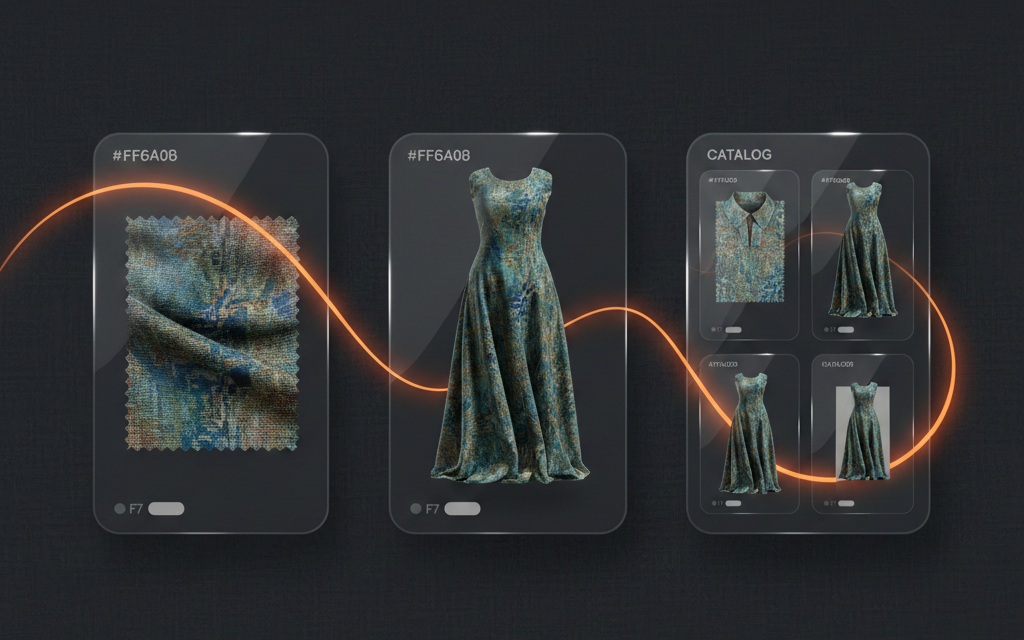
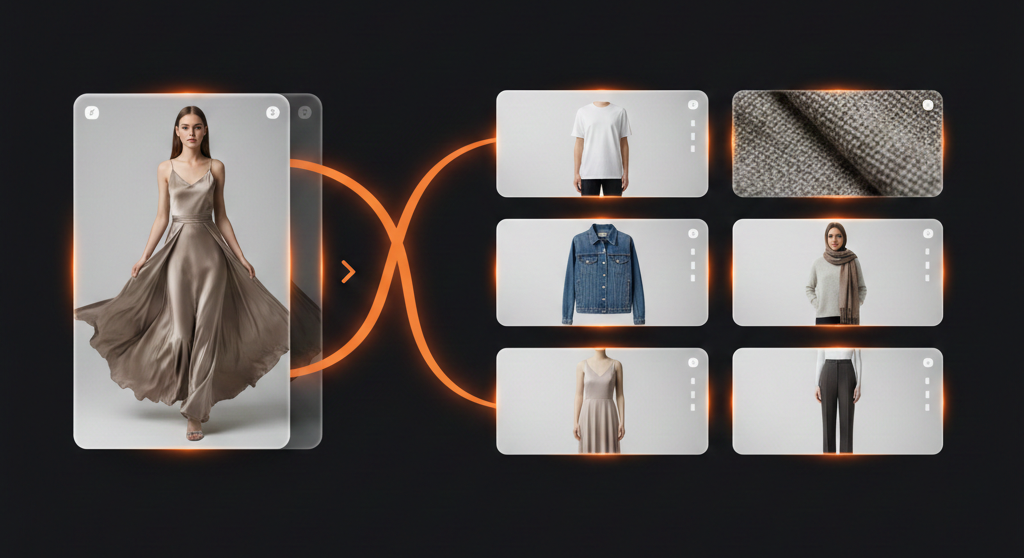
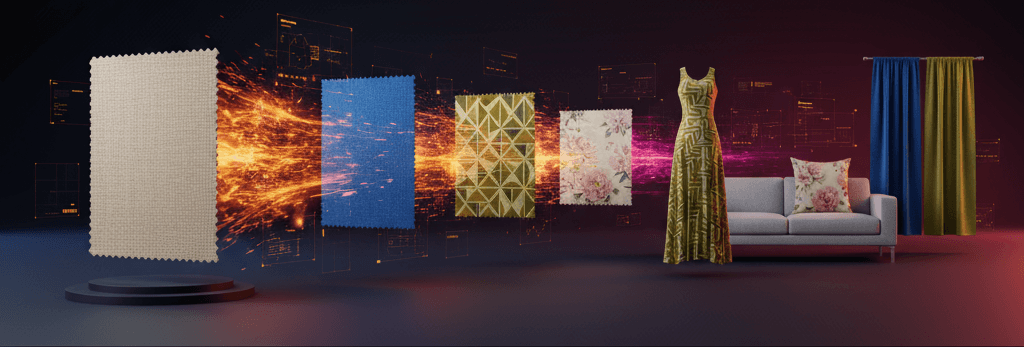
One of the strongest advantages of textile AI is its ability to take a single fabric sample and generate:
-
multiple variations
-
new design ideas
-
alternative motifs
-
expanded color palettes
-
product-ready mockups
-
3D simulations
-
cross-category fabric applications
This capability allows designers to build full collections from a single concept, accelerating product development and reducing production costs.
What Is Textile AI?
Textile AI refers to advanced tools that use machine learning, generative models, and computer vision to analyze, enhance, and transform fabric designs. These tools can extract patterns, generate new variations, simulate drape, and visualize the same fabric in multiple styles or products.
Textile AI helps you:
-
Convert fabric photos into clean patterns
-
Create variations of the same design
-
Generate new ideas from existing motifs
-
Apply one fabric to different garments or home decor items
-
Save time and reduce production waste
How to Use Textile AI: Step-by-Step Guide
Step 1: Upload Your Fabric Image
To begin using textile AI, upload a clear, well-lit photograph of your fabric. The quality of the input image directly influences the accuracy of AI-driven extraction and design generation.
What Textile AI Detects From Your Image
Modern fabric design AI can automatically identify:
-
Texture patterns and micro details
-
Color tones and gradients
-
Print structures and motif placement
-
Weave type and thread direction
-
Symmetry, alignment, and repeat blocks
Why Image Quality Matters
High-resolution fabric photos allow the AI textile design tool to perform cleaner pattern extraction, eliminate distortion, and deliver production-ready outputs.
Avoid:
-
Blurry photos
-
Shadows
-
Wrinkles
-
Flash reflections
Better imagery results in better design predictions.
Step 2: Let AI Extract the Base Pattern
Once uploaded, the system uses advanced fabric pattern extraction AI to clean your fabric image. It removes wrinkles, lighting issues, and background noise.
What AI Does During Pattern Extraction
-
Straightens pattern angles
-
Corrects color shifts
-
Removes uneven lighting
-
Identifies repeating units
-
Generates a seamless, tileable pattern
Where You Can Use the Extracted Pattern
The base design can be used for:
-
Digital textile printing
-
Surface pattern design
-
Seamless fabric repeats
-
Colorway expansions
-
Trend boards & mood boards
With AI, your extracted pattern becomes flexible and ready for infinite transformations.
Step 3: Generate Design Variations With AI
This is where textile AI becomes exceptionally powerful. A single fabric can turn into dozens of new design ideas automatically.
Types of Design Ideas AI Can Generate
With an AI fabric generator, you can create:
-
New colorways (pastel, monochrome, bold, seasonal)
-
Motif rearrangements and reorganized layouts
-
Enlarged or micro pattern conversions
-
Dense or minimal variations
-
Contemporary, traditional, geometric, floral, or abstract transformations
Why This Matters for Designers
AI eliminates the need to redraw designs manually.
You can instantly create:
-
Entire design collections
-
Theme-based variations
-
Buyer-specific customization
-
Export-ready catalogs
This ability dramatically shortens development time while increasing design diversity.
Step 4: Apply the Fabric to Different Products
After the pattern variations are ready, fabric-to-product visualization helps you see how each design will look on actual items.
Popular Fabric-to-Product Simulations
AI can showcase the same design on:
-
Dresses and gowns
-
Kurtis and tunics
-
Sarees and ethnic wear
-
Men’s shirts
-
Kidswear items
-
Home décor (bedsheets, curtains, cushion covers)
-
Fashion accessories (scarves, stoles, handbags)
Why Product Visualization Matters
Seeing the fabric applied to real products helps designers, buyers, and manufacturers:
-
Evaluate final looks
-
Select the right product category
-
Reduce sampling costs
-
Improve client approvals
It also prevents mismatched design decisions before physical production.
Step 5: Simulate Fabric Drape and Texture
Textile AI includes digital fabric simulation, which previews how your design behaves in real-world scenarios.
What AI Can Simulate
-
Light reflection and shadow behavior
-
Motion and dynamic fabric flow
-
Drape quality on different body shapes
-
Folding, pleating, and creasing
-
Stretch properties and fabric tightness
Benefits of Fabric Simulation
-
Eliminates unnecessary fabric samples
-
Helps visualise texture realism
-
Improves digital catalog quality
-
Saves time during approval cycles
This feature is particularly useful for online stores, fashion designers, and exporters.
Step 6: Export Your Final Designs
Once satisfied with the outputs, you can export designs in multiple professional formats suitable for both digital and physical production.
Export Options Available in Textile AI
-
Seamless repeat files (TIFF, PNG, JPEG)
-
High-resolution print-ready artwork
-
3D garment mockups
-
Pattern variations and color palettes
-
Fabric simulations for presentations
How Designers Use Exported Files
-
Printing on fabric (DTG, DTF, sublimation, rotary)
-
Creating digital catalogs for buyers
-
Uploading to e-commerce stores
-
Sending for manufacturing
-
Integrating into collection presentations
These exports streamline the entire AI textile workflow, making your designs ready for market faster than ever.
How a Single Fabric Can Become Multiple Ideas Using Textile AI
One of the most valuable capabilities of textile AI is its ability to turn a single fabric sample into an entire collection of diverse, market-ready design ideas. Instead of relying on manual sketching, repeated redrawing, or multiple sampling rounds, AI can analyze the fabric’s structure, motifs, and color profile to generate fresh variations, trends, and product possibilities. This allows designers, manufacturers, and brands to maximize creativity while reducing development time and production costs.
Below are the major ways a single fabric can evolve into numerous concepts through textile AI.
1. Color Transformations
Color plays a defining role in how a fabric is perceived. Textile AI allows designers to produce dozens of colorways from the same base pattern within seconds.
What AI Can Do With Colors
AI can automatically create:
-
Pastel palettes for summer collections
-
Bold, saturated tones for festive or statement wear
-
Minimal, muted colorways for premium or corporate wear
-
Monochrome styles for modern or editorial collections
-
Trend-based shades inspired by seasonal forecasts
Why Color Variation Matters
Colorways allow manufacturers and brands to:
-
Target different audiences with the same design
-
Build complete seasonal lines
-
Present multiple options to buyers without manual recoloring
-
Reduce the need for separate artwork creation
This makes it possible to turn one pattern into a full multi-color collection.
2. Pattern Rearrangement
Textile AI goes beyond simple recoloring. It can restructure the fabric’s motifs and elements to give the design a completely new personality.
Intelligent Pattern Adjustments AI Can Perform
-
Reducing or enlarging motifs for micro or oversized looks
-
Mirror effects to create balanced, symmetrical layouts
-
Rotation of motifs for dynamic or unconventional styles
-
Tile-style repeats for seamless printing
-
Randomized placements for organic, modern aesthetics
Why Pattern Rearrangement is Advantageous
With these transformations, the same fabric can appeal to:
-
Different markets
-
Various printing styles
-
Multiple product categories
Pattern rearrangement gives the original fabric a refreshed identity without requiring new artwork.
3. Style Conversions
A unique benefit of AI fabric design tools is the ability to completely change the artistic style of a design while keeping the original fabric as the base inspiration.
Examples of AI style conversions
-
Floral designs reshaped into geometric or abstract motifs
-
Traditional prints converted into contemporary minimal designs
-
Kidswear-friendly cartoon themes derived from adult patterns
-
Luxury premium looks created through refined, high-detail rendering
-
Heritage motifs modernized for global markets
Why Style Conversion Matters
This capability helps designers build:
-
Wider product catalogs
-
Trend-relevant variants
-
Region-specific design styles
-
Niche-focused collections
AI expands creative direction without requiring multiple designers or long development cycles.
4. Fabric-to-Garment Transformations
Visualizing designs on products is crucial in textile development. Textile AI can instantly apply a single fabric to multiple garment types to show how it behaves across categories.
Product Categories AI Can Simulate
-
Women’s fashion: dresses, tops, skirts, gowns
-
Men’s wear: shirts, kurta sets, jackets
-
Kids wear: frocks, t-shirts, sets
-
Ethnic wear: sarees, lehengas, kurtis
-
Western apparel: blazers, trousers, jumpsuits
How This Helps Designers
Fabric-to-garment visualization helps:
-
Select the right usage for a pattern
-
Prevent mismatched product decisions
-
Enable convincing presentations to buyers
-
Reduce physical sampling requirements
This ensures each design is placed in the most suitable product category.
5. Home Furnishing Variations
Textile AI bridges the gap between apparel and home decor by repurposing a single fabric pattern into multiple interior textile applications.
AI-Driven Home Decor Adaptations
The same pattern can be transformed into:
-
Curtains with drape simulations
-
Bedsheets with extended repeat layouts
-
Table runners with aligned motifs
-
Cushion covers with centered design elements
-
Upholstery patterns optimized for furniture
Why Home Furnishing Adaptation Matters
This capability helps exporters and manufacturers turn one fabric into a multi-product furnishing lineup, improving catalog diversity and increasing market reach.
Why Textile AI Is Essential for Designers and Manufacturers
In today’s fast-paced textile and fashion ecosystem, speed, accuracy, and scalability determine how competitive a business can be. Textile AI has become a critical driver of transformation, enabling designers, manufacturers, exporters, and brands to work smarter, faster, and more sustainably. The ability to generate new concepts, reduce manual effort, and enhance visual communication makes AI an essential asset for modern textile workflows.
Below are the key reasons textile AI is no longer optional, but a necessity for the industry.
Faster Development Through Automation
Accelerating the Design-to-Production Cycle
Traditional textile design demands extensive manual sketching, multiple trials, and repeated sampling. This often stretches development cycles into weeks or even months. With fabric design AI, designers can reduce this process to mere minutes.
How AI Speeds Up Development
-
Automated pattern extraction from fabric images
-
Instant generation of multiple colorways
-
Rapid creation of seamless repeats
-
Quick product visualization (garments, home decor, accessories)
-
Real-time edits without manual rework
This speed enables brands to respond quickly to market trends and seasonal demands, improving competitiveness.
Reduced Production Cost and Resource Efficiency
Eliminating Expensive Sampling
Sampling has always been one of the most costly and time-consuming stages of textile production. Physical samples require:
-
Fabric consumption
-
Printing or weaving trials
-
Shipping for client approvals
-
Multiple rounds of corrections
With textile AI, most of this can be done digitally.
How AI Reduces Cost
-
Eliminates unnecessary physical samples
-
Minimizes reprinting due to design errors
-
Reduces designer labor hours
-
Cuts down on wasted fabric, ink, and dye
-
Speeds up approval cycles
Manufacturers save significantly while improving overall efficiency.
Infinite Creativity and Design Exploration
Unlocking Unlimited Variation Possibilities
One of the most powerful benefits of textile AI is its ability to produce endless creative variations from a single fabric or pattern. This gives designers the freedom to experiment without limits.
Creative Advantages AI Offers
-
Generate dozens of unique color schemes
-
Convert patterns into new styles (geometric, floral, abstract, minimal)
-
Create theme-based collections instantly
-
Rearrange motifs, scale elements, or re-balance layouts
-
Produce export-ready, trend-aligned designs in seconds
This ensures designers can present rich, diverse collections without spending days on manual edits.
Better Client Presentation and Faster Approvals
Presenting Ideas With High Visual Clarity
Clients and buyers often need to see designs applied to products before making decisions. Textile AI allows designers to produce photorealistic visualizations that accurately represent how fabrics will look when manufactured.
How AI Improves Client Communication
-
Multiple design concepts can be shown instantly
-
3D garment simulations enhance decision-making
-
Fabric-to-product previews reduce confusion and misunderstandings
-
Customizations and color changes can be demonstrated live
-
Faster approvals lead to faster production cycles
This professional presentation capability significantly enhances buyer confidence.
Sustainable Workflow and Eco-Friendly Production
Supporting the Future of Responsible Manufacturing
Sustainability is now a global priority. Textile AI helps brands minimize waste, optimize materials, and make better production decisions before using physical resources.
Sustainability Benefits Provided by AI
-
Fewer physical samples mean lower fabric waste
-
Optimized pattern alignment reduces printing loss
-
Accurate digital previews prevent unnecessary reworks
-
Digitized catalogs reduce printing and shipping requirements
-
Better demand forecasting lowers overproduction
AI allows manufacturers to maintain profitability while aligning with sustainability goals.
Frequently Asked Questions (FAQ)
1. Why is textile AI important for modern designers?
Textile AI helps designers work faster and more efficiently by automating pattern creation, color variations, and seamless repeats. It eliminates repetitive manual work and allows designers to generate multiple creative concepts from a single fabric. AI also improves accuracy, making the design-to-production workflow smoother and more reliable.
2. How does textile AI reduce production costs?
AI minimizes the number of physical samples required, reduces printing errors, and shortens redesign cycles. Manufacturers save money by eliminating unnecessary fabric waste, reducing labor time, and speeding up client approvals. Digital previews replace costly trial-and-error sampling.
3. Can textile AI improve creativity?
Yes. Textile AI provides infinite possibilities for color combinations, style conversions, and pattern variations. Designers can experiment with new concepts instantly, explore modern or traditional styles, and develop full collections from a single design. This allows greater creative freedom and innovation.
4. How does AI support client presentations?
AI generates high-quality digital mockups, 3D garment visuals, and product simulations. Clients can view multiple options instantly, understand how the fabric will look on real products, and provide faster approvals. This improves communication, reduces confusion, and accelerates production decisions.
5. Is textile AI helpful for sustainable production?
Absolutely. Textile AI significantly reduces physical sampling, prevents unnecessary printing, and lowers fabric wastage. Digital simulations also reduce dye usage and energy consumption. By predicting demand and optimizing design placement, AI supports a more eco-friendly and sustainable workflow.
6. Can manufacturers rely on textile AI for accurate outputs?
Yes. Textile AI is trained to detect pattern errors, extract clean repeats, correct distortions, and provide production-ready files. This ensures high accuracy in digital printing, weaving, and garment visualization. Many global manufacturers already depend on AI for quality control and faster output.
7. Does textile AI replace human designers?
No. AI enhances the designer’s capabilities but does not replace human creativity or artistic judgment. It handles repetitive tasks, offers intelligent suggestions, and generates variations — while designers make meaningful creative decisions and guide the overall aesthetic direction.
Conclusion
Textile AI is revolutionizing the fabric and fashion industry by giving designers the ability to turn a single fabric into countless creative ideas. The ability to extract patterns, create new variations, simulate drape, and visualize products makes AI an essential tool for modern textile development.
Whether you are a designer, manufacturer, retailer, or textile exporter, embracing fabric AI will help you innovate faster, reduce costs, and stay ahead in a rapidly evolving market.