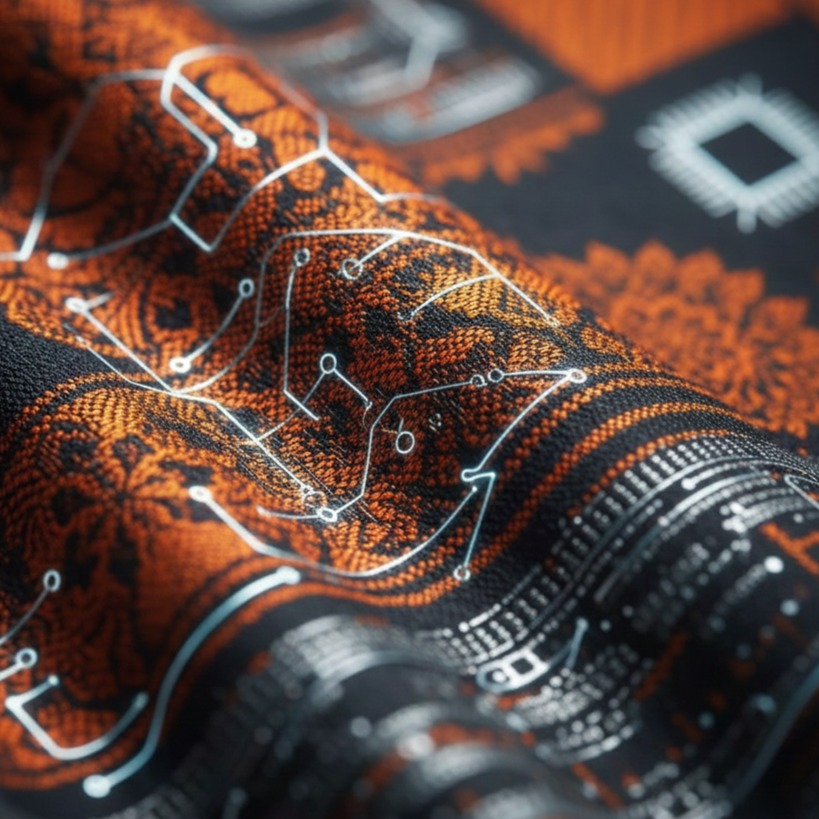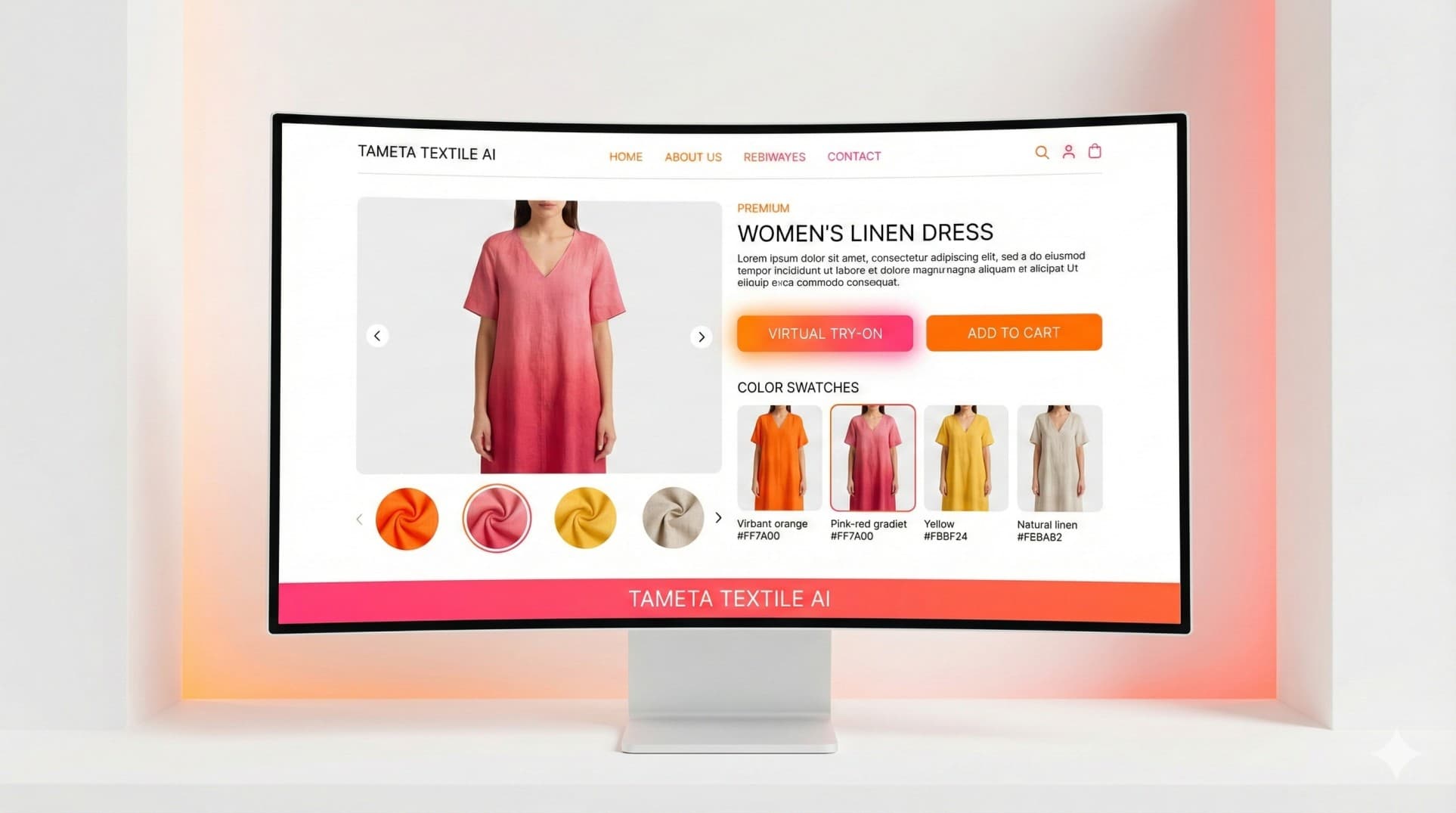
In a world where online fashion shopping is just a click away, offering a diverse fabric variety can transform casual browsers into confident buyers, boosting your website's add-to-cart rates significantly.
The Strategic Importance of Fabric Variety in Fashion E-Commerce
In online fashion retail, fabric variety is much more than a product feature—it's a strategic asset that directly impacts shopping behavior and sales conversions. Fabric variety refers to the selection of different fabric types available for a garment or product line, such as cotton, silk, polyester, wool, linen, and blends, among others. Each fabric offers unique sensory experiences, functional benefits, seasonal appropriateness, and style cues. By making fabric variants accessible and understandable, retailers cater to diverse customer preferences and occasions, which enhances engagement and reduces purchase hesitation.
Studies show that consumers prioritize fabric feel, durability, and care characteristics as key influencers in their online clothing purchases. Furthermore, in recent years, sustainable fabrics like organic cotton, bamboo, and recycled polyester are transforming consumer choices, especially among environmentally conscious shoppers. This fabric-focused differentiation sets your fashion website apart and serves as a conversion lever for your marketing and sales efforts.
Understanding Consumer Behavior Around Fabric Types
Each type of fabric carries distinct consumer appeal. For example, cotton remains beloved for its breathability and comfort, silk symbolizes luxury and elegance, while synthetic fabrics often promise affordability and durability. Educating shoppers on the characteristics and benefits of each fabric type closes the gap typically left by the lack of tactile experience in online shopping. Adding fabric specifics to product descriptions—such as texture, weight, stretchability, and care instructions—instills confidence in product quality and appropriateness.
Moreover, fabric information appeals to niche shopper needs: those seeking hypoallergenic materials, wrinkle-resistant fabrics for travel, or moisture-wicking textiles for active lifestyles. Presenting fabric variants clearly supports informed decision-making, reduces returns, and amplifies add-to-cart actions. Research indicates that well-informed shoppers are 30% more likely to add products to their cart, directly attributing to robust fabric variety communication.
Proven Tips to Showcase Fabric Variants to Boost Add-To-Cart Rates
You can strategically present fabric variants on your website to maximize shoppers’ engagement and conversions. Here are actionable tips for your team:
- Detailed Product Descriptions: Craft vivid descriptions conveying fabric feel and functionality. For instance, emphasize cotton's softness and breathability or silk's smooth texture and sheen. Include care instructions to set clear expectations, reducing concerns about maintenance.
- Visual Presentation: Invest in high-quality images showing fabric texture and drape. Videos or 360-degree views can simulate touch visually, enhancing user experience. Zoom-in features that reveal fabric weave details make shoppers feel closer to the product.
- Filter and Sort Options: Integrate fabric-type filters on category and search pages. This empowers shoppers to narrow down selections based on their preferred fabric, streamlining their journey to purchase.
- Highlight Sustainability: Make eco-friendly fabric variants prominent with badges or dedicated sections. This taps into the growing market of green consumers who prioritize environmental responsibility.
- Leverage Technology: Use digital fabric printing and virtual try-on technologies to offer customized fabric choices. Personalization increases perceived value and can elevate the add-to-cart rate.
- User Reviews Focused on Fabric: Encourage customers to comment on fabric quality and comfort in reviews. Authentic feedback reassures prospective buyers.
Remember, presenting fabric variety thoughtfully across the customer journey builds trust and reduces hesitation, which are critical for online conversions.
The Power of Fabric Variety in SEO and Marketing Strategy
Fabric variety also has marketing advantages. Incorporate fabric-related keywords strategically in product titles, meta descriptions, and blog content to optimize for SEO. Long-tail keywords like "organic cotton summer dress" or "silk evening gown" attract targeted traffic more likely to convert. Keyword clusters around fabric types raise your search presence and relevance in customer queries.
You can create engaging blog content that educates customers on fabric properties, care tips, and trends. This content establishes your brand as an authority, fosters brand loyalty, and funnels organic traffic to product pages. For example, articles explaining "How to choose the right fabric for your skin type" or "Sustainable fabric trends in 2025" combine user value with SEO impact.
Use email marketing campaigns highlighting fabric features or launching new fabric lines to excite your subscribers. Fabric-focused storytelling in marketing humanizes products and can emotionally connect with your audience.
Remember, SEO best practices recommend a mix of short-tail and long-tail fabric keywords peppered naturally in quality content, boosting both traffic and conversion potential.
Actionable Steps for Your Fashion E-Commerce Team
You can implement fabric variety strategies that enhance your site's add-to-cart rates:
- Audit Existing Listings: Review product pages to ensure fabric types are clearly specified and described with care details and benefits.
- Expand Your Fabric Range: Analyze customer feedback and trend reports to introduce high-demand fabrics, including sustainable and performance textiles.
- Improve Presentation: Upgrade product images with fabric close-ups and videos. Develop filtering options on your site for fabric types.
- Create Educational Content: Develop blogs, guides, and videos focused on fabric types, benefits, and care.
- Leverage Customer Reviews: Highlight fabric-focused customer testimonials prominently on product pages.
- Train Marketing Teams: Equip your team to use fabric-related keywords effectively and build campaigns that emphasize fabric variety.
- Adopt Technology: Consider digital fabric printing for customizable options and use virtual try-on to enhance tactile sense.
By weaving fabric variety into your entire e-commerce and marketing strategy, you position your brand to meet shopper needs, reduce uncertainty, and drive higher add-to-cart rates confidently.
Key Statistics Supporting Fabric Variety Benefits
- Consumers are 30% more likely to add fashion items to their cart when fabric details are rich and clear.
- Sustainable fabric interest has grown by over 40% year over year, indicating a major segment shift toward eco-conscious purchasing.
- Fashion e-commerce conversion rates improve by an average of 15% when customers can filter products by fabric types.
- Detailed fabric content improves SEO rankings, driving 25% more organic traffic from searches involving fabric-specific queries.
Utilizing these data points can help justify investments in fabric variety strategies to stakeholders and align your team around impactful e-commerce practices.