Introduction: The Transformation of the Textile Industry
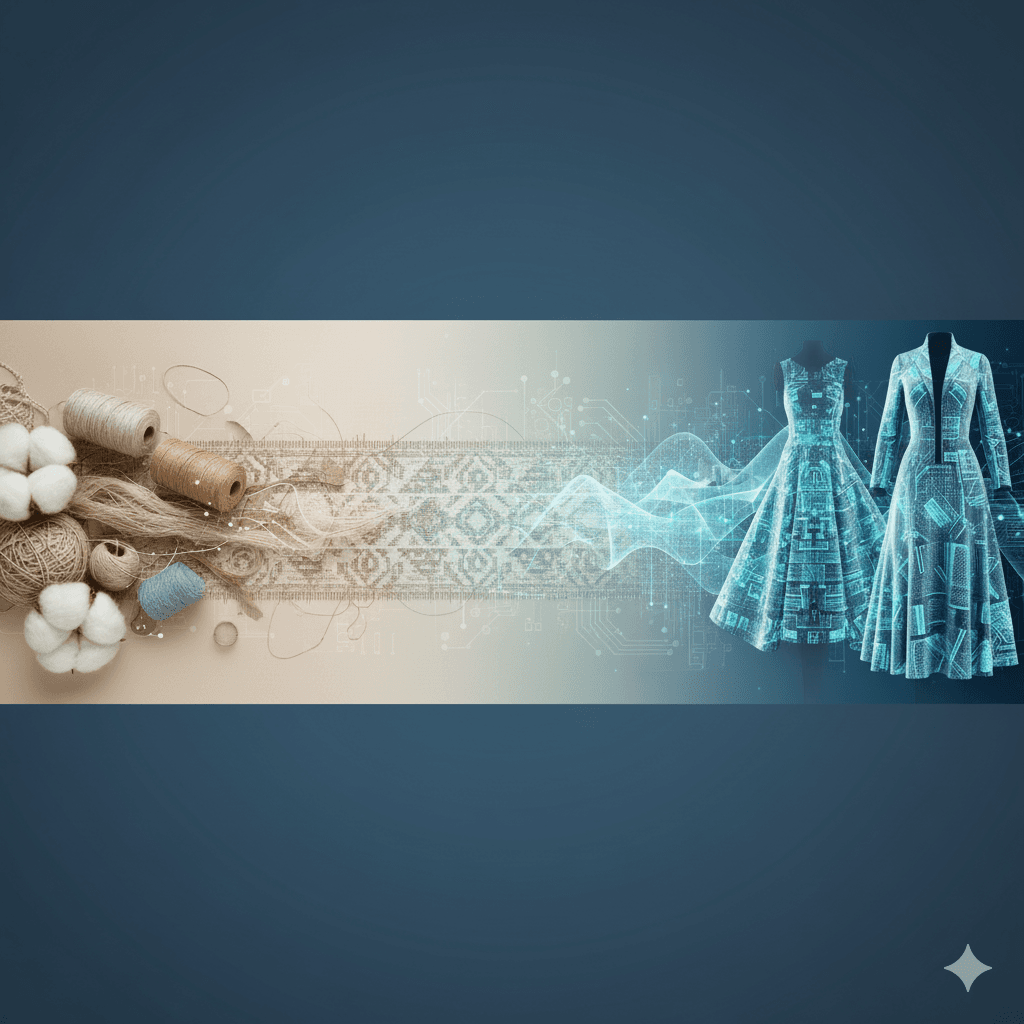
The textile industry is entering a new era driven by artificial intelligence. What once relied on manual creativity and labor-intensive work is now enhanced through intelligent automation, real-time data, and advanced digital tools. Innovators such as Dhruv Kachwala, who continue to explore AI-based textile solutions, are playing a key role in shaping this evolution.
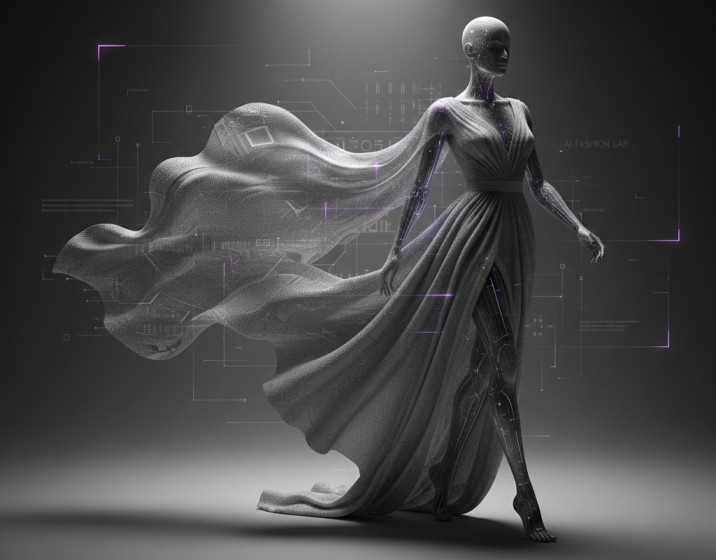
Textile design AI is transforming how fabrics are conceptualized, developed, simulated, and produced. From automated pattern generation and color prediction to smart weaving and efficient digital printing, AI is reshaping the global textile ecosystem.
Understanding Textile Design AI
What Is Textile Design AI?
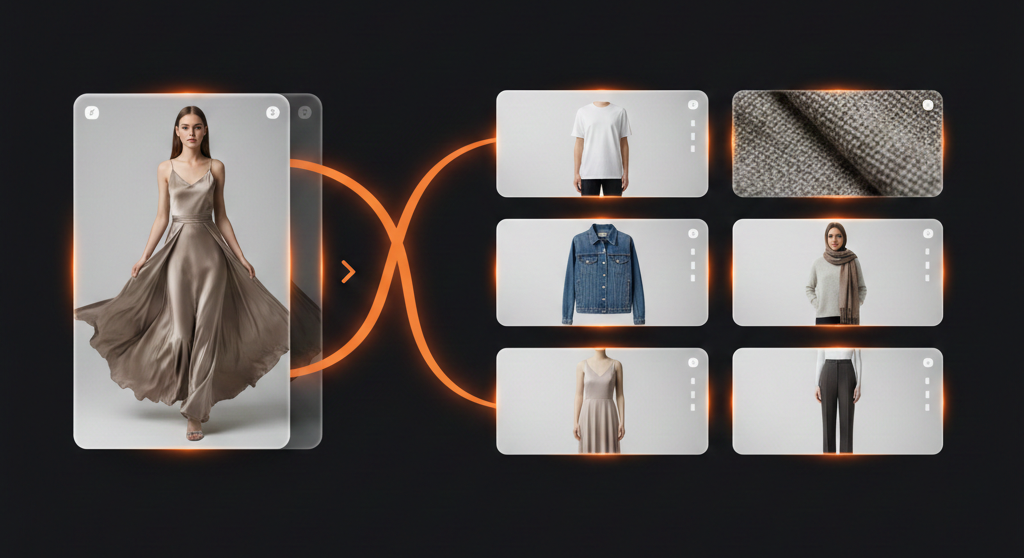
Textile design AI refers to the use of machine learning, deep learning, and computer vision technologies to streamline or fully automate textile creation. These systems analyze fabric characteristics, generate design variations, recommend color palettes, simulate textile behavior, and enhance digital printing workflows.
Why AI Matters in Modern Textile Development
AI reduces human errors, accelerates the design process, and helps brands achieve higher accuracy in production. With better data insights, companies can forecast demand, prevent wastage, and improve customer satisfaction.
AI for Pattern and Texture Innovation
AI-Driven Pattern and Texture Generation
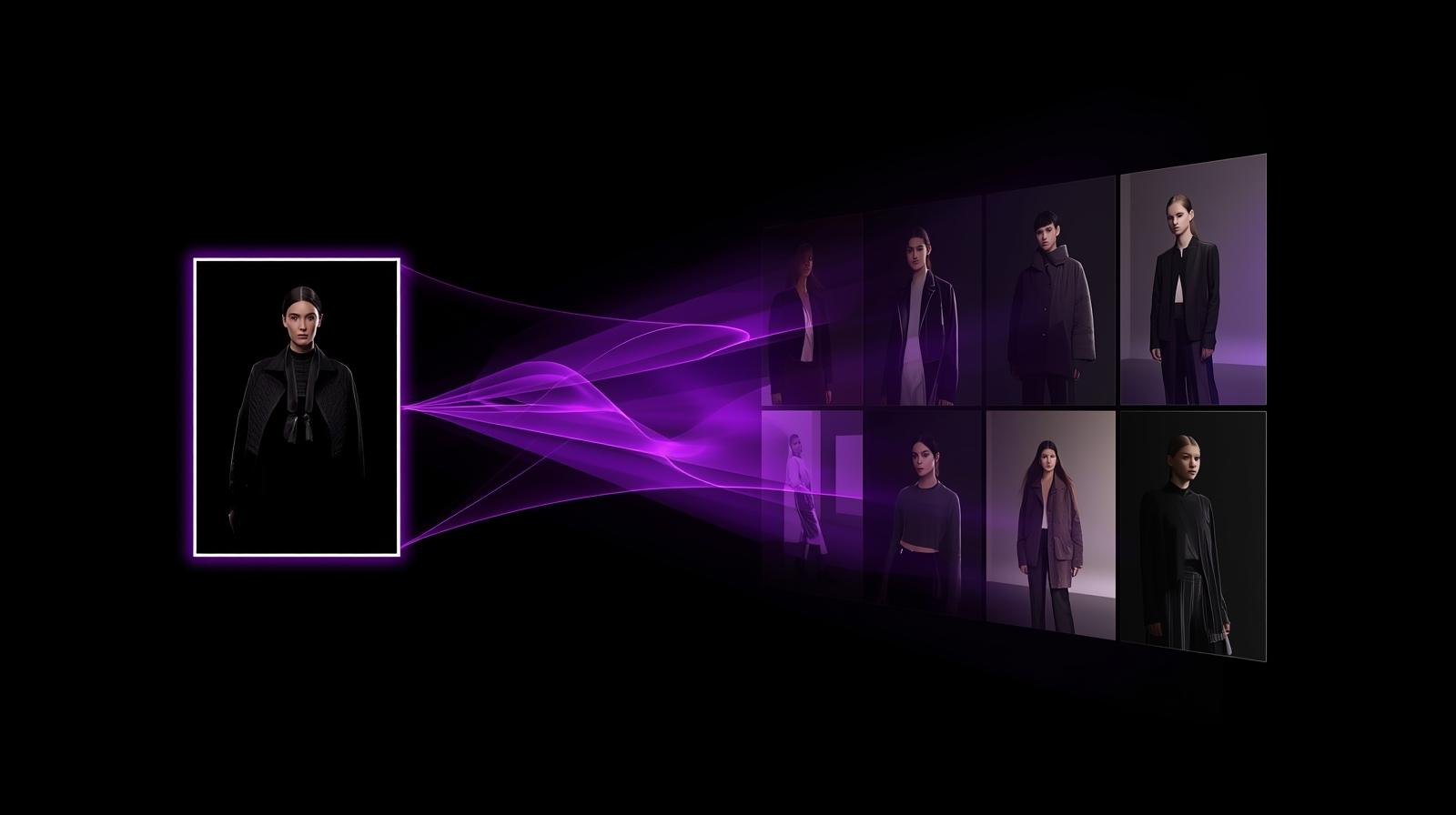
One of the strongest applications of textile design AI is automated pattern creation. AI tools can learn from thousands of design samples and generate unique patterns, textures, and motifs that maintain professional quality.
Types of Patterns AI Can Generate
-
Seamless repeat patterns
-
Abstract and geometric layouts
-
Nature-inspired designs
-
Cultural and heritage-based motifs
-
Minimalist, luxury, or traditional themes
AI frees designers from repetitive work and gives them the freedom to explore new creative possibilities.
Intelligent Color Management and Forecasting
The Importance of Color in Textile Design
Color significantly influences the appeal of any fabric. AI enables precise color extraction, shade matching, and palette building.
How AI Predicts Textile Color Trends
AI-based forecasting models analyze:
-
Global fashion trends
-
Social media patterns
-
Retail purchase behavior
-
Seasonal preferences
-
Influencer impact
These insights help brands create textiles aligned with upcoming demand.
AI-Based Fabric Simulation
Digital Fabric Simulation and Virtual Sampling
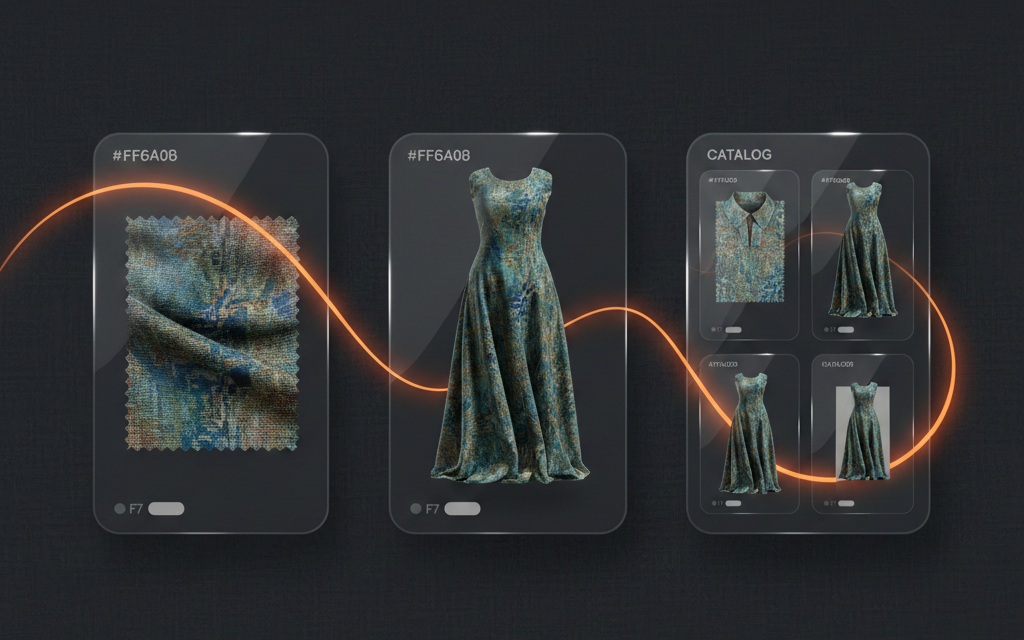
AI-powered simulation tools allow designers to preview fabric drape, texture behavior, weight response, and overall visual appearance before production.
Benefits of AI Fabric Simulation
-
Eliminates unnecessary physical samples
-
Reduces material wastage
-
Speeds up designer-client approvals
-
Enhances accuracy in digital catalogs
Digital sampling is becoming a new standard across textile printing companies and fashion manufacturers.
AI in Printing Technology
Smarter Digital Textile Printing
Digital textile printing combined with AI ensures better ink distribution, sharper detailing, and faster rendering times.
How AI Improves Digital Printing
-
Optimized ink usage
-
Automated print alignment
-
Detection of printing errors
-
Enhanced print consistency across batches
These improvements reduce production time and minimize costly reworks.
AI in Weaving and Fabric Production
Smart Weaving Systems
Modern weaving machines with AI integration can automatically detect thread misalignment, pattern distortion, and tension issues.
Automated Fabric Manufacturing
AI supports production by providing:
-
Predictive maintenance
-
Automated error correction
-
Efficient thread management
-
Continuous quality monitoring
This leads to increased productivity, better consistency, and reduced operational costs.
AI and Sustainability in the Textile Industry
Reducing Waste Through AI Innovation
Sustainability is a growing priority in the textile sector. AI plays a major role by reducing fabric waste, optimizing dye consumption, and eliminating excessive sampling.
How AI Supports Eco-Friendly Production
-
Virtual catalogs replace physical samples
-
Accurate demand forecasting prevents overproduction
-
Optimized cutting patterns minimize fabric loss
-
Smart dyeing systems reduce chemical usage
Brands can produce more responsibly while maintaining profitability.
The Future of Textile Design with AI
Emerging AI Trends in the Textile World
As textile design AI evolves, the industry will embrace advanced automation across various stages of design and production.
What the Future Holds
-
Personalized fabric printing powered by AI
-
Intelligent fabric composition detection
-
Automated textile production lines
-
Advanced digital twin simulations
-
AI-driven fashion and textile collections
Designers will move from concept to production-ready fabrics in minutes instead of weeks.
Human Creativity + AI Intelligence
AI is not replacing designers. Instead, it amplifies creativity by handling repetitive tasks, providing new design ideas, and assisting with accuracy. Human intuition, artistic vision, and storytelling remain essential.
Frequently Asked Questions (FAQ)
1. What is textile design AI?
Textile design AI involves using artificial intelligence to generate patterns, simulate fabrics, predict trends, and automate various steps in fabric creation. It makes textile development faster, more accurate, and more cost-effective.
2. How does AI benefit textile designers?
AI automates repetitive tasks, improves color accuracy, predicts trends, enhances printing quality, and reduces sampling costs—allowing designers and innovators like Dhruv Kachwala to focus on creativity.
3. Can AI produce complete textile designs?
Yes. AI tools can generate professional-quality prints, motifs, and seamless patterns suitable for weaving, embroidery, or digital printing.
4. Is AI used in weaving and textile machines?
Smart weaving machines use AI for thread management, pattern alignment, and real-time quality monitoring, resulting in consistent and premium fabric output.
5. Will AI replace textile designers?
AI supports creativity but does not replace designers. Human vision, experience, and artistic insight remain central to final textile design decisions.