How AI Instantly Turns Fabric Photos Into Finished Fashion Designs
The world of fashion is changing fast, especially in India where small business owners and designers seek quick, smart ways to bring ideas to life. Thanks to fashion design software, AI now can turn simple fabric photos into complete, ready-to-use fashion designs. This technology helps you save time, reduce mistakes, and create eye-catching clothes much faster than before. In this article, we explore how AI fashion design and digital fashion design tools make this possible, and how you can use them to grow your business.
Understanding How AI Changes Fashion Design
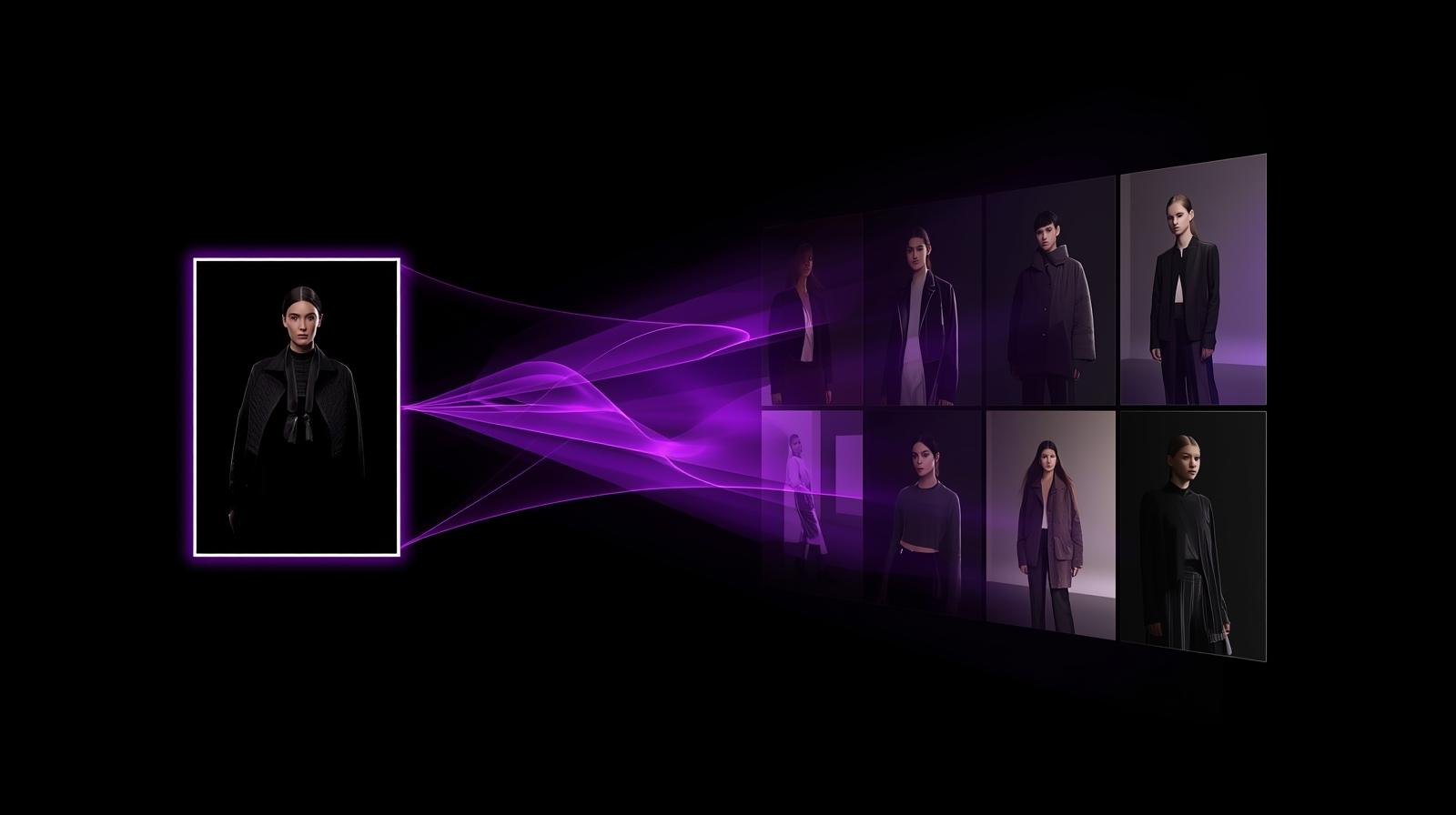
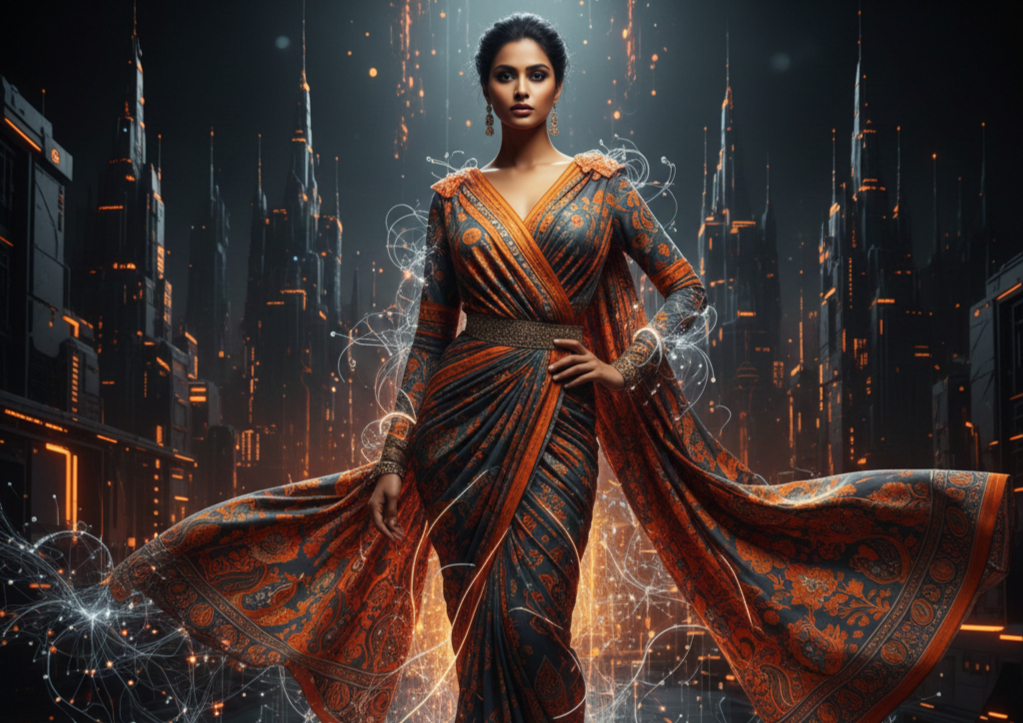
AI, or Artificial Intelligence, is transforming modern fashion design by helping computers think, analyze, and create in ways that were once possible only through manual work. In fashion, AI helps turn basic ideas or fabric photos into complete clothing designs. Instead of sketching everything by hand, designers can now use smart software to instantly visualize dresses, kurtis, sarees, or any outfit using digital technology. This makes designing faster, easier, and more accurate, especially when working with complex textiles.
Platforms like Tameta Textile AI bring this advanced technology directly to boutique designers, fabric sellers, and small businesses, allowing them to create fashion designs in minutes.
1. What Is Fashion Design Software and How Does It Work?
Fashion design software is a digital tool that helps designers create clothing designs on a computer instead of drawing manually. When you upload a fabric photo, the software analyzes the fabric’s texture, colors, patterns, and layout. AI then applies the fabric to different clothing templates such as gowns, kurtis, tunics, or blouses.
This process saves time, reduces design effort, and produces highly realistic visualizations.
How It Works Step-by-Step
-
You upload a fabric photo
-
AI reads its colors, patterns, borders, and motifs
-
The software automatically places the fabric onto a top, dress, kurta, saree, or other outfit
-
You instantly get multiple design previews
-
You choose the style you like and generate more variations
Why It Matters for Fast Markets
In regions where seasonal or festival demand changes quickly, such as during monsoon or Diwali rush periods, designers and online boutiques need fast turnaround. AI tools allow them to create dozens of designs instantly and showcase new collections without waiting for samples or photoshoots.
How Textile AI Tools Support Real Designers
Fashion design software
Tools like Tameta Textile AI allow designers to upload fabric photos and instantly visualize them on different clothing styles. This is faster than traditional sketching and sampling, especially for boutique stores and fabric markets.
AI fashion design
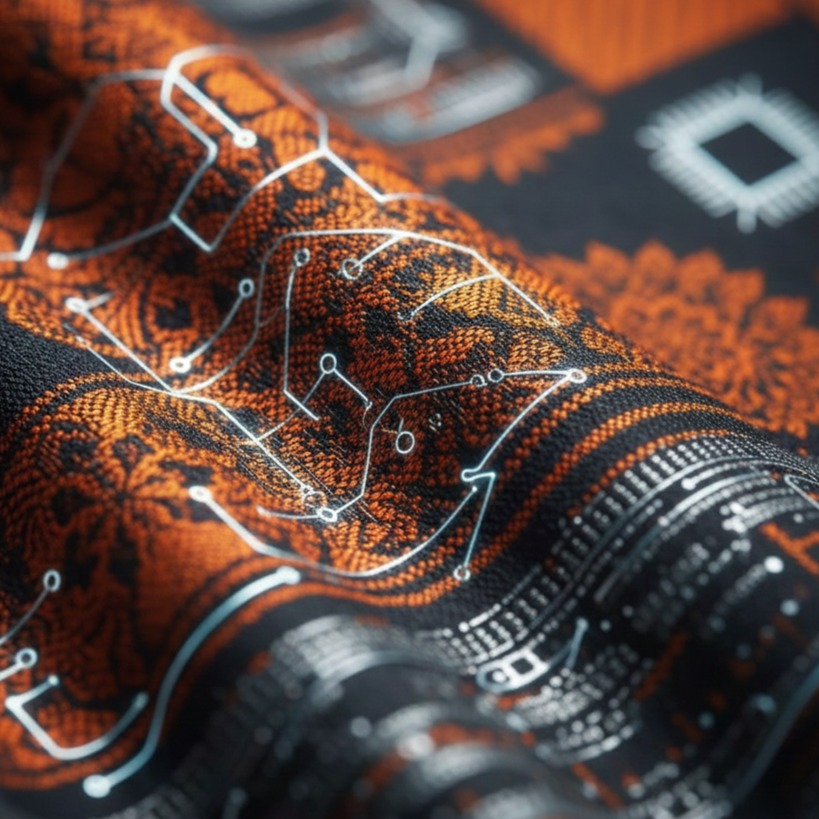
AI automatically detects fabric colors, motifs, repeats, borders, and adjusts them into accurate garment templates. It works the same way UPI automates payments you upload once, and the system does the rest.
Fashion design tools
These tools offer editing features such as motif scaling, pattern repeating, panel adjustments, and color matching. They work well with local textile varieties like bandhani, block prints, patola motifs, block prints, digital florals, or rayon fabrics.
Real Example: How AI Helps Small Designers
A textile seller in Surat used Tameta Textile AI to upload photos of his handwoven fabrics. Instantly, he could see digital previews of sarees, salwar suits, gowns, and kurtis made using the same fabric.
He started showing these AI-generated designs to customers on WhatsApp and social media.
This helped him:
-
Sell fabrics faster
-
Reduce sampling costs
-
Present more ideas without hiring a professional designer
-
Build trust by showing customers “final look” previews
This is how AI helps small businesses compete with large fashion houses.
Tips for Getting Best Results
Tip 1: Start with one clear fabric photo
Before uploading big batches, test the system with a single clear fabric image. This helps you understand how AI reads details.
Tip 2: Use natural lighting when taking fabric photos
Clear texture and pattern capture lead to cleaner outputs.
Tip 3: Explore multiple garment categories
Tameta Textile AI supports gowns, kurtis, tops, male shirts, frocks, saree concepts, and more.
Tip 4: Use regional fabric styles
Some AI platforms offer libraries of traditional fabrics, making it easier to design outfits suitable for local tastes.
Why Fast Design Matters for Today’s Fashion Market
Faster design means faster sales.
In markets where trends change quickly, being able to create 20–50 new designs in one day instead of one week can double or triple business opportunities.
This matters especially during:
-
Festivals
-
Wedding seasons
-
Monsoon launches
-
Summer collections
-
Wholesale fabric releases
-
Boutique ready-made drops
AI minimizes delays and helps designers supply fresh ideas on demand.
According to Statista (2024), small fashion businesses using digital design tools have increased their productivity by over 30 percent in just two years.
AI-based tools like Tameta Textile AI are a major reason behind this growth, simplifying textile visualization, reducing manual workload, and enabling rapid catalog creation.
2. How AI Fashion Design Makes Fabric Photos Ready for Clothing
When you take a photo of fabric, AI fashion design software uses algorithms to understand textures, patterns, and colors. Then, the software maps these onto clothing templates like kurtas, lehengas, or shirts.
This automation removes the need for manual editing or hiring sketch artists, which is helpful for busy designers in places like Jaipur or Chennai. Now, you can experiment with styles and fabric combos digitally and show your customers instant results.
- Fashion design software : The software has pattern recognition which can comfortably work with complex Indian prints like bandhani or ikat fabrics.
- Fabric design software : This software helps Indian designers convert fabric photos into repeatable patterns, useful for block printing or screen printing businesses.
- Clothing design software : Automatically fits fabric on garment templates, reducing guesswork, especially in custom tailoring shops in tier-2 cities.
Example: A boutique owner in Lucknow used AI fashion design app features to upload chikankari fabric pictures and instantly generate multiple dress designs. This helped her quickly respond to customer requests during Eid sales.
Tip: Use high-quality fabric photos with good lighting for the best results.
Note: Many fashion design tools allow you to adjust scale and placement after the AI processes your fabric.
Remember: The more you practice, the better you get at using these apps for client pitches.
Quote: "Instant design previews save days and delight customers."
According to India Brand Equity Foundation (2023), over 40% of Indian textile businesses adopted digital design methods last year to meet growing domestic demand.
3. Benefits of Digital Fashion Design in Busy Indian Markets
Digital fashion design helps small businesses and store managers handle the pressure of fast fashion needs. AI fashion design tools reduce manual errors, save costs on paper and fabric samples, and speed up decision-making.
In India, where festival sales like Diwali or Navratri bring sudden spikes, being able to make quick changes digitally means you can adapt to tastes instantly and offer customized designs.
- Fashion design software : Reduces wastage by allowing virtual try-ons before cutting fabric, a big help for local tailors controlling costs.
- Fashion technology : Makes it easier for designers from small towns to showcase their work online with digital prototypes.
- Fashion illustration software : Empowers you to create neat sketches without drawing skills, helping in communicating design ideas to customers.
Example: A designer from Kochi used digital fashion design tools to prepare a Navratri collection without physical samples, enabling online sales with expected delivery dates faster than traditional methods.
Tip: Plan your festive collections using digital previews to adjust quickly to trend changes.
Note: Virtual designs reduce your inventory risks by helping forecast demand.
Remember: Digital tools bridge the gap between city designers and small-town customers.
Quote: "Digital design is like having a tailor in your pocket."
According to McKinsey India (2023), digital adoption helped Indian apparel SMEs reduce design-to-market time by 25%.
4. Exploring Fashion Design Apps for Mobile Use
Fashion design apps are mobile-friendly tools that let you create, edit, and share designs right from your phone or tablet. In India, where many customers and sellers prefer mobile platforms, these apps make fashion design more accessible.
Whether you run a small boutique in Hyderabad or you are a home-based fashion seller in Lucknow, you can use these apps to upload fabric photos and instantly create finished designs on the go.
- Fashion design app : Apps allow you to use AI features even with limited technical knowledge, perfect for local businesses.
- Textile design software : Apps specifically for textile pattern design let you customize prints for regional markets with ease.
- 3d fashion design : Some apps include 3D previews letting you see how a design looks on a virtual model, improving buyer confidence.
Example: An entrepreneur in Jaipur used a 3D fashion design app on her tablet to design wedding lehengas from her fabric photos. The 3D preview helped customers pick sizes confidently before ordering.
Tip: Always update your app to access the latest AI features and fabric libraries.
Note: Many apps support export options compatible with ecommerce integrations for smooth order processing.
Remember: Mobile design apps shrink the distance between idea and ready product.
Quote: "Design swiftly, sell widely right from your mobile."
BrightEdge India data (2024) shows 60% of fashion designers in India now use mobile apps for at least some design tasks.
5. Using Clothing Design Software to Customize Indian Styles
Clothing design software lets you tailor traditional Indian outfits using AI. Whether it is an embroidered sherwani or a printed saree, the software helps you customize every detail from neckline to sleeve style.
This kind of software especially benefits Indian small businesses that focus on made-to-order fashion. It helps maintain quality while offering your customers many options without extra effort.
- Clothing design software : Enables detailed customization, helping you create unique local styles that appeal to regional customers.
- Fashion design tools : Assist in fabric-to-garment visualization, improving fit and reducing returns.
- Fashion technology : Integrates GST-compliant invoicing and COD settings to ease your sales process.
Example: A tailor in Chennai used clothing design software to customize silk saree blouses for customers. By visualizing designs digitally, he avoided costly fitting errors and expanded his clientele.
Tip: Use software that supports local languages for easy use by regional tailors.
Note: Make sure your software integrates with your online payment methods like UPI or COD.
Remember: Customization increases customer satisfaction and repeat business.
Quote: "Every detail counts in Indian fashion, and software lets you perfect it."
According to the India Brand Equity Foundation (2023), made-to-order apparel businesses grew 20% due to digital design tools improving customization.
6. Enhancing Creativity with Fashion Illustration and Textile Design Software
Fashion illustration software helps you draw, color, and shade your design ideas digitally. Textile design software lets you create patterns and textures for fabrics.
Combining these helps Indian designers bring intricate art forms like Madhubani or Kalamkari into modern clothes quickly. It boosts creativity and speeds production, crucial for catering to regional festival demands.
- Fashion illustration software : Provides easy-to-use digital brushes and tools ideal for Indian motifs and embroidery styles.
- Textile design software : Lets you create textile repeats and colorways, simplifying collaboration with local fabric printers.
- Fashion design software : Coordinates illustration and textile designs, making the whole process seamless for faster delivery.
Example: A Pune-based designer used illustration software to create digital prints inspired by local art. With textile design tools, she adapted these for fabric printing, launching new collections during Ganesh Chaturthi.
Tip: Use software that supports exporting in formats required by local printers.
Note: Combining illustration with textile design speeds up your custom checkout flow by showing true samples.
Remember: Your designs reflect local culture, so keep regional tastes in mind.
Quote: "Draw your dreams, print your passion."
Adobe India (2023) reports a 35% increase in adoption of fashion illustration tools among Indian designers focusing on ethnic wear.
7. How 3D Fashion Design Brings Your Fabric to Life
3D fashion design software lets you see how your fabric design looks on virtual models in real-time. This technology mimics how a dress or kurta fits and moves, helping you spot issues before production.
In India’s diverse markets, where fitting differs by region, 3D design helps store owners and tailors adjust styles to fit local bodies and preferences, reducing costly returns.
- 3d fashion design : Enables virtual try-ons and movement simulation, helping home-based tailors ensure perfect fits.
- Fashion technology : Supports realistic fabric textures and drapes, making online sales easier.
- Fabric design software : Works closely with 3D tools to visualize printed or woven patterns on realistic garment models.
Example: A startup in Bengaluru used 3D fashion design to offer customers virtual try-ons. Customers placing orders online appreciated seeing how fabric patterns looked dynamically, boosting sales especially during festival seasons.
Tip: Use good 3D fashion design apps compatible with ecommerce to connect instant fabric visuals with checkout options.
Note: 3D previews help educate customers unfamiliar with online fabric buying.
Remember: Visual accuracy builds trust, essential for COD-heavy markets.
Quote: "See to believe—3D designs bring fabrics to life."
McKinsey India (2023) found that brands using 3D fashion design reduced product returns by 15% due to better customer understanding.
The Future of AI and Fashion Design in India
India’s expanding market and digital growth mean AI-powered fashion design software will become even more important. Whether you run a small boutique in Kolkata or a home tailoring service in Pune, leveraging these tools can give you an edge.
By adopting AI fashion design and digital fashion design tools, you can create personalized, trendy, and high-quality designs fast and keep up with changing customer tastes, especially during festivals or wedding seasons.
Keep exploring new fashion design apps, textile design software, and 3d fashion design tools and watch your business grow smarter, faster, and more creative—right here in India.
FAQs
1: How does AI instantly turn fabric photos into fashion designs?
AI fashion design software, including tools like Tameta Textile AI, uses advanced algorithms and machine learning to analyze fabric photos and convert them into complete clothing designs within seconds. By uploading a fabric image, designers can instantly preview digital garments with accurate draping, pattern placement, and silhouette mapping. This speeds up the entire workflow from fabric selection to final design concept, allowing both professionals and hobbyists to work faster and more creatively.
2: What are the key benefits of using fashion design tools with AI features?
AI-powered fashion design tools such as Tameta Textile AI enhance creativity, reduce design time, and improve accuracy in textile visualization. They allow users to experiment digitally with different fabrics, colors, and styles without wasting materials. These tools can generate multiple garment variations, support virtual fittings, automate pattern alignment, and reduce production and sampling costs. This makes AI an essential part of modern fashion technology.
3: Can AI fashion design software be used by beginners?
Yes. Platforms like Tameta Textile AI are designed to be beginner-friendly, offering simple interfaces and easy-to-follow workflows. These tools allow newcomers to upload fabric photos, choose silhouettes, and instantly generate fashion mockups. Beginners can learn textile visualization, digital design fundamentals, and catalog creation without needing advanced technical experience or professional design skills.
4: What role does 3D fashion design play in modern fashion technology?
3D fashion design allows designers to create virtual garments, test drape and fit, and make adjustments before producing physical samples. When combined with AI systems like Tameta Textile AI, 3D design becomes more accurate and much faster. AI helps simulate real fabric behavior, automates pattern placement, and reduces the need for costly prototypes. This shortens production cycles and enhances collaboration in fashion development teams.
5: How does fabric design software integrate with other fashion technology tools?
Fabric design software connects seamlessly with clothing design tools, 3D fashion platforms, and AI-based catalog generators like Tameta Textile AI. This integration enables real-time editing, virtual garment visualization, and accurate textile simulations across the entire workflow. Designers can move from fabric creation to full outfit generation and digital fitting without switching systems, making the entire design process smoother, faster, and more efficient.
Conclusion
Embracing AI-driven fashion design software signifies a transformative shift in the industry, merging technology with creativity. By instantly converting fabric photos into detailed digital designs, these tools drastically reduce development time and costs, allowing designers to iterate rapidly and refine their visions with precision. The integration of AI in digital fashion design fosters innovation in textile development, 3D visualization, and sustainable practices, making fashion more efficient and eco-friendly. Whether you're a seasoned designer or a newcomer, adopting these advanced fashion technology solutions unlocks new possibilities and elevates your creative potential. To stay competitive, embrace these tools today, explore their features, and incorporate AI-driven workflows into your design process for a smarter, more dynamic future in fashion.