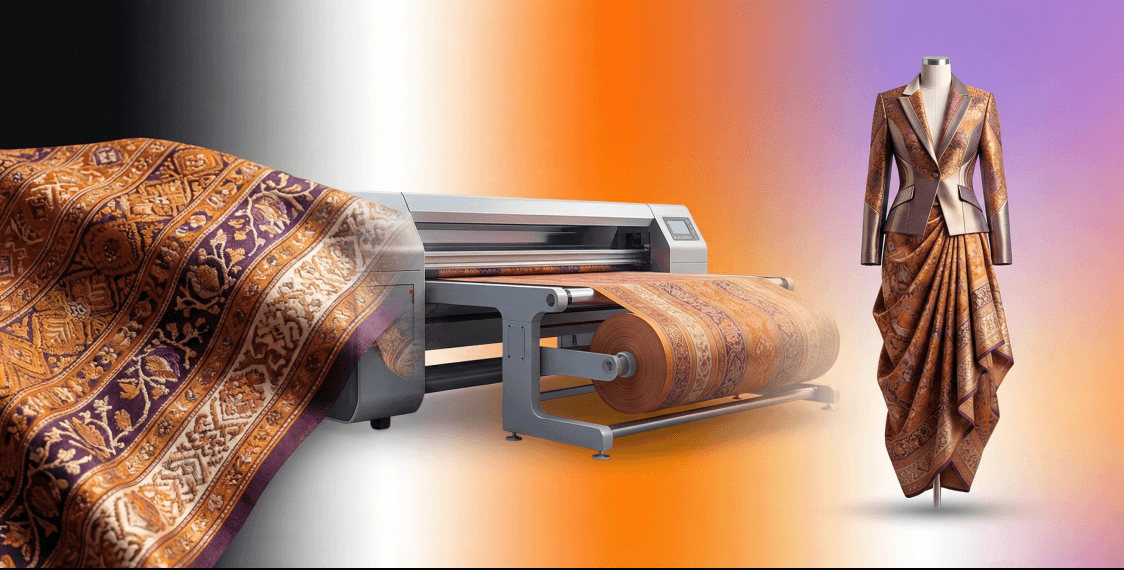
How AI Can Generate 100+ Pattern Variations Instantly
Introduction
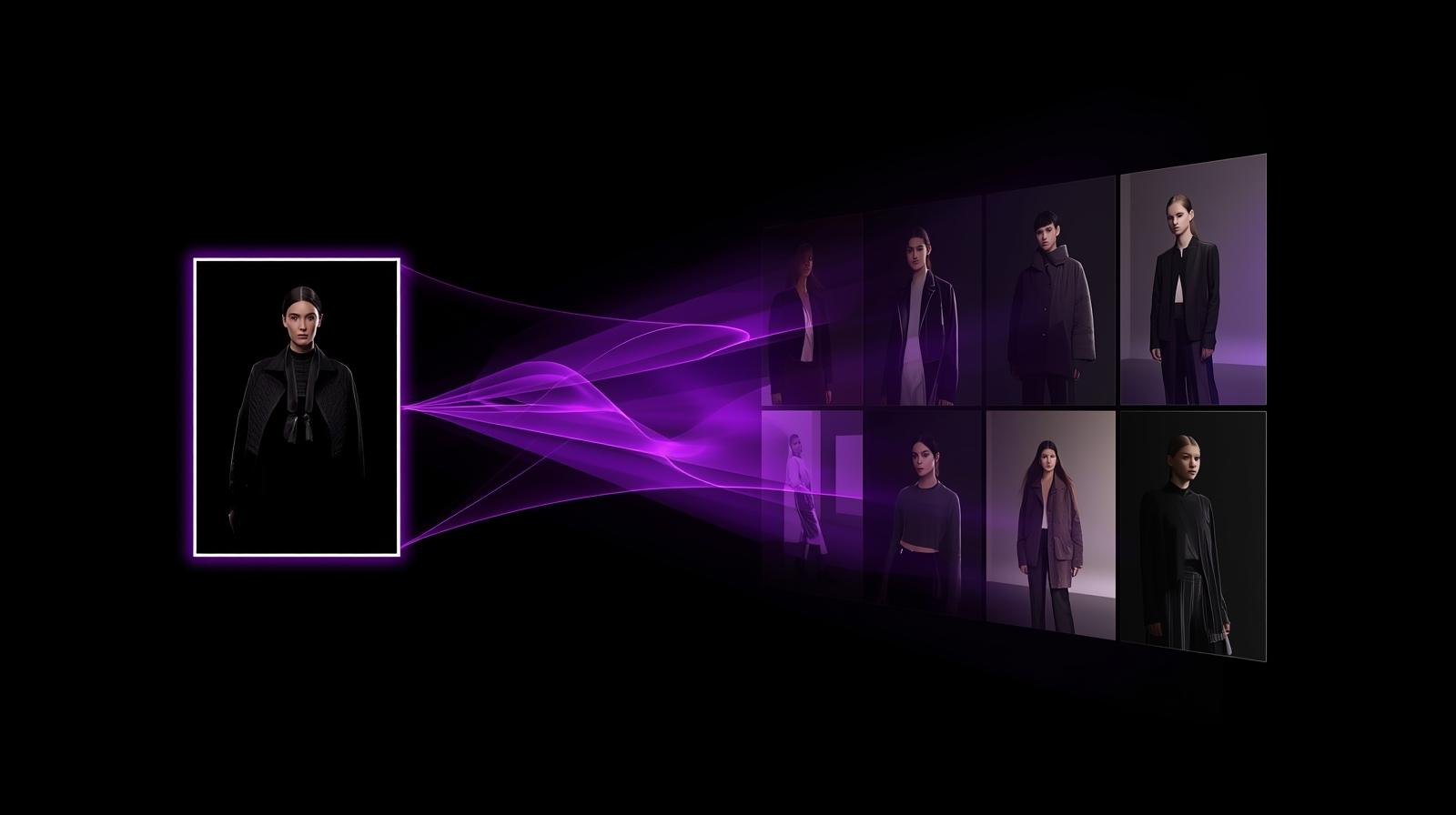
Pattern creation is one of the most time-consuming stages in textile and fashion design. Every print collection requires multiple colorways, layouts, motif adjustments, border placements, and tile variations. Designers often spend hours refining a single pattern, and producing 20 or 30 variations manually can take days. Textile ai has transformed this workflow by automating the entire variation pipeline. With just one input image or artwork, AI can generate more than one hundred pattern variations instantly, maintaining consistency, quality, and industry-standard layout rules.
Understanding the Core Technology Behind Textile AI
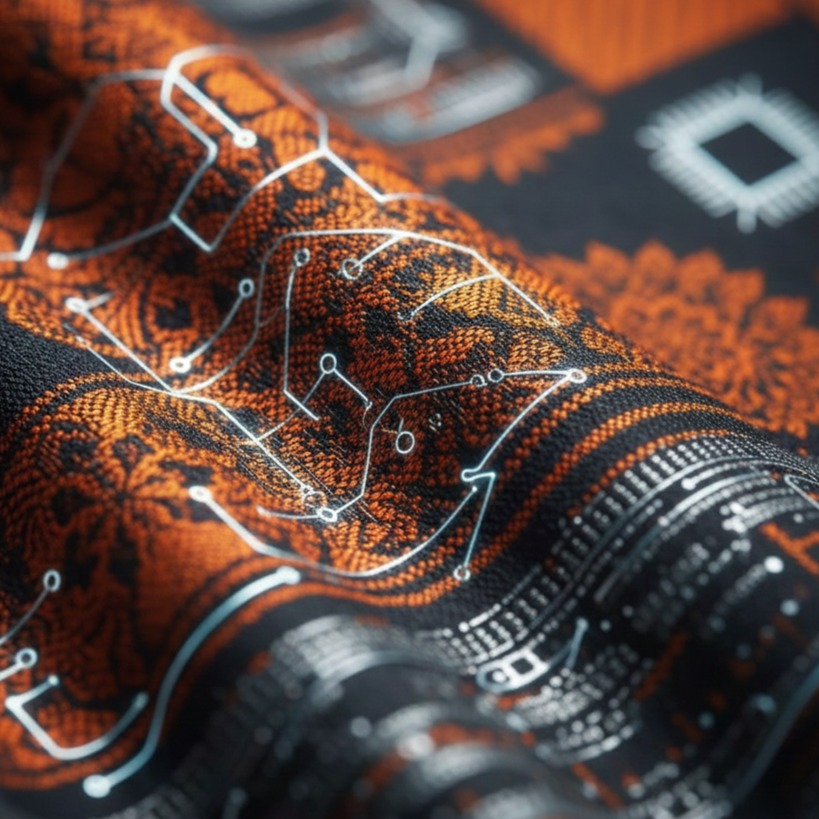
Textile ai uses trained neural networks that understand the structure of fabrics, motifs, artwork density, and pattern repetition rules. These models are trained on vast datasets of textile prints, helping them identify how patterns are arranged, balanced, and repeated. Because the AI understands fabric behavior, it can generate pattern variations that are not only visually appealing but also ready for production.
The Technical Breakdown: How AI Produces Hundreds of Variations
Motif Identification
The first step in pattern generation is recognizing the motifs in the artwork. Textile ai isolates florals, shapes, lines, borders, or abstract elements and prepares them for recomposition. This allows the system to create new designs without altering the character of the original artwork.
Tile Reconstruction
AI automatically forms new tiles, using techniques such as straight repeats, brick repeats, half drops, mirrored repeats, cluster repeats, and spaced layouts. Each tile style leads to a distinct pattern, significantly expanding the number of possible variations.
Color Variation Expansion
Colour customisation is one of the strongest aspects of textile ai.
The AI can generate:
-
tonal palettes
-
pastel variants
-
high-contrast palettes
-
seasonal fashion colors
-
monochrome versions
-
gradient-based color blends
With each color set applied to multiple pattern structures, the number of variations grows exponentially.
Border and Motif Placement Adjustments
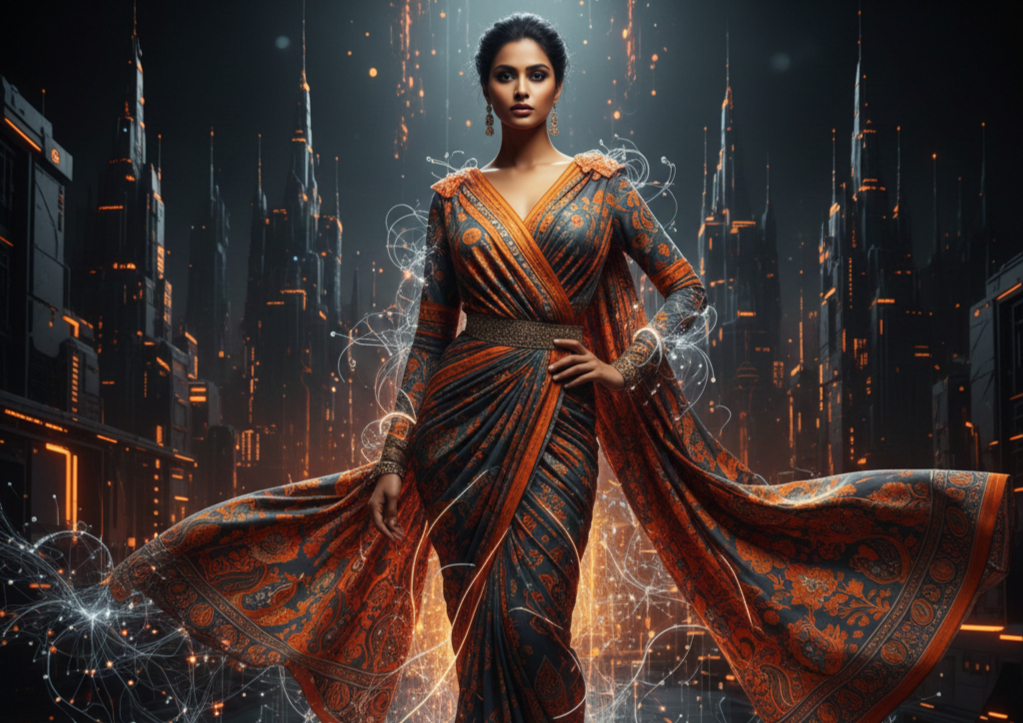
For ethnic prints, saree borders, kurti panels, and embroidered-style layouts, textile ai can adjust borders and motifs with precision. It ensures consistency while creating new arrangements and pattern flows.
Density Control
AI can create:
-
extremely dense patterns
-
medium-density layouts
-
minimal scattered prints
Each density level generates more unique variations suitable for different apparel types.
High-Resolution Output Generation
Every variation is prepared in print-ready resolution, ensuring that the patterns can move directly into fabric printing, catalog design, or digital mockups.
Why Textile AI Is a Game Changer for Designers
Speed
A task that once took hours can now be completed in seconds. Instead of manually designing many variations, designers can focus on choosing the best ones and refining only the final selections.
Cost Efficiency
Without the need for manual editing or design outsourcing, businesses save money while increasing output. Freelance designers and boutique brands can scale their design production without hiring additional resources.
Creative Freedom
AI removes the fear of experimentation. Designers can try different motifs, colors, shapes, and layouts without worrying about time or fabric wastage.
Consistency in Results
AI-generated patterns maintain the proportion, motif clarity, and layout balance across all variations. This ensures professional-grade output for large collections.
Accessibility
Platforms like Tameta Textile AI make advanced pattern generation affordable and easy to use. Even designers without advanced software knowledge can generate large collections instantly.
How Textile AI Benefits Boutique Brands, Print Shops, and Fabric Sellers
Boutique designers use pattern variations for collections, theme-based dress designs, or custom prints.
Print shops use AI to generate quick sample sets for clients.
Fabric sellers rely on large pattern variation sets to increase catalog size without hiring extra designers.
With textile ai, even small businesses can compete with production houses by offering larger, more diverse, and more visually appealing print libraries.
FAQ
1. How does textile AI create so many pattern variations so quickly?
Textile AI identifies motifs, extracts pattern structures, rearranges elements, and applies new color palettes automatically. Because the process is algorithmic, the system can create dozens or even hundreds of variations within seconds.
2. Are AI-generated patterns suitable for real fabric printing?
Yes. Most textile AI platforms generate high-resolution, seamless patterns that can be used directly for sublimation, block printing, digital printing, or fabric production without manual editing.
3. Do designers need technical knowledge to use textile AI?
No. Textile AI tools are designed to be simple and beginner-friendly. Designers only need to upload a base fabric, artwork, or pattern reference and select the style they want.
4. Can AI recreate hand-drawn or artisan-style patterns?
Yes. Textile AI can transform hand-drawn elements, block print styles, embroidery-inspired motifs, and traditional artwork into clean, seamless pattern variations.
5. How affordable are AI pattern tools for small designers?
Platforms like Tameta Textile AI use a credit-based model, allowing designers to pay only for what they generate. This makes the technology affordable for freelancers, boutique brands, and small businesses.
6. Can AI maintain the original design style while creating variations?
Yes. The AI keeps the core identity of the artwork, such as motif style, flow, and texture, and generates new variations that feel consistent with the original theme.
7. Is it possible to generate patterns for different product types?
Yes. Textile AI supports pattern variations suitable for apparel, home décor, upholstery, accessories, and digital design products.
Conclusion
Textile ai has revolutionised the creation of pattern variations. By automating motif extraction, seamless tile generation, colour adjustments, density control, and layout optimisation, AI can produce more than one hundred pattern variations instantly. This empowers designers to produce extensive collections, experiment freely, and reduce production costs. Whether you are a boutique brand, graphic designer, or textile manufacturer, textile ai unlocks new creative possibilities that traditional workflows cannot match.