If you could turn a casual browser into a confident buyer in under 60 seconds, without a single physical fitting room, would you do it?
Why Virtual Try-On Matters Now
Online fashion is exploding, but guessing the fit is still killing your conversions and profits. Virtual try-on for fashion brands gives shoppers a realistic idea of how clothes will look and fit, directly on their screen or phone, before they ever click “Buy.” This shift is not a fad; it is fast becoming a core expectation in modern online clothing experiences.
For online clothes sellers like you, virtual try-on is not just cool tech; it is a sales, returns, and customer-loyalty engine packed into one feature. Retailers using virtual try-on report conversion lifts of around 15–30% and return reductions of 15–30%, directly impacting revenue and profit.
The New Reality of Online Clothing
The global fashion eCommerce market is worth hundreds of billions of dollars and is growing at close to double-digit rates, with online clothing sales alone projected in the hundreds of billions. At the same time, more than 60% of fashion purchases are now made on mobile devices, which means your customer is scrolling, tapping, and deciding within seconds.
In this crowded, mobile-first landscape, “flat photos + size chart” is no longer enough. Shoppers want virtual fashion experiences where they can see outfits on themselves or a realistic avatar, rotate views, and compare sizes visually before committing. If you do not offer this, they can easily click to a competitor who does.
“The brands winning online fashion are not just selling clothes; they are selling confidence before checkout.”
What Is Virtual Try-On for Fashion Brands?
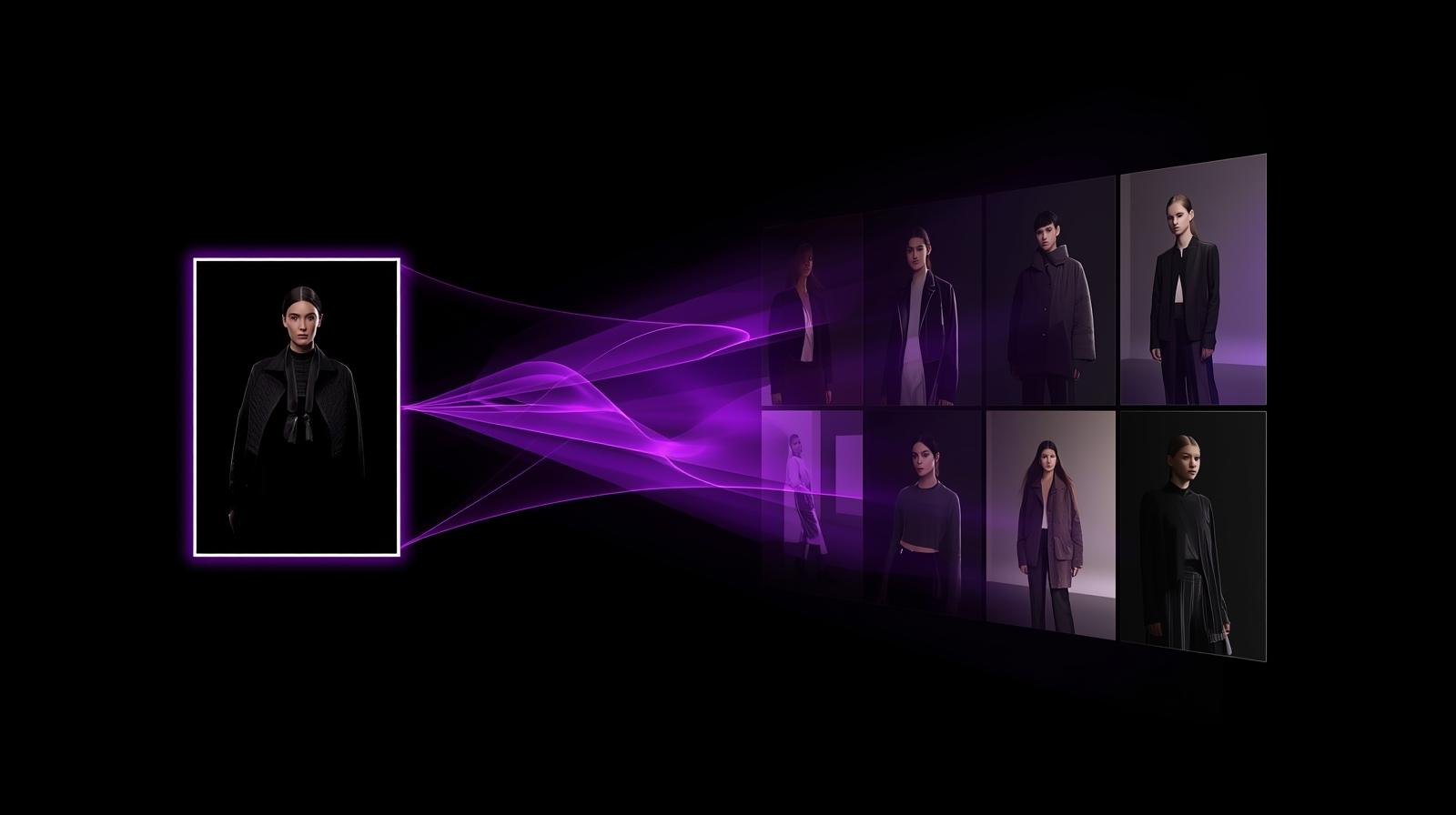
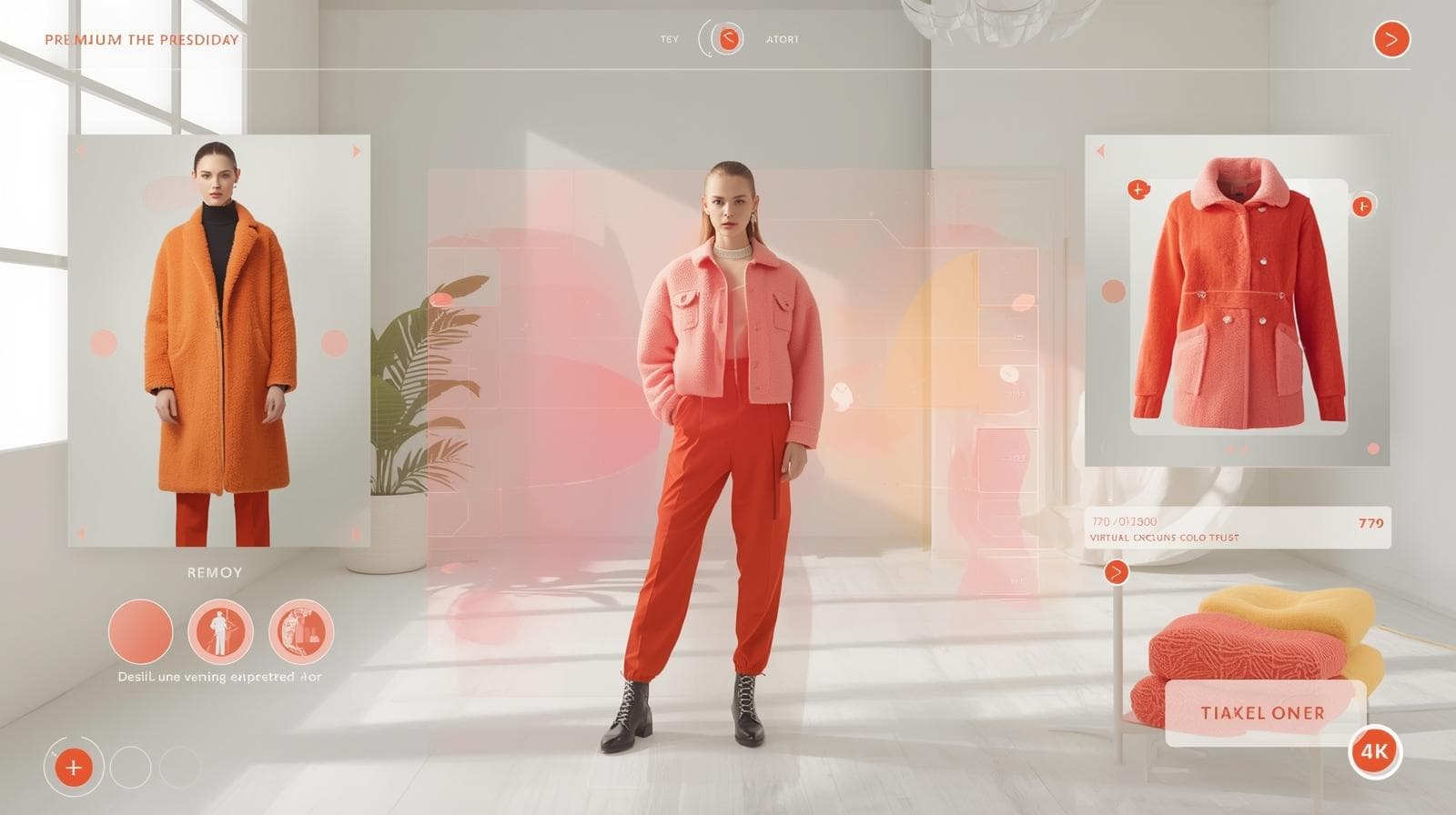
Virtual try-on for fashion brands uses technologies like augmented reality (AR), artificial intelligence (AI), and 3D modeling to let customers “wear” garments digitally on their body, face, or avatar. Instead of imagining how a dress, hoodie, or jacket will look, your customer sees it in real time on their screen with realistic size, drape, and color.
This virtual fashion layer can work in three main ways for online clothing:
- Overlay on live camera or photo (AR on a phone).
- 3D avatar based on body measurements or body-scan data.
- Mix-and-match outfit builders where users try several items together virtually.
For you as an online clothes seller, the key point is simple: virtual try-on reduces uncertainty. Less doubt about fit and style means fewer abandoned carts and fewer angry “it didn’t fit” returns.
Why Your Customers Crave Virtual Try-On
Shoppers today do not only compare prices; they compare experiences. Research shows that virtual try-on:
- Increases purchase confidence by around 25–45%, because customers better understand size, color, and fit.
- Boosts conversions by up to 30%, as hesitant browsers become sure buyers.
- Cuts returns by roughly 15–30%, especially for size- and fit-related issues.
Think about your own store: if you could reduce returns by even 15% and push conversion up by 10–20%, the impact on profit would be massive. This is exactly what well-implemented virtual try-on for fashion brands is delivering today.
Note
Virtual try-on is not only for big players. Cloud tools and third-party platforms now make it accessible for small and mid-size online clothing sellers as well.
From Fabric to Fitting: How Virtual Try-On Works
Behind the scenes, several technologies power virtual fashion experiences:
- AR overlays the garment onto a user’s image in real time.
- AI analyzes body shape, pose, and background to align clothing accurately.
- 3D scanning and mapping create realistic garment models, including folds and drape.
When your customer uploads a photo, turns on their camera, or uses an avatar, the system maps clothing to their body, allowing them to see how a T-shirt sits on the shoulders or how a dress falls at the knees. This brings the fitting-room experience into the phone.
Remember
The more accurate your product data (size specs, fabric type, fit notes), the more realistic and trustworthy your virtual try-on experience will be.
Business Impact: Numbers You Cannot Ignore
If you are wondering whether this is really worth the effort, look at the statistics:
- Fashion retailers using virtual try-on report up to a 30% increase in conversion rates.
- Returns can drop by 20–30%, especially for size-related issues.
- Some implementations recover their technology costs in about 9–15 months just from return reductions.
- AR fashion try-ons have been linked to return rate cuts in the range of 25–40% in some cases.
For a store processing hundreds or thousands of orders a month, this can translate into savings of millions annually in reduced returns and increased lifetime value.
Tip
When you pitch this internally or to partners, always translate percentages into real numbers: “A 20% drop in returns means X fewer returned orders and Y saved on shipping and processing each month.”
Where Virtual Try-On Fits in Your Customer Journey
To get the most out of virtual try-on for fashion brands, treat it as a strategic part of your funnel, not a gimmick.
Key touchpoints where you can integrate virtual try-on:
- Product pages for best-selling categories like dresses, tops, outerwear, and shoes.
- Category landing pages focused on fit-sensitive items (jeans, sportswear, formal wear).
- Email and retargeting campaigns that invite users back to “try before you buy – virtually.”
By placing virtual try-on features exactly where hesitation is highest, you help the shopper move from “maybe later” to “add to cart” in one step.
Segment 1: Small Boutique Online Stores
If you run a boutique or niche online clothing brand, your challenges are often:
- Limited marketing budget.
- High competition from big platforms.
- High impact from every return or bad review.
Virtual fashion tools can give you a premium, innovative feel without needing huge budgets. Many SaaS providers offer:
- Plug-and-play virtual fitting room widgets.
- Simple photo-based or avatar-based try-on with minimal coding.
Action Steps for Boutiques
- Start with one high-margin category (e.g., dresses or jackets) and enable virtual try-on there first.
- Collect feedback from your existing customers via email or post-purchase surveys.
- Use testimonials like “I loved trying outfits virtually before buying” on your product pages and ads to build trust.
Quote: “You do not need a giant tech team; you need one great digital fitting room where your customers feel at home.”
Segment 2: Growing D2C and Marketplace Sellers
If you are scaling on your own site plus marketplaces, you face different pressures:
- You want higher average order values and repeat purchases.
- You must differentiate from dozens of similar-looking sellers.
Virtual try-on for fashion brands at this stage is about loyalty and upsell:
- Combining virtual try-on with recommendation engines can raise cross-selling success and unplanned purchases significantly.
- Better fit confidence leads to more repeat orders and improved customer lifetime value, which some studies put at 18–30% higher after AI-driven upgrades.
Tip
Highlight “Try it virtually before you buy” as a USP in your ads, marketplace descriptions, and social media bio. This alone can improve click-throughs and engagement.
Segment 3: Established and Enterprise-Level Fashion Brands
Larger brands and retailers are already experimenting with advanced virtual fashion tools:
- Full 3D collections for digital showrooms and lookbooks.
- Body-scanning kiosks or in-store AR mirrors linked to their online accounts.
For this group, the future is omnichannel: the same virtual profile and fitting history works in-store, on web, and in app. Even if you are not there yet, you can borrow the best ideas and scale them down to your store.
Remember
What big brands do today often becomes basic customer expectation tomorrow. Starting small now prepares you for that shift.
Practical Implementation: How to Start
You do not need to build everything from scratch. Here is a simple roadmap tailored to online clothes sellers:
- Choose Your Goal First
Decide whether your priority is higher conversion, fewer returns, or stronger differentiation. The type of solution and metrics you track will depend on this. - Pick the Right Virtual Try-On Type
- Photo-based try-on: quicker to set up, good for accessories and tops.
- AR live camera: more immersive, ideal for mobile-first fashion shoppers.
- Avatar-based: best if fit and size accuracy is your biggest pain point.
- Integrate on Your Key Product Pages
Start with your top 50–100 SKUs by traffic or sales and integrate virtual try-on directly on those pages. - Track the Right Metrics
Monitor conversion rate, return rate, and time spent on page for items with virtual try-on compared to similar items without it. - Iterate Based on Real Customer Feedback
Ask users, “Was this virtual fitting helpful?” and tweak images, instructions, and size guidance accordingly.
Tip
Add a simple guide near the virtual try-on button: “For best results, stand one meter from the camera in good light” or “Upload a full-body photo facing forward.” Clear instructions reduce user friction.
Content, Storytelling, and Trust Around Virtual Fashion
The feature alone will not drive adoption; your storytelling around it matters.
Ways to build trust:
- Explain how the technology works in simple language, without jargon.
- Reassure users about data and photo privacy, especially if they upload images or measurements.
- Share real statistics from your own store once you have them: “Shoppers who use our virtual fitting room are X% more likely to keep their order.”
This type of transparency makes customers feel that you respect their time and data, and positions you as a forward-thinking but trustworthy online clothing seller.
Common Mistakes to Avoid
Even good tools fail if they are used poorly. Typical mistakes include:
- Hiding the virtual try-on button below the fold or in small text.
- Not optimizing for mobile users, even though most fashion eCommerce traffic is mobile.
- Offering virtual try-on for only a few random items instead of your core categories.
Remember
Virtual try-on should be clearly visible, mobile-first, and available on the products your customers care about the most.
Future Trends: Where Virtual Try-On Is Heading
Looking ahead, virtual try-on for fashion brands will become even more powerful as AI and virtual reality improve:
- More realistic fabric physics that show stretch, transparency, and layering.
- Personalized size recommendations using purchase and return history.
- Deeper integration with social commerce and livestream shopping, which is projected to generate very large global volumes and strong conversion rates.
As v-commerce (virtual commerce) grows, shoppers will expect virtual fashion experiences as standard when buying clothes online. That means getting started now puts you ahead of the curve instead of chasing it later.
Quote: “Tomorrow’s ‘Add to Cart’ button will sit right beneath a virtual mirror.”
Action Plan: What You Should Do Next
If you are an online clothes seller ready to act, here is a clear, simple plan you can follow:
- Audit Your Store
List your top return categories and best-selling categories. These are your first candidates for virtual try-on. - Select a Virtual Try-On Partner
Compare 2–3 providers on ease of integration, mobile performance, pricing, and what data they need from you. - Launch a Pilot
Implement virtual try-on for one or two key categories for 60–90 days and track conversion, returns, and engagement. - Promote the Feature
- Add “Try it on virtually” callouts on product pages and banners.
- Mention virtual fashion and your virtual fitting room in email, social posts, and ads.
- Scale What Works
Once you see positive results, roll out virtual try-on across more categories and refine your size charts and product descriptions to match.
Note
Do not wait for a “perfect” solution. A good, well-implemented virtual try-on today will outperform a perfect solution that only arrives after your competitors have already moved.
You are not just selling clothes; you are selling the feeling a customer gets when they see themselves in that outfit and think, “Yes, this is me.” Virtual try-on for fashion brands is the bridge between your fabric and that moment of fitting-level confidence. If you start building that bridge now, your store can stand out, convert better, and keep customers coming back in an increasingly virtual fashion world.