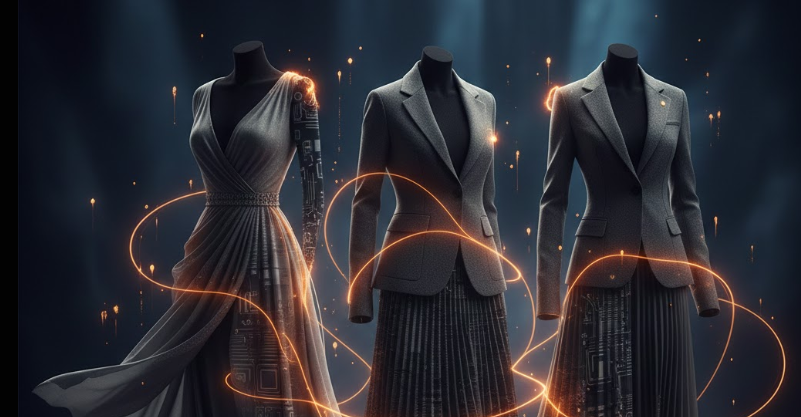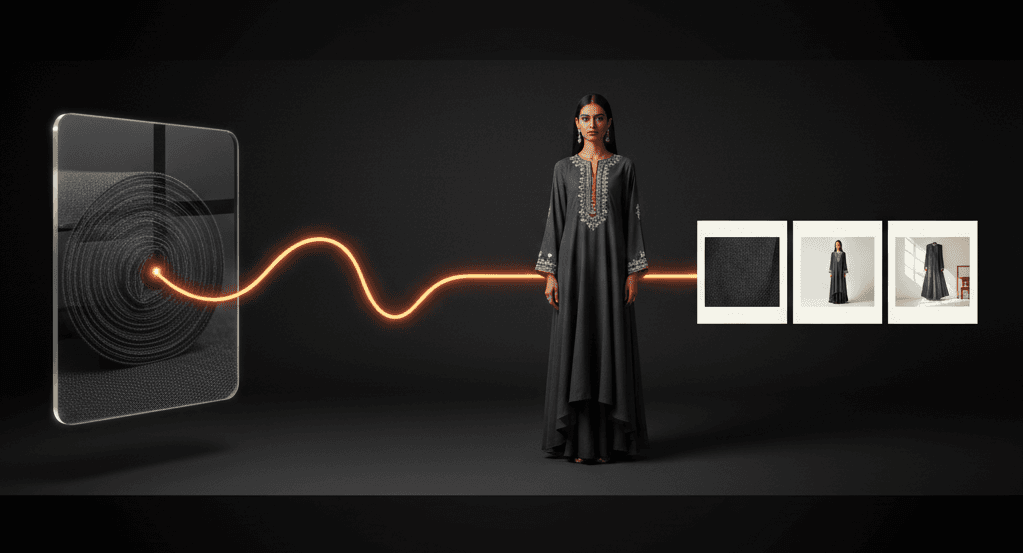
If you’re selling fabric to buyers, boutiques, exporters, or global manufacturers, you already know the biggest challenge isn’t always price or quality it's visualization. Fabric to garment design is the missing bridge between “this fabric looks good” and “I can see the final product clearly.” When buyers can instantly visualize how a fabric will look as a stitched garment, they make decisions faster, ask fewer questions, and move from inquiry to order with more confidence.
This is exactly why we created Tameta Textile AI’s Fabric-to-Garment generation service: upload one fabric image, select a garment style, and get realistic garment visuals without a photoshoot, without stitching samples for every design, and without waiting for multiple rounds of approvals.
And yes if you typed the keyword as fabric to garment desgin, we’ll still cover that exact phrase once in this blog so you can capture that search variation too (but we’ll primarily optimize for the correct form, fabric to garment design, so you can rank for both).
Fabric to Garment Design for Textile Businesses
Fabric has always been the heart of the textile industry. But the market has changed:
-
Buyers discover products online first
-
Approvals happen on WhatsApp/email/Zoom
-
Catalogs must look brand-ready
-
Sampling cycles must move faster than seasons
-
Manufacturers need fewer errors and less waste
In this new environment, fabric photos alone often don’t close deals especially for global buyers who are deciding across time zones and language barriers. They need to understand the final garment look: fall, pattern placement, scale, and overall finish.
Fabric to garment design AI solves that by converting a fabric image into a garment visualization that looks ready-to-sell.
The real problem: “We can’t imagine it stitched”
Ask any textile boutique owner or manufacturer sales team what slows deals down and you’ll hear the same pain points:
-
“Do you have stitched sample?”
-
“Can you show it on model?”
-
“How will this print look on a full kurti?”
-
“Is this fabric better for dress or co-ord?”
-
“We need approval before sampling.”
Traditional solutions are expensive:
-
stitching samples for every fabric
-
mannequins/model shoots
-
editing work + formatting
-
couriering swatches repeatedly
-
waiting for approvals that take days
AI doesn’t replace craftsmanship. It replaces delays.
How Tameta Fabric-to-Garment generation works
This service is designed to be simple enough for a boutique team and strong enough for global manufacturing workflows.
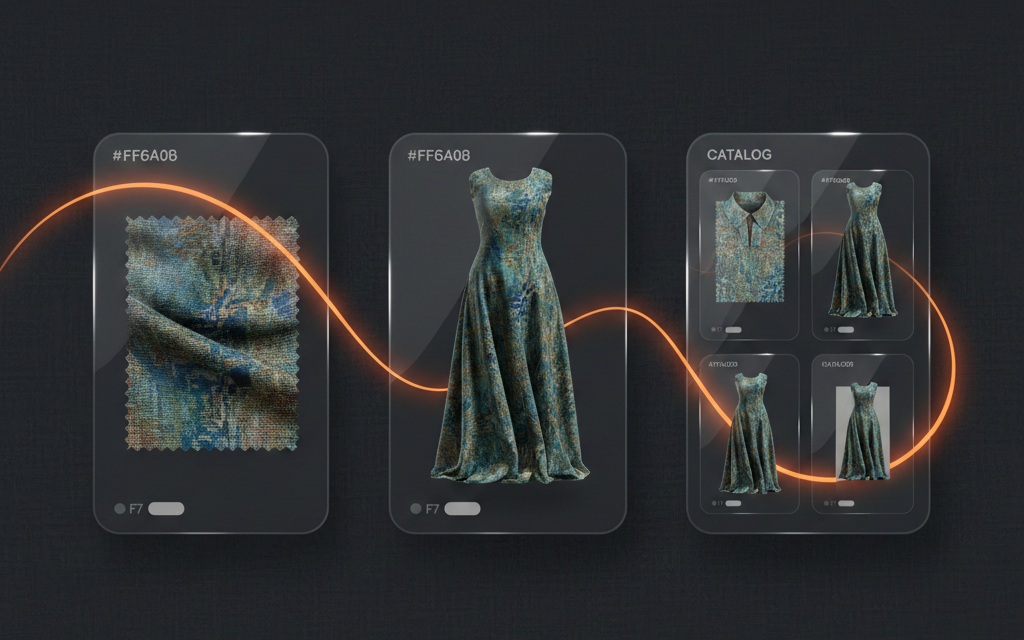
Step 1: Upload one fabric photo
You upload a clear fabric image (phone photo is fine if it’s sharp). Best results come from:
-
even lighting
-
fabric laid flat (minimal folds)
-
true color (avoid heavy filters)
-
enough visible repeat area for prints
Step 2: Select a garment style
You choose a cloth/garment style (examples: kurti, dress, shirt/top, etc.). We’re also working on more variants and default packages so sellers can generate multiple garment options from the same fabric with fewer clicks.
Step 3: Generate realistic garment visuals
The output is a garment preview that helps buyers understand:
-
scale and placement of motifs
-
overall look on a full silhouette
-
how premium the fabric appears when “worn”
-
whether the design feels casual, festive, or formal
Step 4: Use it for sales, approvals, and catalogs
These visuals can be used in:
-
WhatsApp selling
-
buyer presentations
-
export line sheets
-
ecommerce content
-
internal approval and sampling decisions
Credit policy note (important): If a generation fails, you shouldn’t lose credits for that failed output our goal is “pay for results, not errors.” For fully custom requirements, contact us on chat for pricing and we’ll set up the right catalog/visual workflow for your brand.
Why this gives “high impression” in the market
In textile selling, “high impression” means your product looks premium, clear, and purchase-ready even before physical sampling.
Fabric-only photos look like raw inventory.
Garment visuals look like a finished product story.
That difference changes buyer behavior:
-
higher response rates to outreach messages
-
more “yes, send details” replies
-
faster approvals
-
better perceived quality (even for the same fabric)
-
stronger brand positioning when selling globally
It’s the difference between showing material and showing outcome.
How manufacturers benefit worldwide
1) Faster approvals with less sampling friction
Global buyers often delay because they can’t visualize. Fabric-to-garment visuals help them shortlist faster before requesting physical swatches and samples.
This doesn’t eliminate sampling it makes sampling smarter:
-
fewer unnecessary sample requests
-
faster shortlisting
-
fewer “let’s see after stitching” delays
2) Better communication across language barriers
When you sell globally, words can be misunderstood. Visuals reduce that risk. A good garment preview becomes universal language.
3) Stronger buyer presentations and line sheets
Export buyers and B2B clients are used to seeing well-presented collections. When your visuals look like a catalog, your business feels more established even if you’re a growing manufacturer.
4) Reduced rework and wasted time in production planning
Here’s a manufacturing reality: wrong decisions early lead to waste later.
When teams can visualize the finished look earlier:
-
fewer last-minute changes
-
fewer “print too large / too busy” issues
-
fewer sampling cycles
-
faster production planning decisions
5) Supports weaving and pattern decisions with less trial-and-error
For weaving and fabric development teams, visualization can reduce guesswork:
-
quicker design approvals
-
clearer understanding of how weave/texture appears at garment scale
-
fewer repeated mock trials
-
less time spent on “make one more sample and we’ll decide”
In simple terms: you reduce hours spent on uncertain decisions and move faster toward production-ready outcomes.
Use cases that convert best
Boutique owners
-
Sell unstitched fabric by showing stitched look instantly
-
Share garment previews on WhatsApp & Instagram
-
Close custom stitching orders faster
Wholesalers and agents
-
Build quick “digital lookbooks” for buyers
-
Offer multiple garment possibilities from one fabric
-
Improve inquiry-to-order conversion
Mills and exporters
-
Present collections like finished lines
-
Speed up buyer approvals
-
Improve global outreach response rates
Print units and job workers
-
Show how prints will look on final garments
-
Reduce “trial print, then decide” loops
-
Win more B2B orders with stronger presentation
Real examples buyers understand instantly
Here are three simple examples that match real textile selling:
Example 1: Cotton floral print
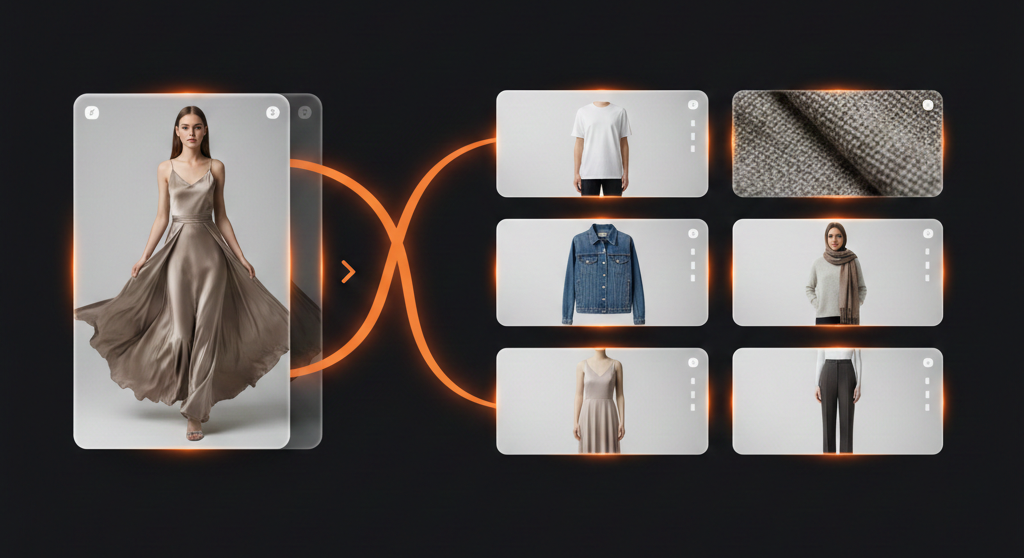
One cotton floral fabric photo can generate:
-
a casual kurti preview
-
a summer dress preview
-
a light shirt/top preview
This helps you sell the same fabric to different buyer segments: daily wear, western wear, and boutique casual lines.
Example 2: Indigo geometric / heritage-inspired print
One fabric photo can generate:
-
ethnic kurti
-
co-ord set style preview
-
festive day-wear dress preview
Buyers immediately see which product category it suits and approvals speed up.
Example 3: Premium textured or woven fabric
A woven texture can generate:
-
premium shirt preview
-
minimal dress preview
-
formal ethnic silhouette preview
This is especially powerful for export buyers who care about how texture reads in a finished silhouette.
Selling online: pairing Fabric-to-Garment with Catalog Images
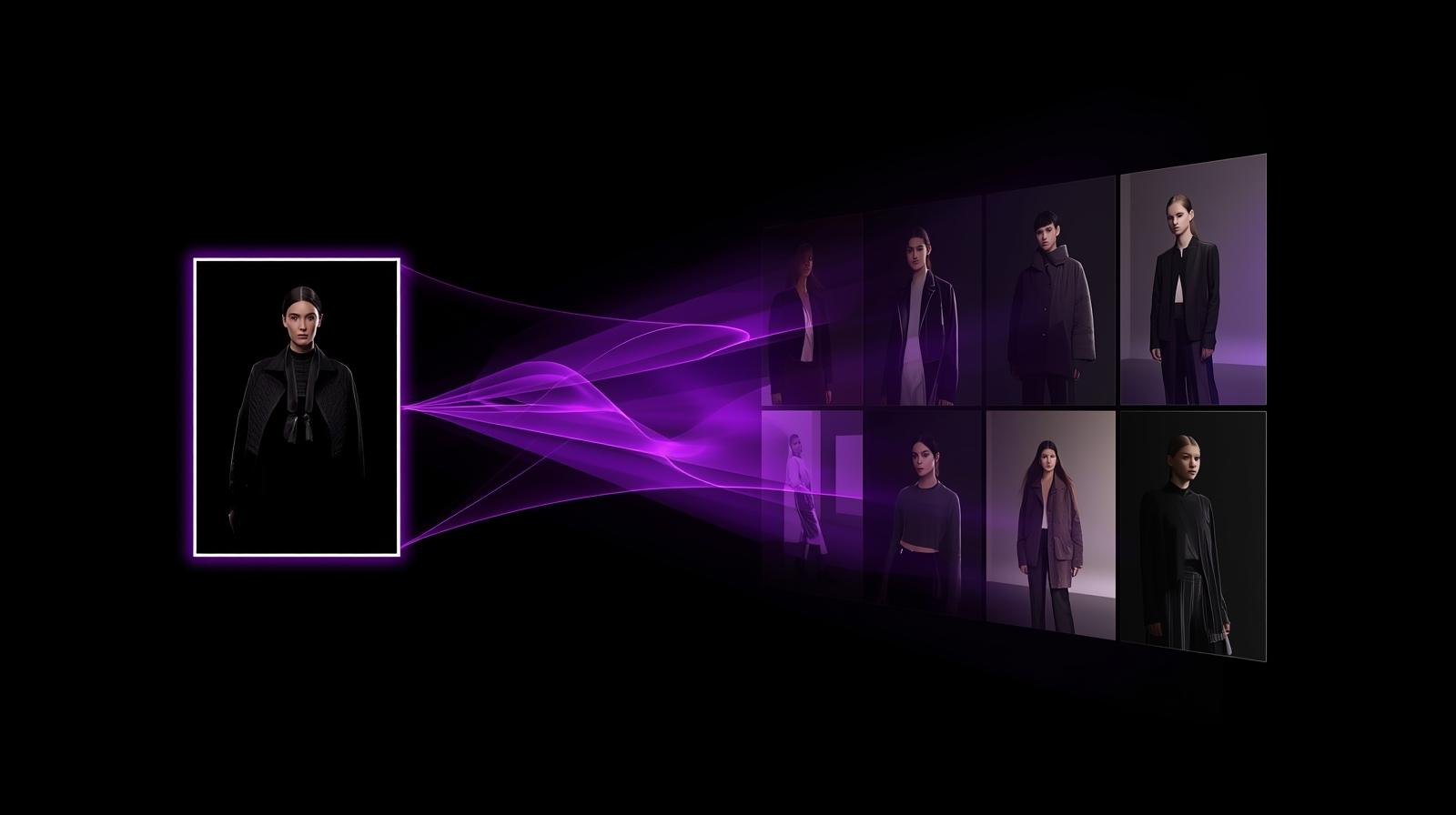
Fabric-to-Garment previews help buyers imagine stitched results. But if your goal is ecommerce, you’ll also need clean, consistent product listing images and ecommerce catalog photos.
That’s why the next step for many sellers is the AI catalog generator on Tameta.
Use it when you want:
-
consistent listing-style images
-
marketplace-ready image sets
-
faster content production for ecommerce and ads
-
a strong “brand catalog look” without a studio
Internal link you should place here (catalog section):
https://textile-ai.tameta.tech/catalogs
Conversion tips: how this actually increases orders
Google’s guidance for creators is clear: content and experiences should be helpful, reliable, and people-first built around what users truly need, not just keywords.
Your buyers “need” clarity. These practical steps turn visuals into conversions:
1) Use the “3-image proof” method in WhatsApp selling
Send buyers:
-
garment preview (main decision image)
-
close-up fabric texture (trust image)
-
alternate garment style preview (use-case image)
This reduces back-and-forth questions and speeds decisions.
2) Show scale early
Many rejections happen because prints look different at garment scale. Always include at least one preview that shows full silhouette so buyers understand motif size and density.
3) Don’t oversell show truth
Avoid unrealistic colors and heavy edits. Buyers trust you more when visuals match reality. Trust reduces returns, complaints, and negotiation friction.
4) Make outreach messages visually strong
For global buyers, first impressions matter. Use the garment visual as the first slide/image in your outreach email or WhatsApp message. Fabric-only photos can be your second image.
5) Use consistent formatting across your catalog
Consistency increases perceived professionalism. A consistent visual system makes your business look like a brand, not a random inventory list.
Learn more section (blog hub):
Industry updates section (news hub):
Selling online section (catalog generator):
Add a short author box near the top or bottom:
Author: Dhruv Kachwala Product Builder, Tameta Tech
Supported by: Rahul Mulani CEO, Tameta Tech
Then include:
-
real workflow steps (upload fabric → choose style → generate)
-
realistic use cases for manufacturers and global buyers
-
clear policies (credits not cut on failed generation; custom via chat pricing)
-
real examples (cotton floral → kurti/dress/shirt preview)
These details make your content feel experienced and real not generic.