The textile world is moving faster than ever. Buyers want quicker approvals. Ecommerce customers want clearer visuals. Marketplaces want consistent catalogs. And sellers want a workflow that doesn’t depend on photoshoots, stitched samples, or long editing cycles.
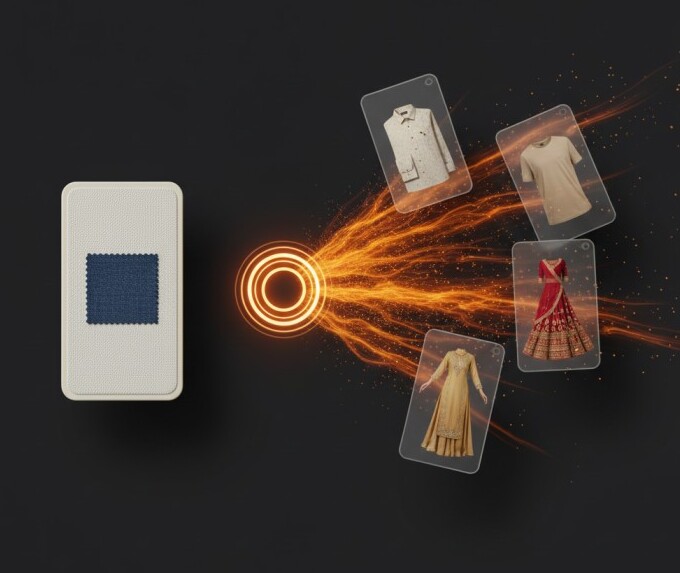
That’s exactly why Tameta Textile AI is preparing a fabric to garment package launch—a new way to go from one fabric photo to multiple ready garment visuals in a single click.
Instead of generating one preview, then repeating the same steps again and again, the new package flow is built for speed:
-
Upload one fabric
-
Choose a package (menswear / womenswear)
-
Get a one click garment preview set
-
Use outputs for AI outfit generation, catalogs, buyer approvals, and online listings
This post explains the launch concept, how it helps manufacturers and sellers globally, how it supports marketplaces like Meesho, and how it fits into the bigger future of textile AI and automated printing.
What is the fabric to garment package launch?
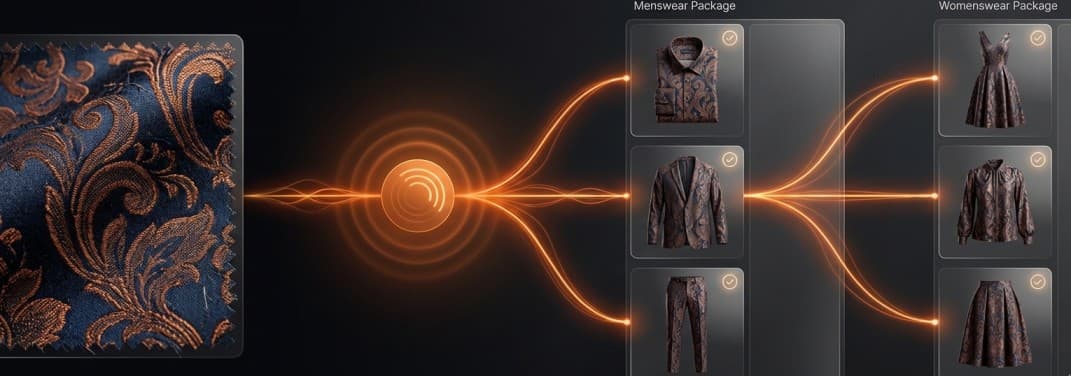
A fabric to garment package launch is the rollout of “bundled generation”—where you upload a single fabric image and generate a set of garment previews automatically based on your selected package.
Think of it like a template bundle for real business needs:
Menswear package
A package that generates visuals like:
-
shirt
-
t-shirt
-
(and more menswear variants as the feature expands)
Womenswear package
A package that generates visuals like:
-
kurti
-
lehenga
-
(and more womenswear variants over time)
The key difference is that the system outputs multiple styles together, making it true AI outfit generation from a single fabric input.
Tameta Textile AI positions itself as a platform that transforms fabric patterns into garment visuals and supports catalogs and other fashion visualization features. Tameta Textile AI+2Tameta Textile AI+2
Why “one click garment preview” matters in real textile business
In real selling, the biggest problem is not “lack of designs.” It’s the time wasted in the middle:
-
buyer can’t imagine stitched look
-
buyer needs internal approvals
-
seller keeps sending extra photos
-
sampling starts too early and repeats
-
catalog creation takes too long
A one click garment preview solves that by giving instant visual outcomes.
What buyers actually want
Whether you sell to a boutique owner in India or a B2B buyer overseas, most people want the same things:
-
“Show me how it will look as a garment”
-
“Show me more than one style”
-
“Make it easy for me to approve”
When you give multiple garment outputs instantly, you reduce hesitation and speed decisions.
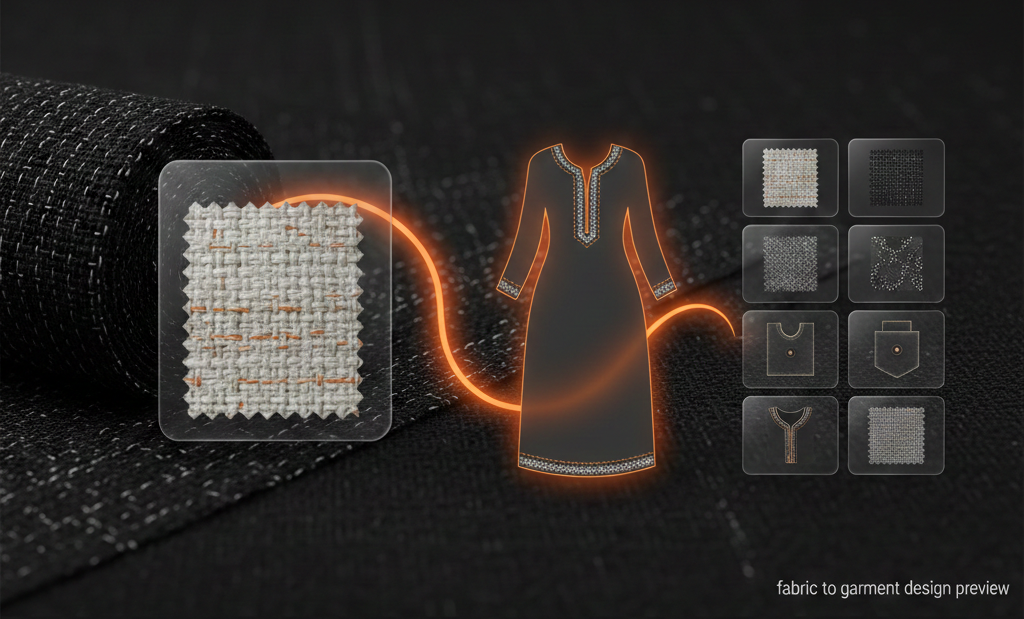
How it supports fabric to garment design
Fabric to garment design is about turning fabric into a stitched-look outcome—so people can judge the real final appearance.
A fabric swatch can look premium, but buyers often struggle to visualize:
-
motif scale on a full outfit
-
how busy the print feels on body
-
how texture reads in lighting
-
whether it suits the market segment
With package generation, you don’t show one possibility—you show multiple product directions from the same fabric.
That’s why this launch is important: it turns fabric to garment design into a repeatable production workflow, not a one-off demo.
AI outfit generation: the upgrade from “single mockup” to “full outfit story”
A single garment preview is helpful, but an AI outfit generation set is more powerful because it creates a story:
-
“This fabric works for menswear shirts.”
-
“This fabric looks great on t-shirts too.”
-
“This print can become a kurti line.”
-
“This fabric also fits festive lehenga styling.”
That story helps you sell the fabric across:
-
more buyer types
-
more product categories
-
more regions and seasons
For manufacturers and exporters, this is a major advantage: one fabric can be presented as multiple buyer-ready outcomes without making multiple stitched samples.
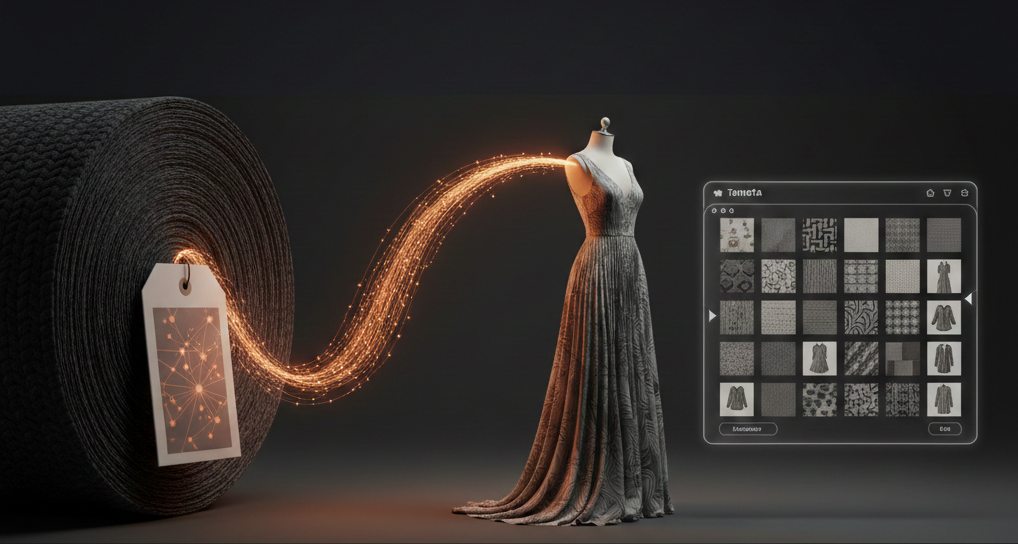
What a digital textile catalog looks like after package generation
B2B and ecommerce are both moving toward digital-first workflows. A clean digital textile catalog helps you:
-
present collections professionally
-
group fabrics into themes (summer, festive, basics)
-
reduce buyer confusion
-
share quickly over WhatsApp/email
-
speed up approvals and reorders
When you have package outputs, your catalog becomes richer:
A strong catalog entry can include:
-
fabric swatch image
-
close-up texture detail
-
4–6 garment previews from the selected package
-
notes (MOQ, width, GSM, lead time, composition)
This turns a simple inventory list into a selling tool.
Tameta’s catalog tool is designed around creating model catalogs quickly from a single garment photo and exporting them in usable formats like ZIP/PDF. Tameta Textile AI+1
Internal link you should place in your blog when you discuss catalogs:
Why textile buyer approvals become faster
Approvals delay orders. Orders delay production. Production delay means missed season and missed revenue.
The package launch helps textile buyer approvals because:
-
Buyers see stitched-look outcomes instantly
-
They can compare styles faster
-
Internal teams align faster (merchandising + sourcing)
-
Sampling requests become more targeted
-
Fewer revisions happen late in the process
Even if physical sampling is still needed later, the early-stage visualization reduces wasted cycles and speeds the “yes/no” decision.
Product listing images: ecommerce-ready from day one
If you sell online, visuals decide everything. Your listing can have the best price, but if images are unclear, conversion drops.
Package outputs support product listing images because you can generate:
-
consistent outfit visuals (clean lighting)
-
different product angles/styles (depending on package)
-
a “catalog-like” look that feels trustworthy
Then, if you need marketplace-ready catalog sets, you can build them using Tameta’s catalog generator flow. Tameta Textile AI+1
How this helps Meesho sellers: images, links, and listing workflow
Many sellers search phrases like:
-
meesho image generator
-
meesho image link generator
-
meesho image generator online
-
meesho low shipping image generator online
-
meesho low shipping image generator
Let’s handle this clearly, because it’s important:
1) Meesho “image link generator” is a real listing need
For bulk uploads, Meesho’s supplier workflow uses image links in the upload process. Their official learning hub mentions uploading images via the “Images Bulk Upload” section and copy-pasting the links for bulk listing. Meesho Supplier
So if you’re searching “meesho image link generator,” what you usually need is:
-
a reliable way to host or upload images
-
and use Meesho-supported image links for bulk listing
Best practice: use Meesho’s supplier panel tools as they’re designed for their workflow.
2) “Meesho low shipping image generator” is mostly a misunderstanding
Shipping charges are not controlled by an image generator. Shipping fees depend on Meesho’s shipping/returns setup, programs, and policy conditions. Meesho’s official shipping page explains selling with Meesho and their shipping programs (like Next Day Dispatch). Meesho Supplier
You may see creators on YouTube or social posts talk about “low shipping tricks” (often mixing image link steps with listing strategies). YouTube+1
But for a real business blog, the safe truth is:
-
Use clear, compliant images for better listing quality.
-
Use Meesho’s image upload/link workflow for bulk listing.
-
For shipping fee concerns, follow Meesho’s official seller guidance and programs. Meesho Supplier+1
3) Where Tameta fits for Meesho sellers
Tameta isn’t a “shipping fee tool.” It’s a visual engine.
It helps you generate:
-
garment visuals from fabric (package launch)
-
catalog-style visuals for ecommerce
-
consistent product listing images
Then you upload those final images into Meesho using their recommended listing tools (single upload or bulk upload). Meesho Supplier+1
Where we will get “best AI for textile design”
People also search: best ai for textile design — and it’s a fair question.
Instead of claiming “one tool is best for everyone,” the smarter SEO approach is to explain what “best” means based on use case.
If your goal is textile design creation
Look for tools that support:
-
pattern generation
-
repeat/seamless design workflows
-
colorway variations
-
print-ready outputs
If your goal is selling textiles or garments
Look for tools that support:
-
fabric to garment design
-
AI garment visualization
-
catalog generation
-
ecommerce image sets
-
export/presentation outputs (ZIP/PDF)
Tameta Textile AI positions itself as a platform covering fabric-to-garment previews and catalog generation, which makes it a strong fit for sellers, exporters, and manufacturers who need presentation + visualization. Tameta Textile AI
Internal links to support this section:
Future trends in automated fabric printing and why this launch matches the trend
Now let’s connect this launch to industry direction.
The future of textiles is moving toward:
-
digital printing
-
faster iteration cycles
-
automation across design → print → finishing
-
more personalization and short runs
Industry coverage on fabric printing trends highlights how digital printing and automation enable faster production, flexibility, and precision. ARC+1
Broader textile manufacturing discussions also point to automation and AI improving efficiency and reducing waste. TEXINTEL+1
So where does a fabric-to-garment package launch fit?
It’s a digital acceleration step for the front end of textiles:
-
design visualization
-
product presentation
-
buyer approvals
-
catalog creation
When you can visualize and present faster, you can:
-
sample smarter
-
print smarter
-
sell faster
-
reduce waste caused by late-stage changes
That’s why “package-based generation” is not just a UI feature. It’s aligned with the larger shift toward automated, faster textile workflows.
Practical workflow: how to use the package launch for real business results
Here’s a realistic workflow you can teach users (and it will convert well in SEO + product marketing):
Step 1: Capture a clean fabric image
-
flat fabric, minimal folds
-
bright even lighting
-
accurate color
-
show enough pattern area
Step 2: Choose the package
-
Menswear package for shirt/t-shirt types
-
Womenswear package for kurti/lehenga types
Step 3: Generate your output set
Your result is your AI outfit generation pack:
-
multiple garment visuals
-
consistent fabric applied (same source fabric)
Step 4: Build a digital textile catalog page/pack
Combine:
-
fabric swatch + close-up
-
the full package output set
-
your key selling info (MOQ, price, lead time)
Step 5: Use the outputs across channels
-
WhatsApp buyers (send 3–5 key images)
-
email outreach (attach PDF/ZIP)
-
ecommerce listing images (upload to store/marketplace)
Step 6: Speed up textile buyer approvals
Ask buyers to approve:
-
the fabric
-
the package silhouette
-
preferred style direction
Then move to sampling only for shortlisted winners.