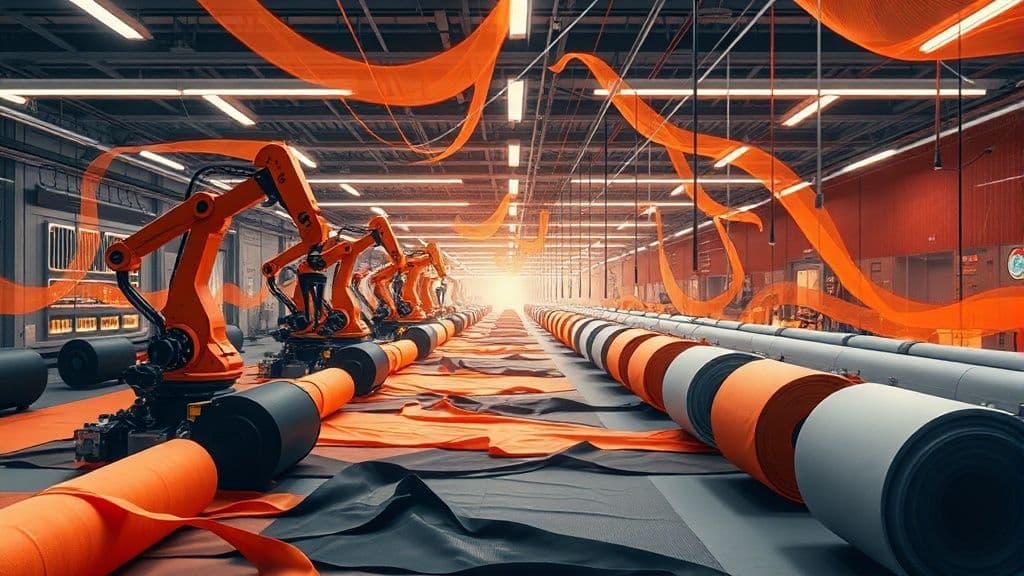
How Tameta AI Transforms Fabric Quality and Comfort Daily
Artificial intelligence is now reshaping the Indian textile industry in groundbreaking ways. One of the latest advancements comes from Tameta AI, a company applying AI in textiles to enhance fabric quality and comfort on a daily basis. Their technology drives innovations in textile manufacturing, fabric quality control, and textile comfort, providing manufacturers with tools to design smart fabrics and advanced fabric products that cater to evolving consumer demands. This melding of digital textile processes with sustainable fashion tech is setting new standards for the future of textiles worldwide.
Key Highlights
- Tameta AI integrates real-time analytics to improve fabric quality control and reduce waste during textile manufacturing.
- Uses deep learning models to predict fabric comfort levels and optimize textile comfort parameters for various applications.
- Facilitates development of smart fabrics that combine functional features such as moisture management, breathability, and durability.
- Advances sustainable fashion tech by minimizing chemical usage and energy consumption through textile automation and precise production techniques.
Why This Matters
The Indian textile sector is a significant contributor to the country’s economy as well as a major employer, engaging over 45 million workers. However, challenges such as inconsistent fabric quality, manual quality assessments, and resource-intensive manufacturing processes have hindered growth and impacted sustainability efforts. Implementing AI in textiles transforms these challenges into opportunities by enabling precise and automated fabric quality control. This not only elevates product standards but also accelerates innovation in fabric comfort and smart fabrics that meet both consumer expectations and ecological responsibilities. Tameta AI’s solutions demonstrate how technology can marry craftsmanship with digital textile methods, heralding a smarter and greener future for textile manufacturing in India.
Industry Reaction
According to Dr. Rajiv Mehta, Director of Textile Research at the Indian Institute of Technology, Delhi, “The integration of AI in textiles through companies like Tameta AI is revolutionizing our approach to fabric innovation. By automating quality control and enhancing textile comfort, manufacturers can deliver superior products consistently. This also aligns perfectly with the global push towards sustainable fashion tech, reducing waste and energy consumption.”
Future Impact
The Ministry of Textiles reports that the Indian textile industry is expected to grow to a market size of over $223 billion by 2025 (Source: IBEF). With the adoption of AI-driven solutions like Tameta AI, this growth trajectory is poised to be more sustainable and technologically advanced than ever before. Digital textile innovation will significantly contribute to lowering production costs and improving fabric performance, positioning India as a leader in textile technology worldwide. Smart fabrics driven by AI applications are also opening new market segments such as activewear, medical textiles, and performance clothing, boosting exports and domestic consumption alike.
What Readers Can Do
- Support brands and manufacturers that invest in AI-based textile technology and promote sustainable fashion tech.
- Educate themselves on smart fabrics and advanced fabric innovations by exploring resources like Tameta AI’s platform to understand how textile automation enhances comfort and quality.
- Encourage industry stakeholders to adopt AI in textiles for better quality control and eco-friendly textile manufacturing practices.